Use ChatGPT for coding

Key Takeaways
- AI shifts developers from manual coders to architects of logic, focusing on high-level design.
- Treat AI as a junior developer: demand iterative refinement, critiques, and optimization for quality.
- Provide extensive context (frameworks, dependencies, business logic) to AI for tailored, effective solutions.
- Use AI to distill complex documentation and generate practical implementation examples for new APIs.
- Selecting the correct AI model architecture is crucial for specific tech stacks and optimal performance.
Mastering the AI Workflow: How to Use ChatGPT for Coding in 2026
The landscape of software development has shifted seismically. As we navigate the technological advancements of 2026, the question is no longer whether AI can write code, but how effectively developers can integrate it into their professional workflows. To use ChatGPT for coding effectively is to transition from a manual syntax-focused developer to an architect of logic and systems. Whether you are building a complex Data Analytics Dashboard or refining the UX of a Music Player Design, AI has become the ultimate force multiplier.
In this guide, we explore the authoritative strategies for leveraging Large Language Models (LLMs) to enhance productivity, debug complex systems, and accelerate your development lifecycle.
The Evolution of AI-Assisted Development
In the early days of generative AI, developers treated tools like ChatGPT as simple “code generators.” Today, the paradigm has shifted toward “AI-pair programming.” With the current generation of models, developers can handle massive codebases with higher context awareness than ever before. However, choosing the right tool remains critical. For those debating between specific model architectures, it is essential to understand the nuances found in our analysis of chatgpt codex vs claude code to ensure you are utilizing the correct engine for your specific stack.

The integration of AI into the coding process isn’t just about speed; it’s about reducing the cognitive load required for boilerplate tasks, allowing developers to focus on high-level architecture and system integrity.

Practical Strategies to Use ChatGPT for Coding
To truly harness the power of AI, you must move beyond generic prompts. Here are the actionable strategies for professional-grade development:

1. Iterative Refinement and Code Review
Never accept the first output. When you use ChatGPT for coding, treat it as a junior developer who needs strict instructions. Ask the model to “critique the provided code for security vulnerabilities” or “optimize this function for O(n) time complexity.” By treating the AI as a peer reviewer, you maintain high standards of code quality.
2. Leveraging Context for Large Projects
AI models excel when they understand the “why” behind the code. When querying, provide the existing framework, library dependencies, and the business logic. If you are working on Data Center Infrastructure management scripts, provide the model with the API documentation and the current server constraints to get a tailored solution rather than a generic template.
3. Explaining Complex Documentation
One of the most underutilized features is using ChatGPT to distill complex documentation. If you are struggling with a new API or a deprecated library, paste the docs into the chat and ask for a practical implementation example. This is similar to how we analyze the evolution of systems in The Future of EdTech: How Technology Is Transforming Modern Education—understanding the framework is the first step toward mastery.
Best Practices for Prompt Engineering in 2026
The “Garbage In, Garbage Out” rule applies strictly to AI. To optimize your results, follow these rules:
- Define the Persona: Start your prompt with “You are a Senior Full-Stack Developer.”
- Specify the Stack: Explicitly state the language version (e.g., Python 3.12, React 19).
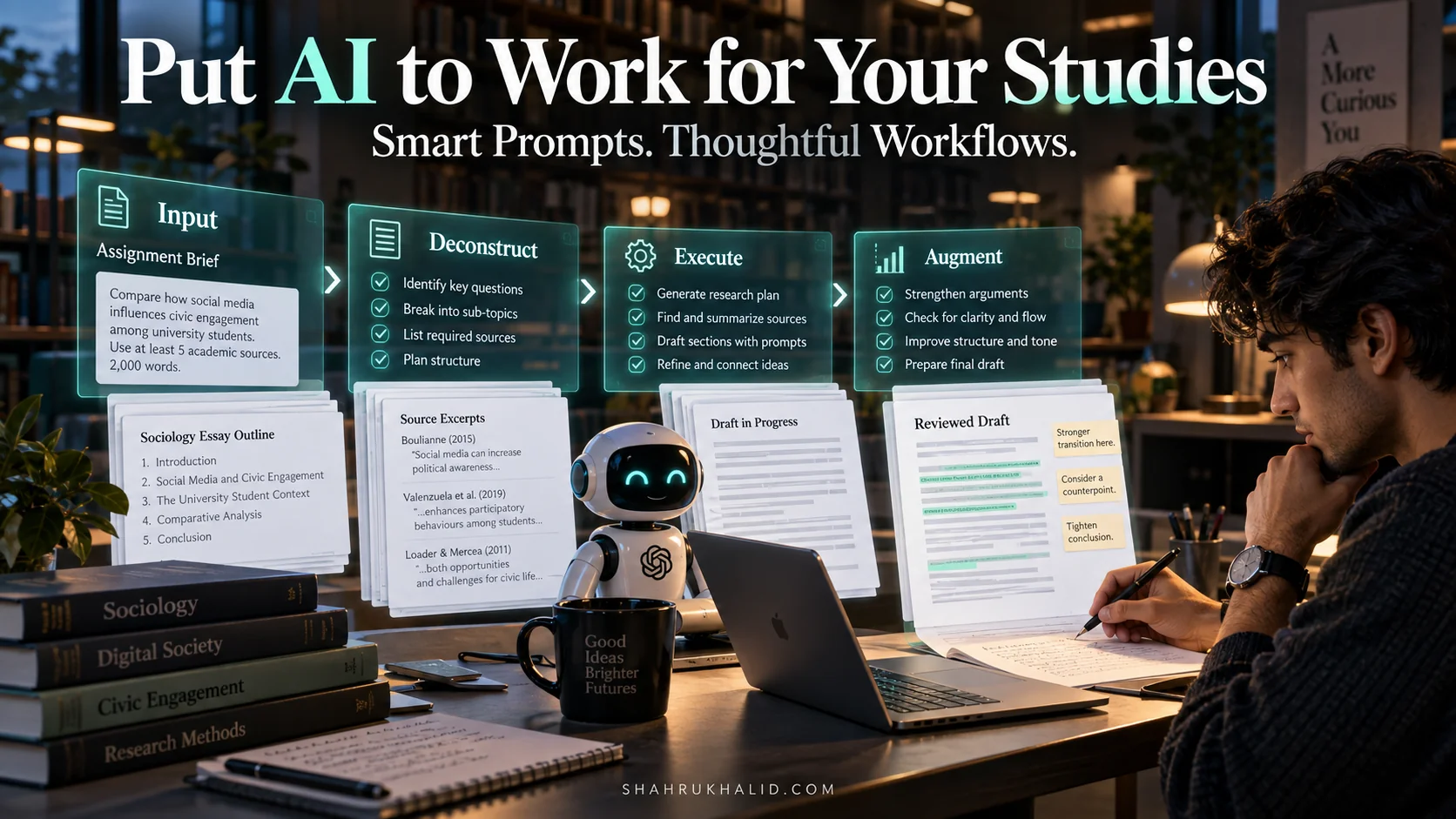
- Modular Requests: Don’t ask for an entire application in one prompt. Break it down into components, services, and tests.
- Include Test Cases: Ask the AI to write unit tests alongside the implementation code.
Remember, while AI streamlines the process, your strategic input remains the most valuable asset. Just as you would carefully curate Backlinks vs Guest Posting in 2026: Which SEO Strategy Works Best? to build a site’s authority, you must curate your AI prompts to build robust software.
The Human Element: Why Creativity Still Matters
Technology is a tool, not a replacement for human ingenuity. As noted in our discussion on Creativity Is More Than just following instructions, the “human in the loop” is what differentiates a functional app from a market-leading product. AI can write the functions, but it cannot yet fully intuit the needs of the end-user or the ethical implications of a feature set. Use ChatGPT for coding to handle the “how,” but keep your focus on the “why.”
Is it safe to use ChatGPT for proprietary enterprise code?
While ChatGPT is powerful, you should always be cautious with proprietary code. Ensure you are using enterprise-grade versions of AI tools that offer data privacy guarantees and opt-out settings for training data. Avoid pasting sensitive API keys or database credentials into any AI interface.
Can ChatGPT replace the need for traditional software engineering education?
No. AI is a tool that accelerates your work, but it does not replace the fundamental need to understand data structures, algorithms, and system design. Without a solid educational foundation, you will be unable to debug the code that the AI generates, leading to technical debt.
How do I handle AI-generated hallucinations in my codebase?
Always verify AI-generated code by running it in a sandbox environment. Implement rigorous unit testing and manual code reviews for any logic suggested by an AI. Treat AI output as a draft that requires human validation, not a final solution.
Conclusion
The ability to effectively use ChatGPT for coding is arguably the most important skill for a developer in 2026. By integrating AI into your daily workflow—from drafting boilerplate code to optimizing complex architecture—you can significantly improve your velocity and the quality of your output. However, never lose sight of the fact that you are the architect. Use AI to build faster, but rely on your own expertise to build better.
Ready to take your development process to the next level? Start by integrating these prompt engineering tips into your next project today, and subscribe to Shahrukh Khalid | Technology News & Insights for the latest updates on the tools shaping our digital future.