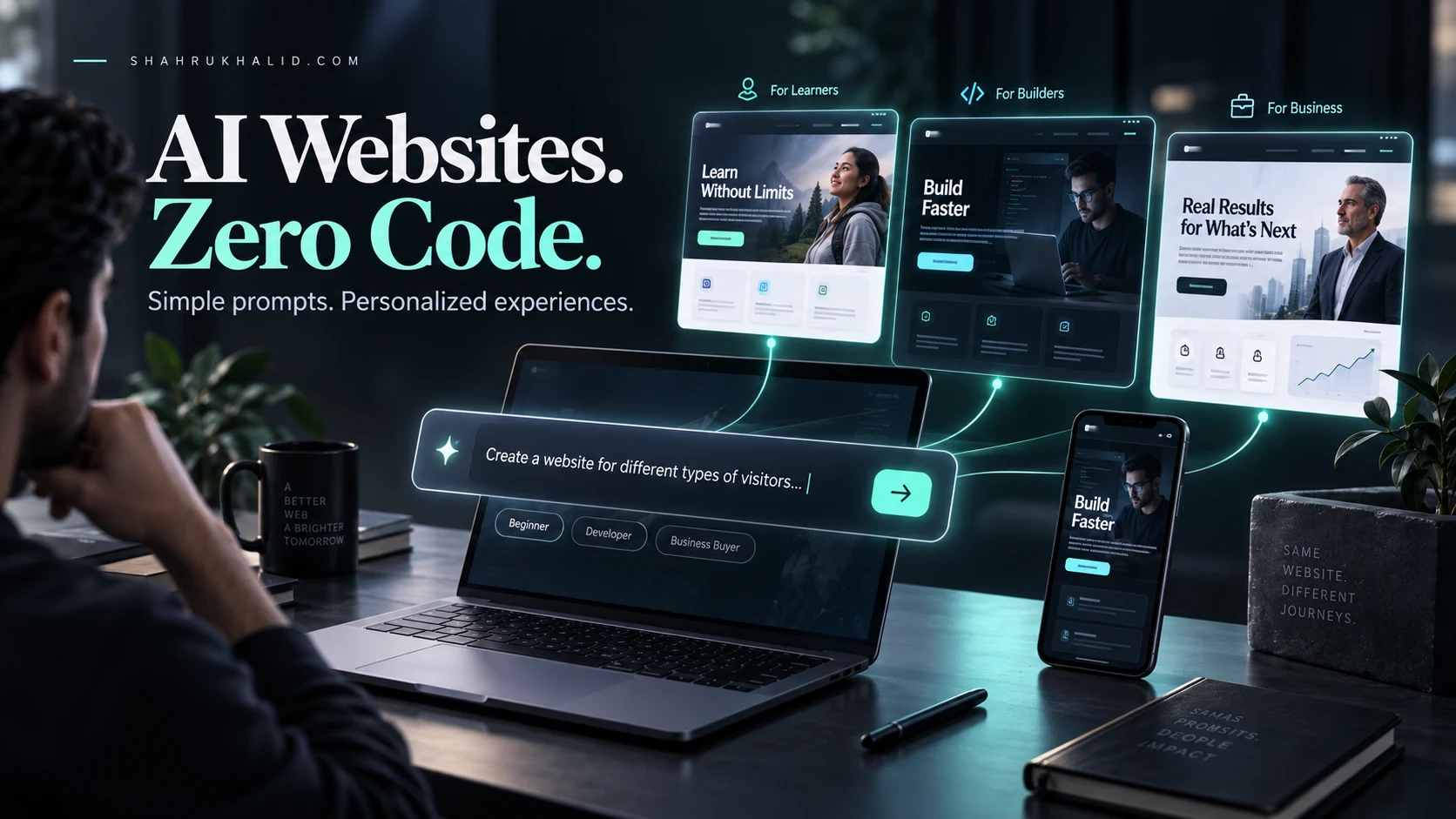
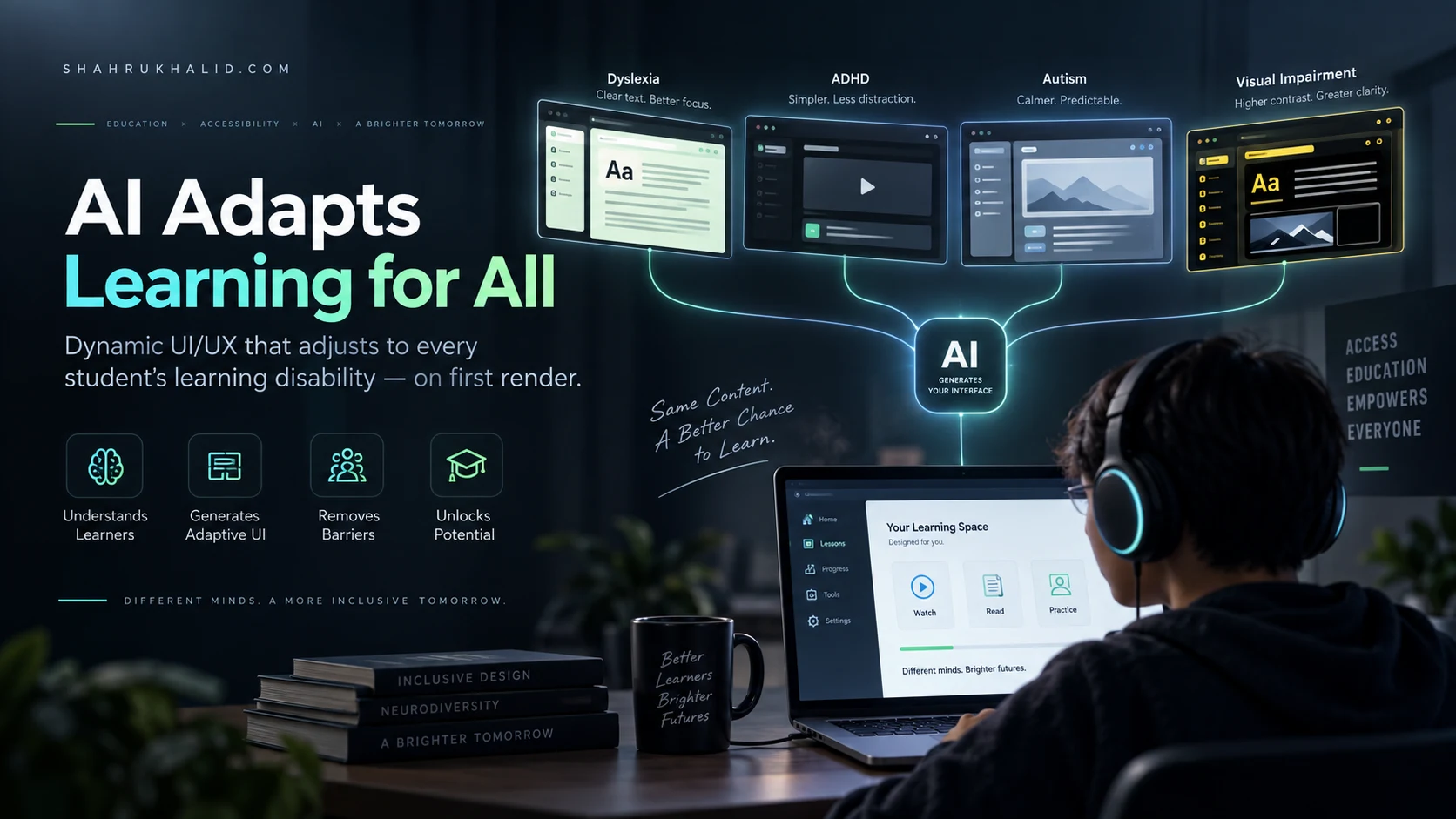
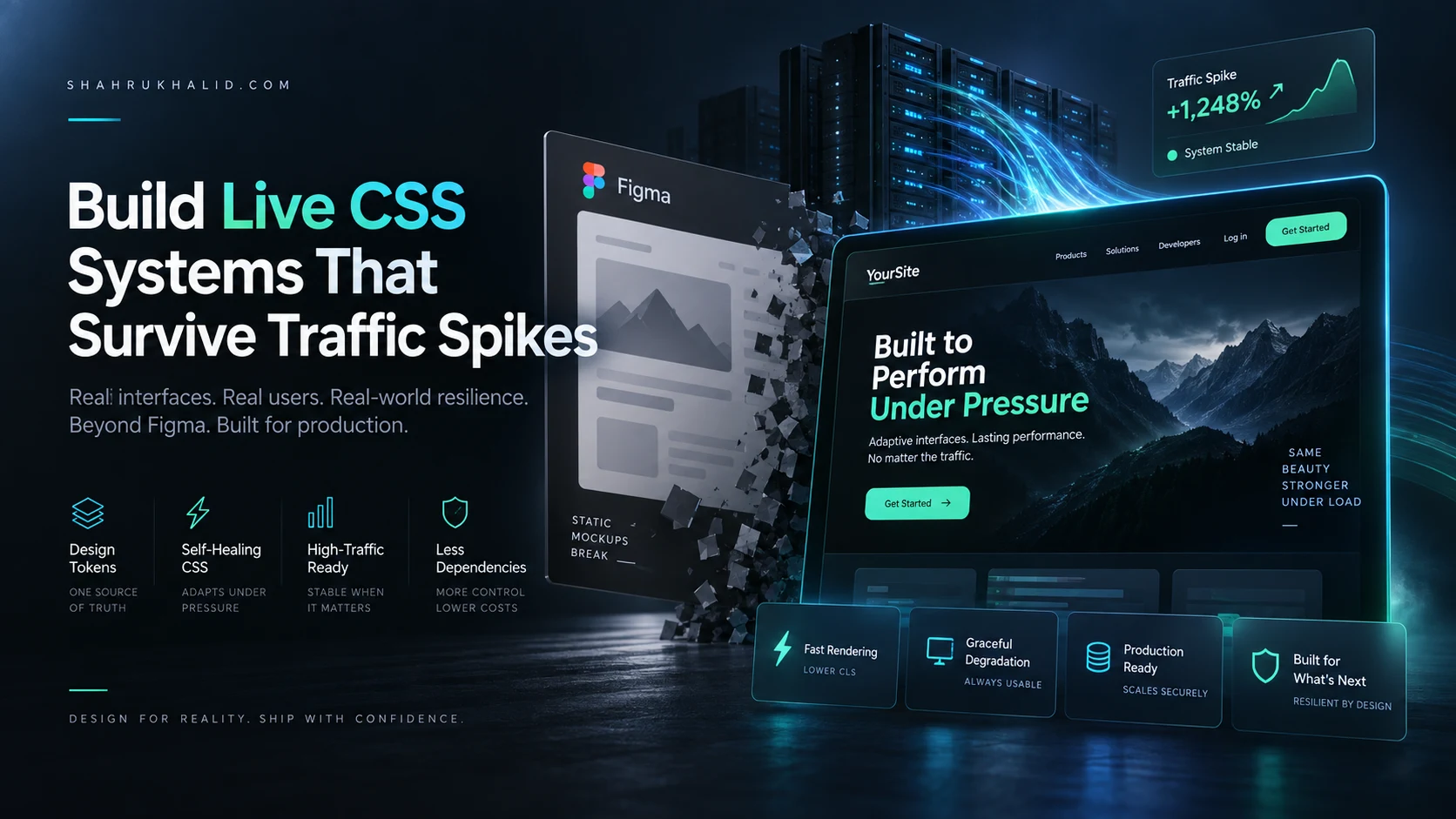
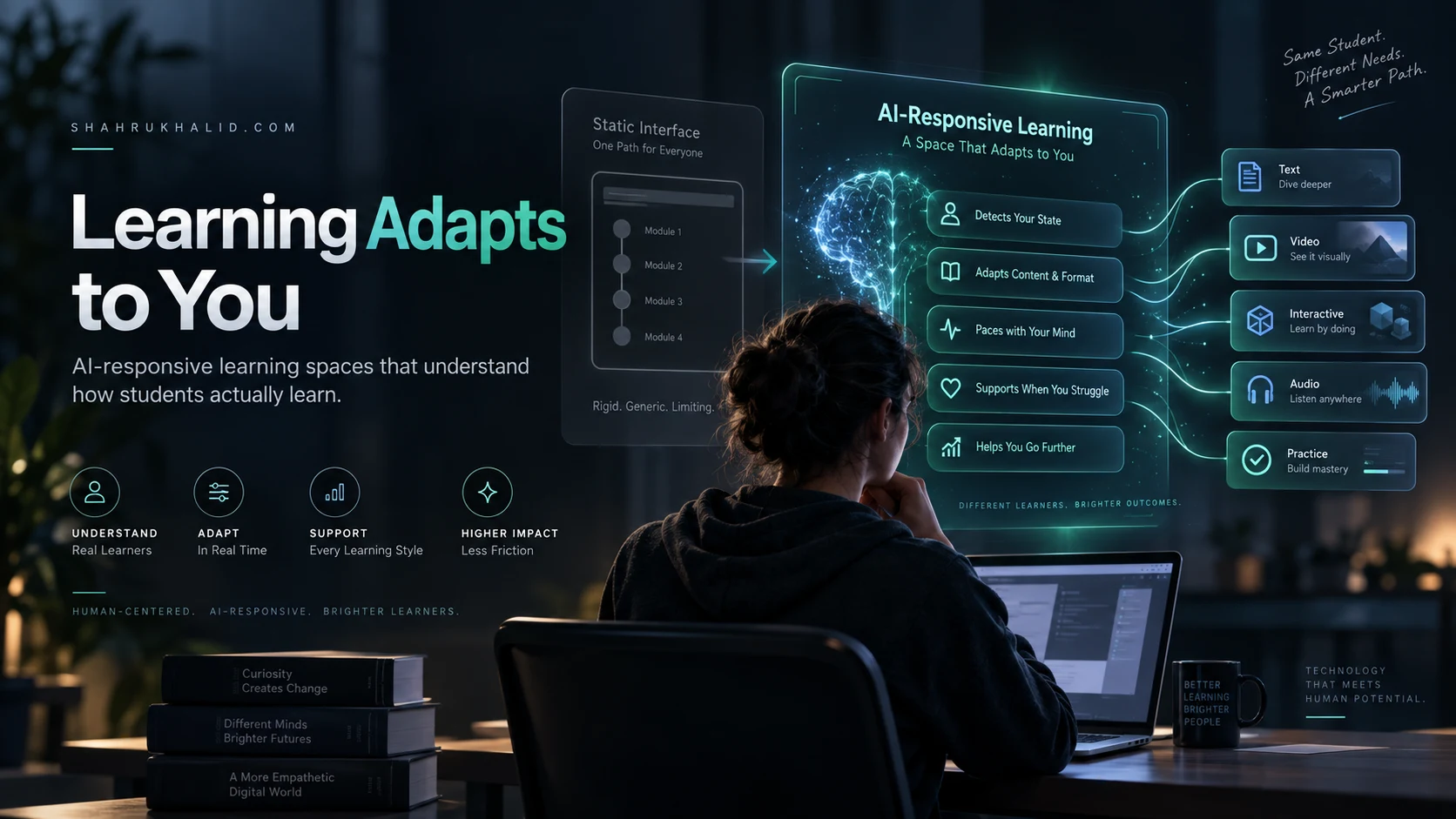
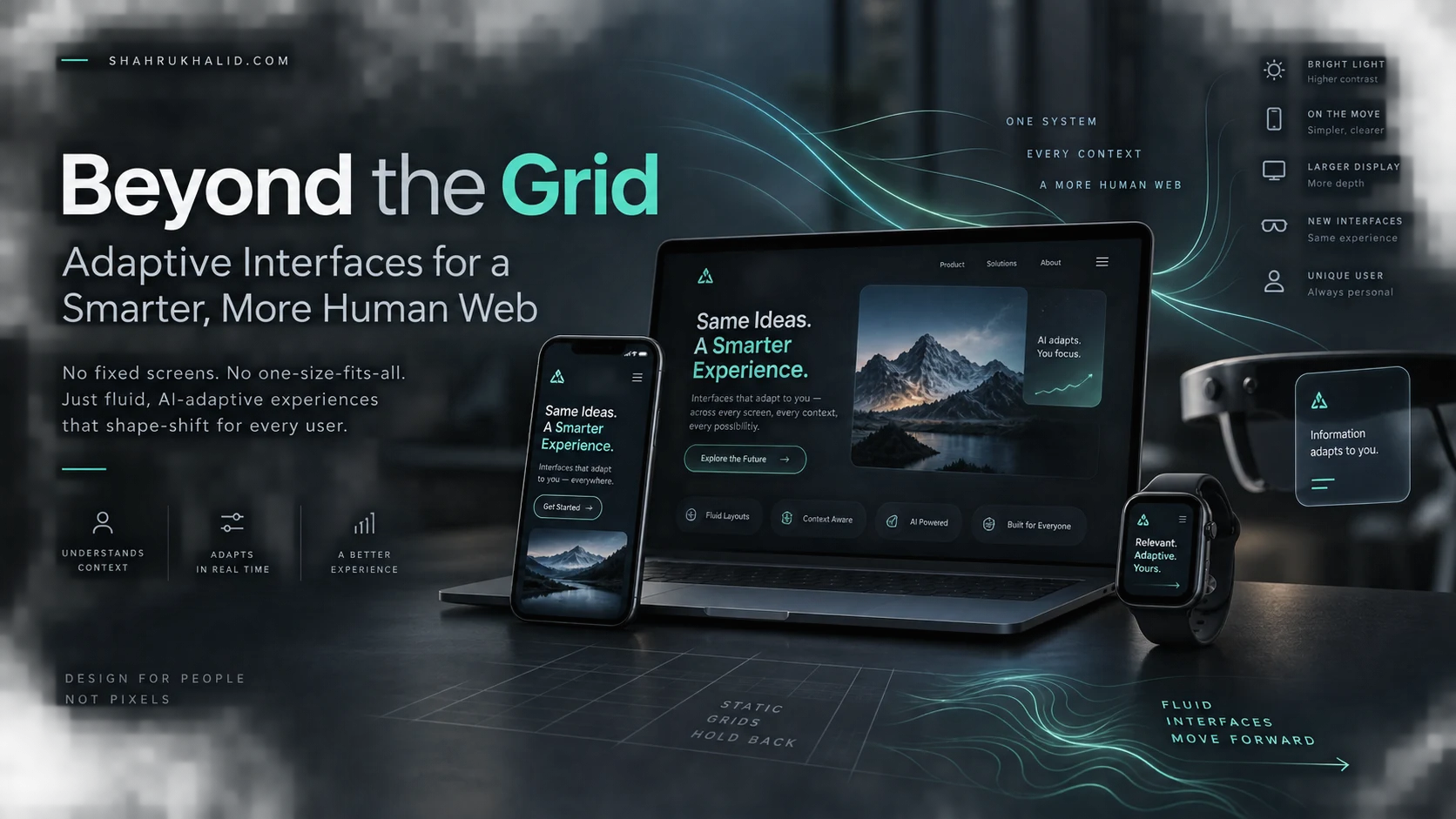
The Death of the Static Interface: Why Generative UI Is Rendering Traditional Responsive Design Obsolete in 2026

Key Takeaways
- Generative UI (GenUI) renders traditional responsive design obsolete, shifting to intent-based, ephemeral LLM-driven UI composition.
- GenUI replaces static state management with Dynamic Component Synthesis, delivering schemas for client-side orchestration.
- Its three-tier architecture includes Semantic Intent, Symbolic Layout Engine, and Hydration Layers for dynamic UI generation.
- Implementation requires dynamic component registries and an Orchestrator rendering streamed layout schemas (JSON-RPC/LLM-tokens).
- GenUI addresses performance challenges like FCP/CLS through crucial optimizations such as Edge-Side Synthesis.
Table of Contents
- Theoretical Foundations & Modern Architecture
- Step-by-Step Implementation & Practical Code
- Enterprise Best Practices & Performance Optimization
- Security, Zero Trust & Common Pitfalls Checklist
- Future Projections & Industry Outlook
- Frequently Asked Questions (FAQ)
Theoretical Foundations & Modern Architecture
In 2026, the paradigm of “Responsive Design”—the practice of crafting fixed breakpoints for static layouts—is effectively legacy technical debt. Generative UI (GenUI) shifts the architectural focus from document-based rendering to intent-based composition. At its core, GenUI treats the user interface as an ephemeral, real-time output of a Large Language Model (LLM) or a specialized Transformer-based layout engine.

The Shift from State to Intent
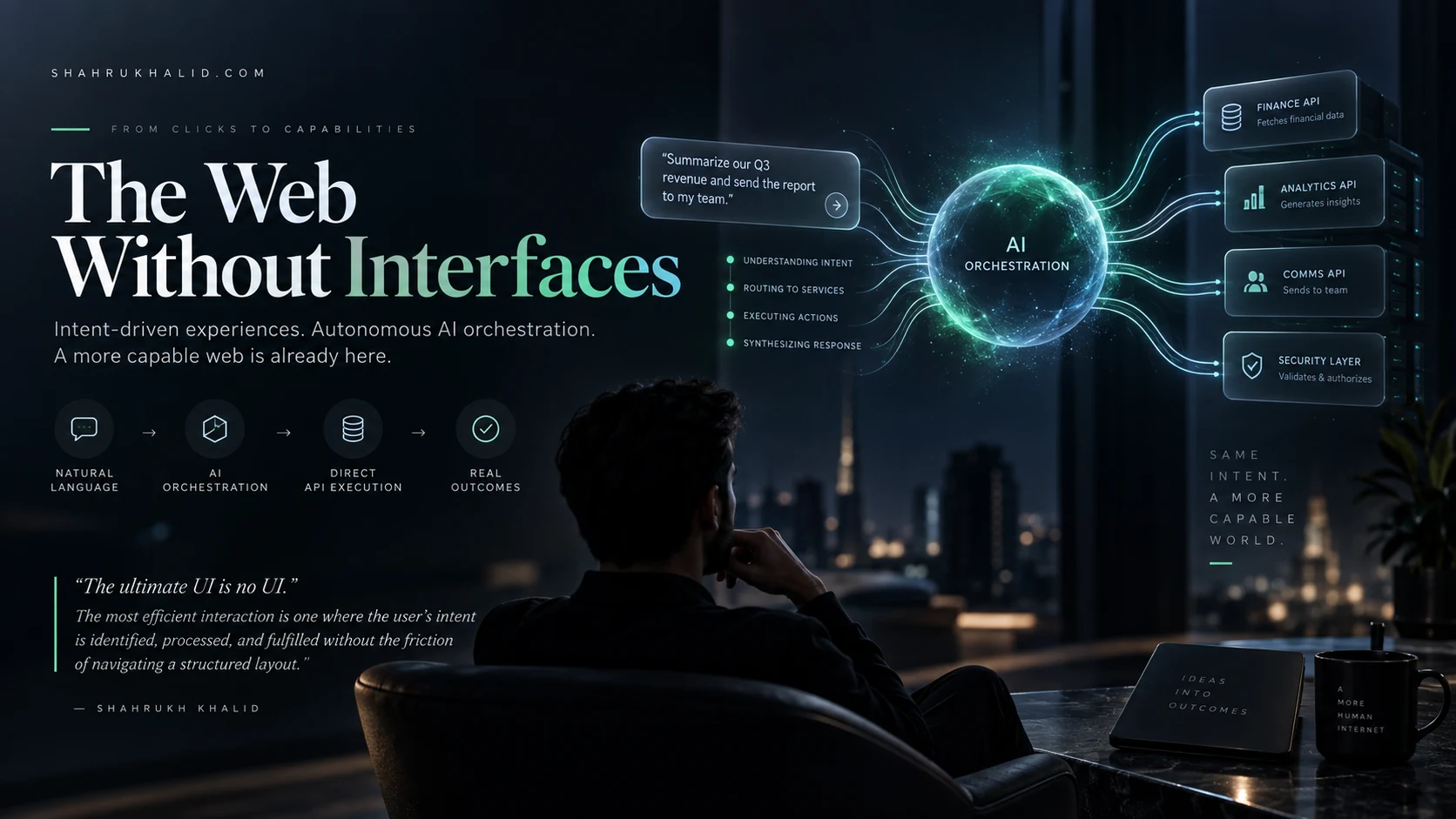
Traditional architectures relied on State Management (Redux, Zustand) to toggle static UI components. GenUI introduces Dynamic Component Synthesis (DCS). Instead of shipping a monolithic bundle of pre-defined components, the server delivers a structured schema (often JSON-RPC or specialized LLM-tokens) that the client-side Orchestrator renders on-the-fly using a Design System library.
The Orchestration Layer
Modern GenUI stacks utilize a three-tier architecture:
- The Semantic Intent Layer: Captures user natural language or behavioral signals.
- The Symbolic Layout Engine: Translates intent into a hierarchical component tree (using JSX-like fragments).
- The Hydration Layer: Injects real-time data into the dynamically instantiated components.
Step-by-Step Implementation & Practical Code
Implementing GenUI requires moving away from static imports to dynamic component registries. Below is a simplified implementation of a GenUI Orchestrator using a registry pattern.

Step 1: Define the Component Registry
'DataChart': dynamic(() => import('./components/DataChart')),
'MetricCard': dynamic(() => import('./components/MetricCard')),
'ActionForm': dynamic(() => import('./components/ActionForm')),
};
Step 2: The Dynamic Orchestrator
return layoutSchema.map((item) => {
const Component = componentRegistry[item.type];
return <Component key={item.id} {…item.props} />;
});
}
Step 3: Streaming the Schema
Use Server-Sent Events (SSE) or WebSockets to stream the layoutSchema from an LLM-backed edge function directly to the client, allowing the interface to “grow” as the user interacts.
Enterprise Best Practices & Performance Optimization
GenUI presents unique performance challenges, specifically regarding First Contentful Paint (FCP) and Layout Shift (CLS). To maintain enterprise-grade performance:
- Edge-Side Synthesis: Perform LLM token generation at the Edge (e.g., Cloudflare Workers or Vercel Edge) to minimize latency between intent capture and component delivery.
- Component Pre-fetching: Use the browser’s
link rel="prefetch"for high-probability components based on user historical intent patterns. - Skeleton State Stability: Implement semantic skeleton loaders that reserve space based on the predicted component type to mitigate CLS.
Security, Zero Trust & Common Pitfalls Checklist
Generative UI introduces a massive vector for Prompt Injection and Arbitrary Component Execution. You must treat every layout schema as untrusted input.
Zero Trust Checklist
- Schema Validation: Utilize Zod or TypeBox to validate the LLM output against a strict JSON schema before passing it to the
Orchestrator. - Component Sandboxing: Ensure dynamically loaded components run in a restricted execution context, preventing access to sensitive global state.
- Content Security Policy (CSP): Restrict script execution to only allow approved, pre-compiled component bundles.
Pitfall: Never allow the LLM to inject raw HTML or JavaScript; strictly limit the LLM to returning component identifiers and data props.
Future Projections & Industry Outlook
By 2027, the role of the “Front-end Developer” will transition toward “Design System Architect.” We are moving toward a future where the interface is truly fluid—not just responsive, but context-aware. Systems will adapt to physical environments, gaze tracking, and biometric stress indicators, rendering the “one-size-fits-all” responsive breakpoint obsolete.