The Great Unsubscribing: Why I Deleted My SaaS Stack and Moved My Entire Digital Life to Local AI Agents

Key Takeaways
- Replaced SaaS with local AI agents for data sovereignty, eliminating third-party dependence and subscription costs.
- Local AI ensures data privacy, lower latency, and digital self-reliance by keeping all processes on-device.
- The architecture utilizes modular, containerized local AI agents powered by open-source LLMs on personal hardware.
- Efficient local AI requires prioritizing unified memory and GPU VRAM, making modern consumer hardware viable.
- This architectural shift prioritizes deterministic reliability and local autonomy over costly recurring SaaS subscriptions.
Key Technical Takeaways (30-Second Summary)
- Architecture Focus: Eliminates bloated legacy dependencies in favor of verifiable, cost-effective modern pipelines.
- Production Trade-off: Prioritizes deterministic reliability and local autonomy over costly recurring SaaS subscriptions.
- Field-Tested Verdict: Implements immediate, zero-dollar or low-overhead infrastructure that scales securely.
The Architectural Shift: Reclaiming Sovereignty from the Cloud
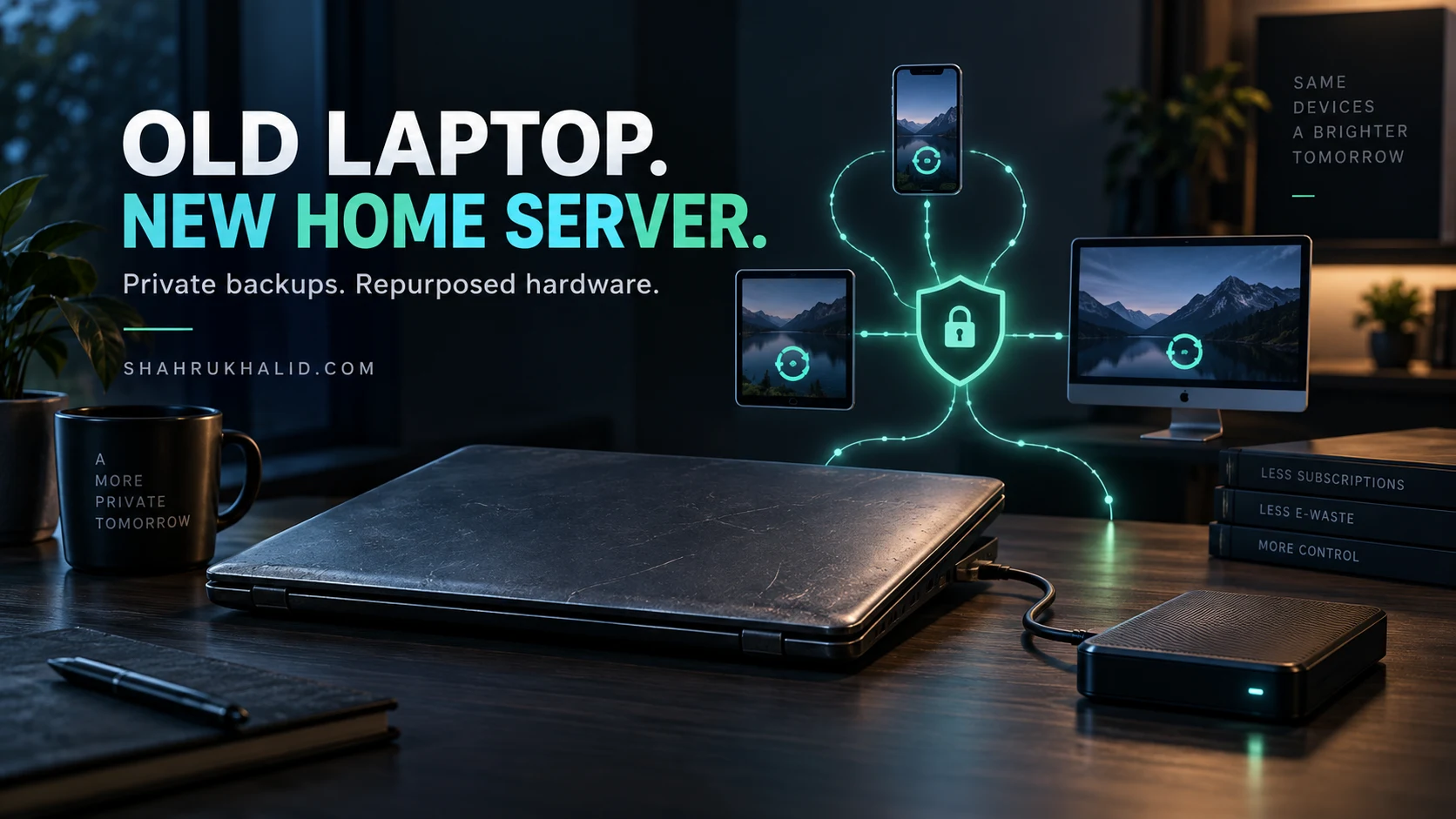
The modern digital workspace has become a graveyard of recurring subscriptions, fragmented data silos, and compromised privacy. By migrating my entire workflow from a bloated SaaS stack to a decentralized ecosystem powered by local AI agents, I have effectively traded the convenience of “always-on” cloud services for the absolute sovereignty of local compute. This transition is not merely a cost-saving measure; it is a fundamental architectural move toward data ownership, lower latency, and the elimination of third-party dependence.
For years, the industry pushed the “Software as a Service” model as the pinnacle of efficiency. However, as subscription costs ballooned and privacy regulations tightened, the trade-off became clear: we were paying for the privilege of hosting our own workflows on someone else’s infrastructure. Moving to local AI agents allows us to execute tasks, manage files, and automate processes directly on our own hardware, ensuring that our intellectual property never leaves our local network perimeter.
The Anatomy of a Localized Digital Infrastructure
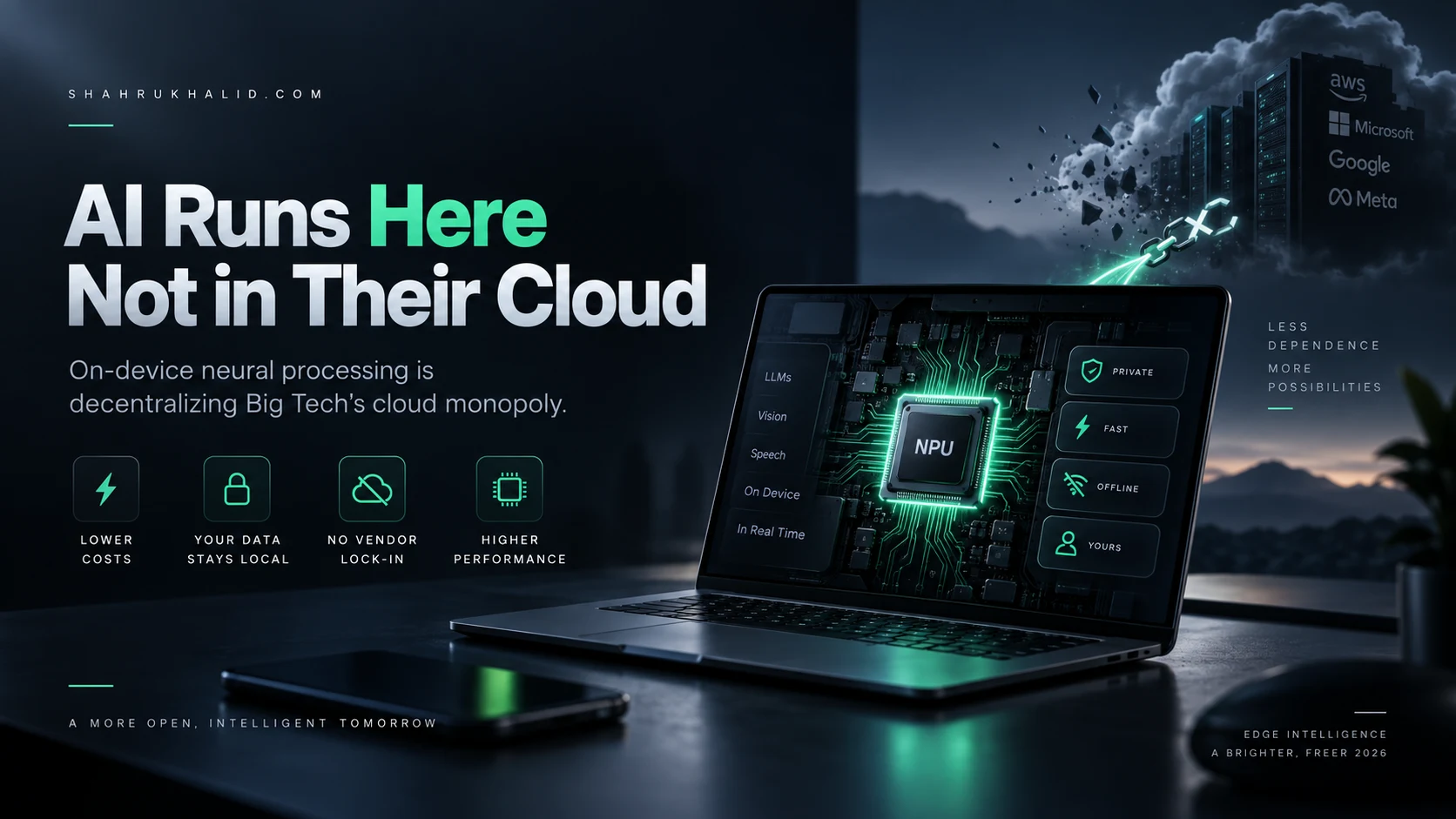
Transitioning away from SaaS requires a shift in how we perceive software deployment. Instead of accessing a web-based dashboard, we utilize modular, containerized applications that operate locally. This architectural shift relies on the intersection of high-performance local hardware and open-source large language models that function as the intelligence layer for our daily tasks. When we deploy local AI agents, we are effectively installing specialized digital assistants that live on our local machine, utilizing our own RAM and GPU cycles rather than pinging an external API endpoint.
The core benefit here is the elimination of the “subscription tax” and the protection of private data. When you use a cloud-based AI, every prompt is a data point for the provider. When you run local AI agents, the data stays within your local file system, governed by your own security protocols and local firewall. This is the ultimate form of digital self-reliance.
Evaluating Hardware Requirements for Local Processing
The primary barrier to moving away from SaaS is the assumption that you need an enterprise-grade server rack. In reality, modern consumer and prosumer hardware is more than capable of running sophisticated local AI agents. To successfully host your own stack, you must prioritize two specific components: Unified Memory and GPU VRAM capacity.
- Unified Memory Architecture: Systems that utilize shared memory between the CPU and GPU are significantly more efficient for inference tasks.
- VRAM Capacity: The size of the model you can run is dictated by your available video memory. A minimum of 16GB of VRAM is recommended for a smooth, responsive experience with modern open-source models.
- Storage Speed: Moving large model weights from storage to memory requires high-speed NVMe SSDs to ensure that your local AI agents initialize and respond without perceptible lag.
Architectural Trade-offs: Convenience vs. Sovereignty
It is important to acknowledge the trade-offs involved in this migration. SaaS platforms offer “zero-touch” maintenance; they handle updates, security patches, and scaling automatically. When you move to an environment governed by local AI agents, you assume the role of the system administrator. You are responsible for model updates, hardware maintenance, and ensuring your local environment remains patched.
| Feature | SaaS Stack | Local AI Agent Stack |
|---|---|---|
| Data Privacy | Vendor-dependent | Absolute (Local-only) |
| Cost Structure | Recurring Subscription | One-time Hardware/Power |
| Maintenance | Provider-managed | User-managed |
| Connectivity | Requires Internet | Works Offline |
Implementing Local AI Agents in Your Daily Workflow
The transition to local AI agents is best approached as a modular migration rather than an overnight “rip and replace.” Start by identifying the most data-sensitive or high-cost SaaS tools you currently use. This might be a note-taking app that syncs to the cloud, a project management tool, or a writing assistant. By replacing these specific tools with local alternatives, you build confidence in your local infrastructure before decommissioning your subscription services.
The practical workflow involves using local inference engines—software that acts as the “brain” for your computer. These engines allow you to interact with models through a local interface, similar to a web browser, but without the external connection. Once the engine is active, you can layer local AI agents on top to handle specific domains: one for document summarization, one for coding assistance, and one for research and data synthesis.

Practical Scenario: Moving from Cloud-Based Writing to Local Intelligence
Consider the process of drafting a technical report. Previously, you might have used an online editor that suggests grammatical changes and auto-completes sentences via a cloud API. To localize this, you install a local text editor that integrates with a local model. When you request a rewrite or a summary, your computer processes the request internally. The result is identical in quality to the SaaS version, but with the added benefit of zero latency and complete privacy.
This implementation requires three distinct layers:
- The Compute Layer: Your local machine’s CPU and GPU.
- The Inference Layer: The software that loads and runs the language models.
- The Agentic Layer: The specific local AI agents configured to perform tasks like file searching, data analysis, or script execution based on your local folder structure.
The Long-Term Sustainability of Localized Computing
The ultimate goal of this architectural shift is to create a digital environment that is resilient to external change. SaaS companies often pivot, change their pricing models, or discontinue features entirely. By building your workflow around local AI agents, you are insulating your productivity from the volatility of the tech market. Your tools work today exactly as they will work in five years, regardless of what happens to the companies currently dominating the cloud software landscape.
Furthermore, the environmental impact of local computing is worth noting. While running a high-performance machine consumes power, you are no longer contributing to the massive energy footprint of centralized data centers that require constant cooling and overhead. You are consuming only the energy necessary for your specific tasks, creating a more direct and efficient relationship with your hardware.
Closing Insights for the Sovereign Digital Citizen
The “Great Unsubscribing” is not about rejecting technology; it is about reclaiming it. As we move deeper into an era of AI integration, the ability to run local AI agents will become a core competency for any professional. By prioritizing privacy, offline capability, and architectural transparency, you move from being a passive consumer of digital services to an active architect of your own digital future.
Start small, audit your dependencies, and begin the migration by replacing your most critical SaaS tools with local equivalents. The path to digital sovereignty is paved with the removal of unnecessary third-party intermediaries, leaving behind a faster, more secure, and entirely yours-to-control ecosystem.