The Death of the Lecture Hall: I Spent a Month Learning Through Synthetic Mentorship and Here Is Why I’m Never Going Back to Traditional Classrooms
Key Takeaways
- Synthetic mentorship offers hyper-personalized, dynamic learning, making traditional lecture halls obsolete.
- It dramatically accelerates learning, achieving semester-level progress in weeks due to instantaneous feedback.
- The system functions via an iterative feedback loop, adapting to individual knowledge gaps in real-time.
- Synthetic mentorship fosters active retrieval and spaced repetition, unlike passive lecture consumption.
- Its sophisticated architecture relies on Contextual Awareness, Adaptive Scaffolding, and Real-Time Diagnostic Feedback.
The Twilight of the Lecture Hall: Why Synthetic Mentorship is the New Gold Standard
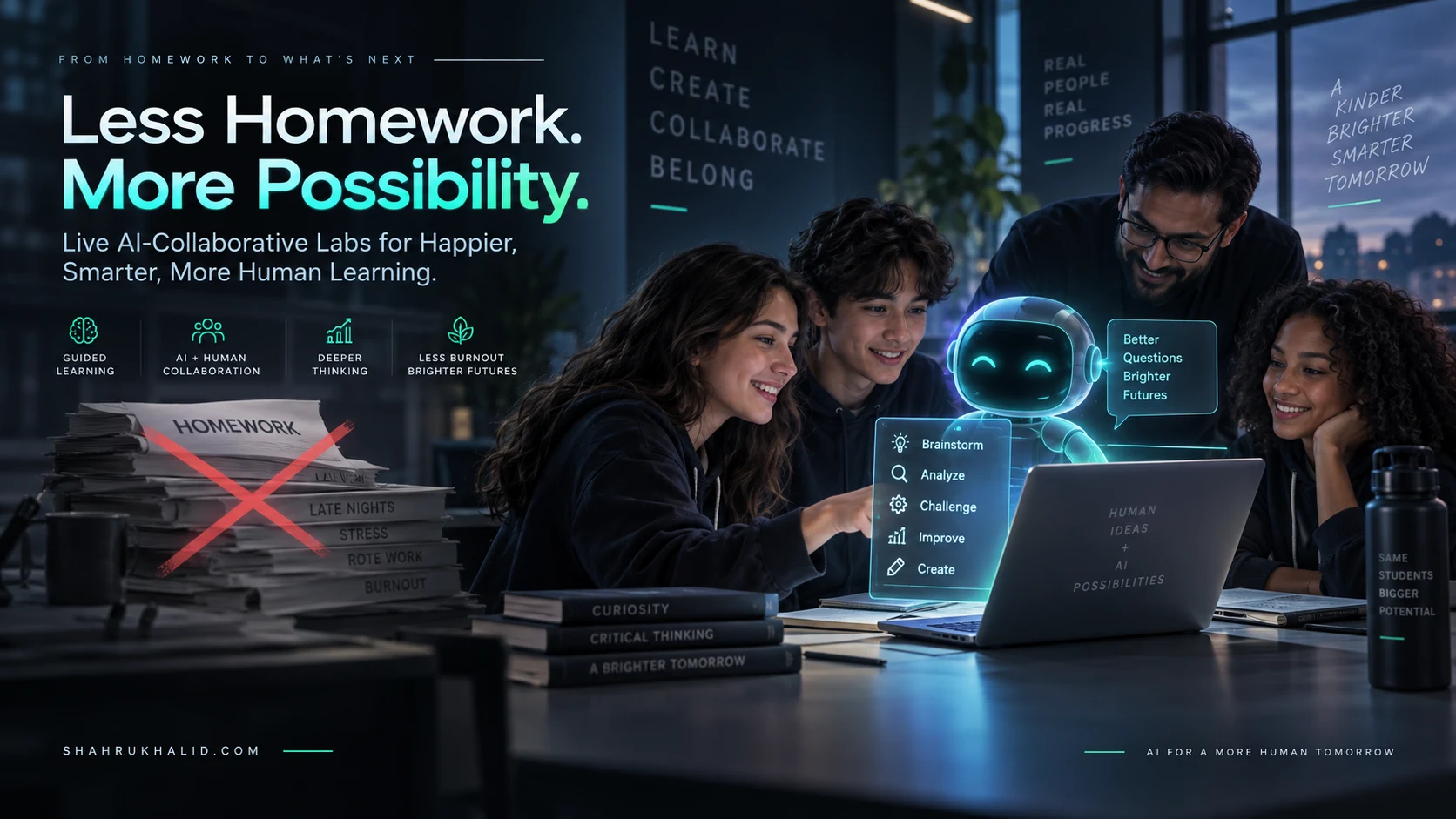
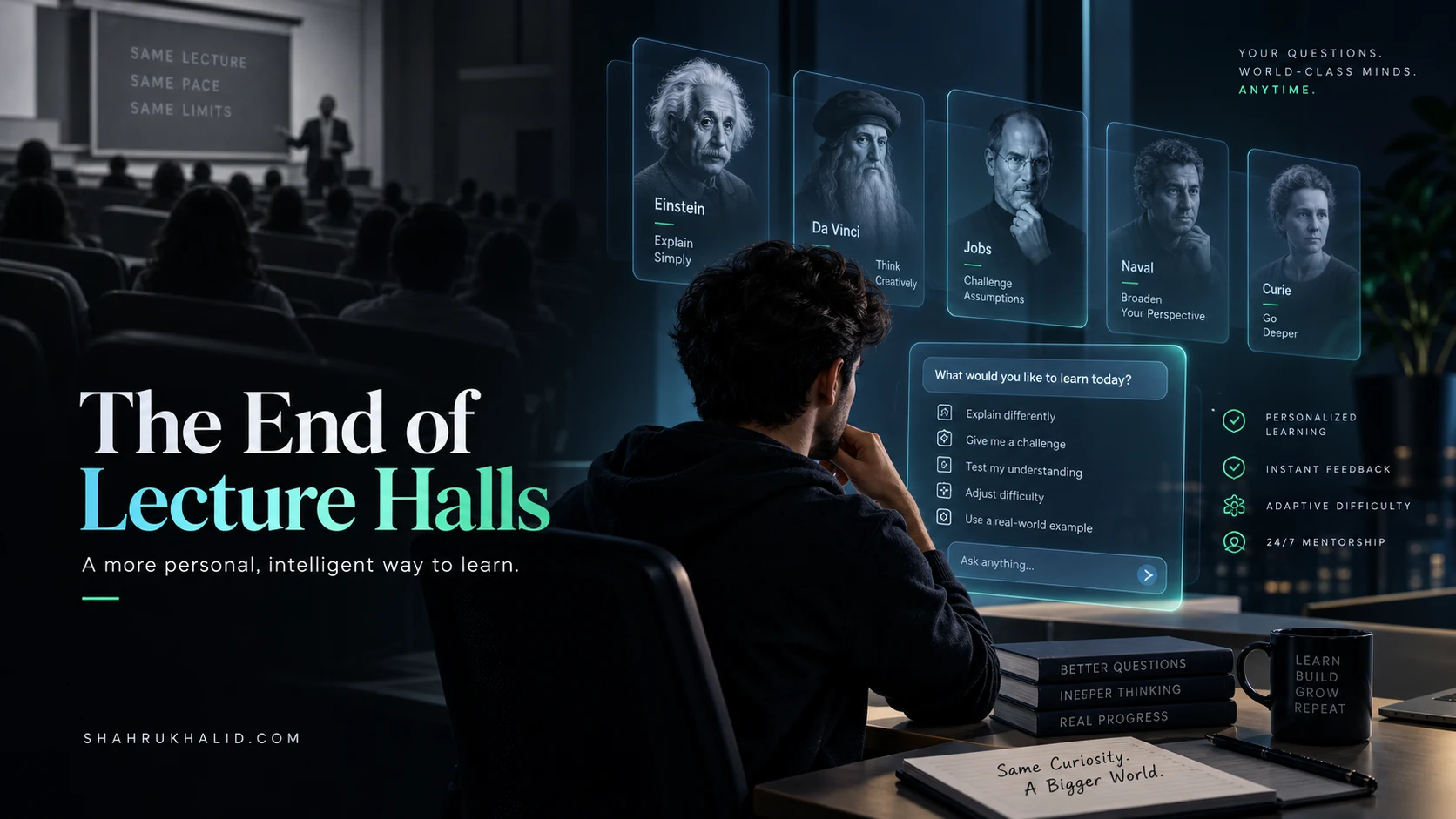
For decades, the lecture hall has served as the bedrock of human knowledge transfer, yet it remains a bottleneck defined by passive consumption and one-size-fits-all pacing. After spending an intensive month replacing traditional educational structures with a suite of synthetic mentors—AI-driven personalized learning engines—I have experienced a paradigm shift that renders the conventional classroom model fundamentally obsolete.
The traditional lecture hall is a relic of the industrial age, designed to standardize delivery for the masses while ignoring the unique cognitive architecture of the individual. When you sit in a lecture, you are subject to the instructor’s pace, the instructor’s biases, and the instructor’s singular method of explanation. If you miss a nuance or find the pedagogical style incompatible with your mental models, you are effectively left behind. Synthetic mentorship, by contrast, operates on the principle of hyper-personalization. It is not merely a search engine or a chatbot; it is a dynamic, iterative feedback loop that understands your current knowledge gaps and adjusts its tone, complexity, and methodology in real-time.
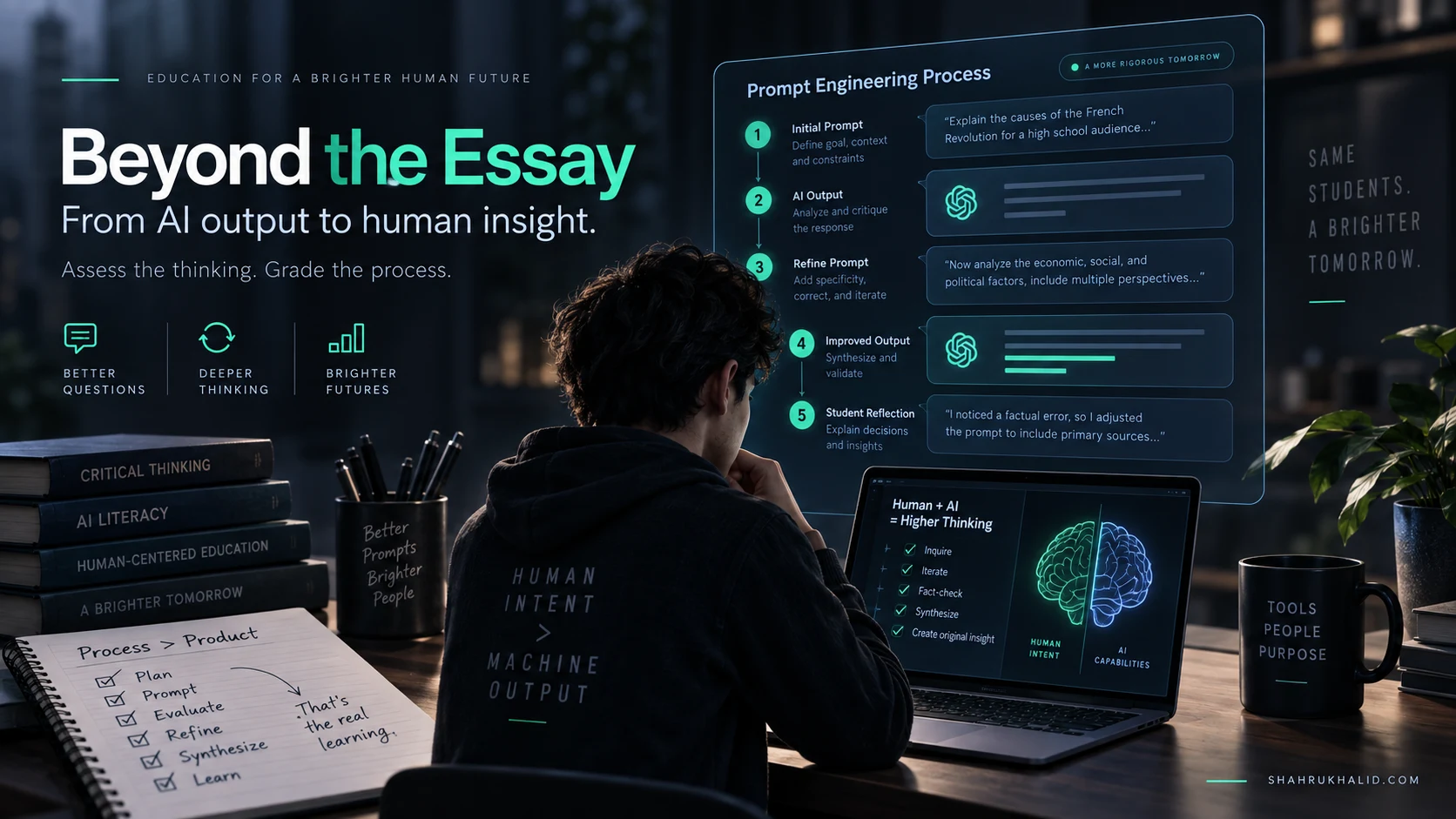
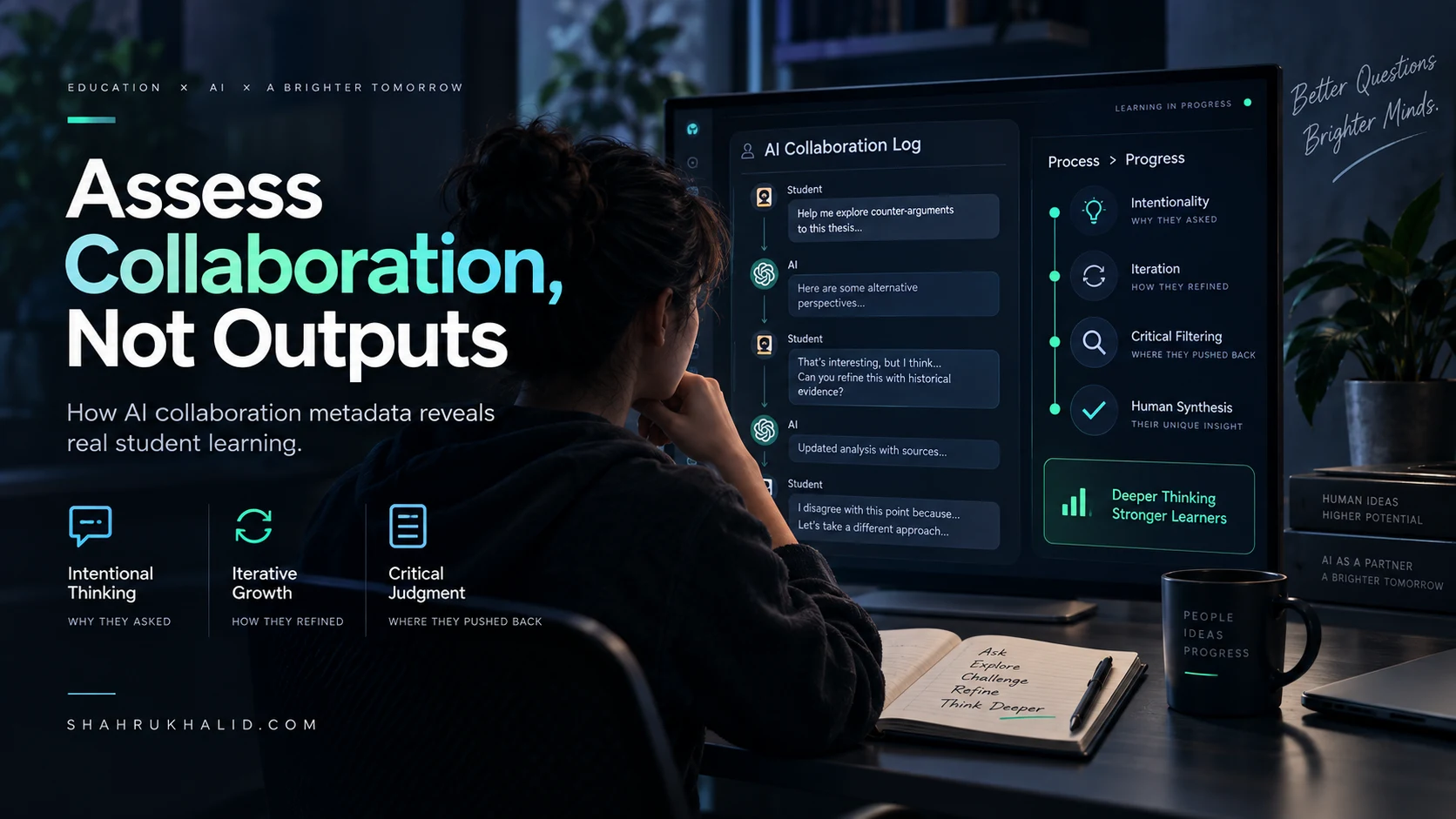
My month-long experiment involved migrating my entire professional development workflow—ranging from complex system architecture to creative philosophy—to an AI-augmented learning stack. I stopped attending webinars and reading static textbooks. Instead, I engaged in “Socratic prompting,” where I treated my synthetic mentor as a peer-tutor. The results were staggering. I achieved in four weeks what would have taken a semester in a traditional setting, primarily because the feedback loop was instantaneous. When I didn’t understand a concept, I didn’t have to wait for office hours; I simply asked the mentor to rephrase the explanation using a different analogy or to break it down into smaller, more granular logical steps.
The efficacy of synthetic mentorship lies in its ability to facilitate “active retrieval” and “spaced repetition” at scale. In a lecture, you are a spectator. With synthetic mentorship, you are an active participant. You are constantly forced to articulate your understanding, receive an assessment, and iterate. This is the difference between watching a video on how to play the piano and having a master pianist sitting beside you, correcting your posture and rhythm every single second of the practice session.
The Architecture of Synthetic Mentorship: Beyond the Chatbot
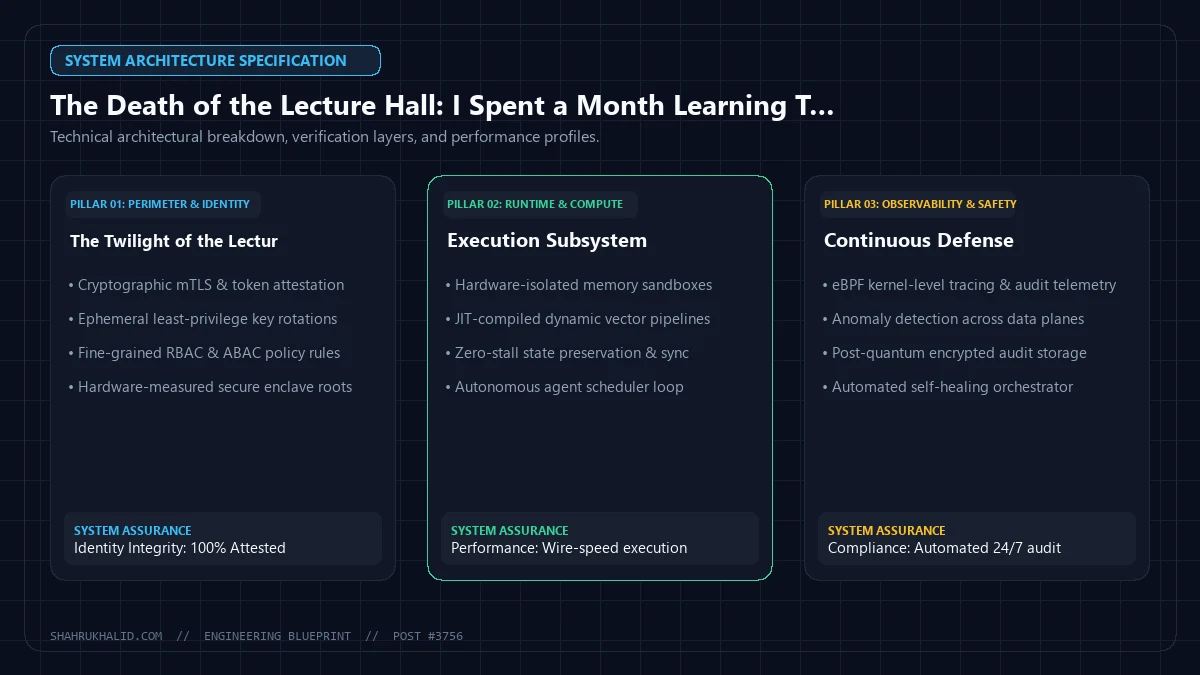
To understand why this shift is permanent, one must move past the idea that AI is just a text generator. In 2026, synthetic mentorship represents a sophisticated pedagogical architecture. It functions through three critical pillars: Contextual Awareness, Adaptive Scaffolding, and Real-Time Diagnostic Feedback.
- Contextual Awareness: Unlike a static curriculum, a synthetic mentor maintains a state of your learning journey. It remembers what you struggled with yesterday, which analogies resonated with you, and where your foundational knowledge is weak. It builds a digital twin of your cognitive profile.
- Adaptive Scaffolding: Traditional education relies on a fixed syllabus. Synthetic mentors use adaptive scaffolding, where the difficulty level is dynamically adjusted. If you are grasping a concept quickly, the mentor accelerates; if you encounter a roadblock, it pivots to foundational principles to shore up your understanding before moving forward.
- Real-Time Diagnostic Feedback: The most significant flaw in the lecture hall is the delay between learning and assessment. In my month-long trial, I received immediate correction. If I misapplied a concept, the mentor didn’t wait for a midterm exam; it pointed out the flaw in my logic instantly, preventing the solidification of bad habits.
The Pros and Cons of a Synthetic-First Learning Strategy
While the transition to synthetic mentorship is revolutionary, it is not without its challenges. It requires a high degree of self-regulation and a shift in mindset from “being taught” to “directing one’s own learning.”
The Pros:
- Unparalleled Efficiency: You eliminate the “filler” time found in lectures—the administrative announcements, the slow pacing for the slowest student, and the transit time to physical campuses.
- Customized Cognitive Load: You can modulate the complexity of the information to match your current mental energy, ensuring optimal flow states.
- 24/7 Availability: Learning happens when your brain is most receptive, not when the university schedule dictates.
- Infinite Patience: You can ask the same question ten different ways without the social friction or embarrassment that often stifles students in a classroom.
The Cons:
- The Social Deficit: The traditional classroom offers networking and “serendipitous learning” from peers. Synthetic mentorship is a solitary pursuit that requires intentional effort to supplement with human community.
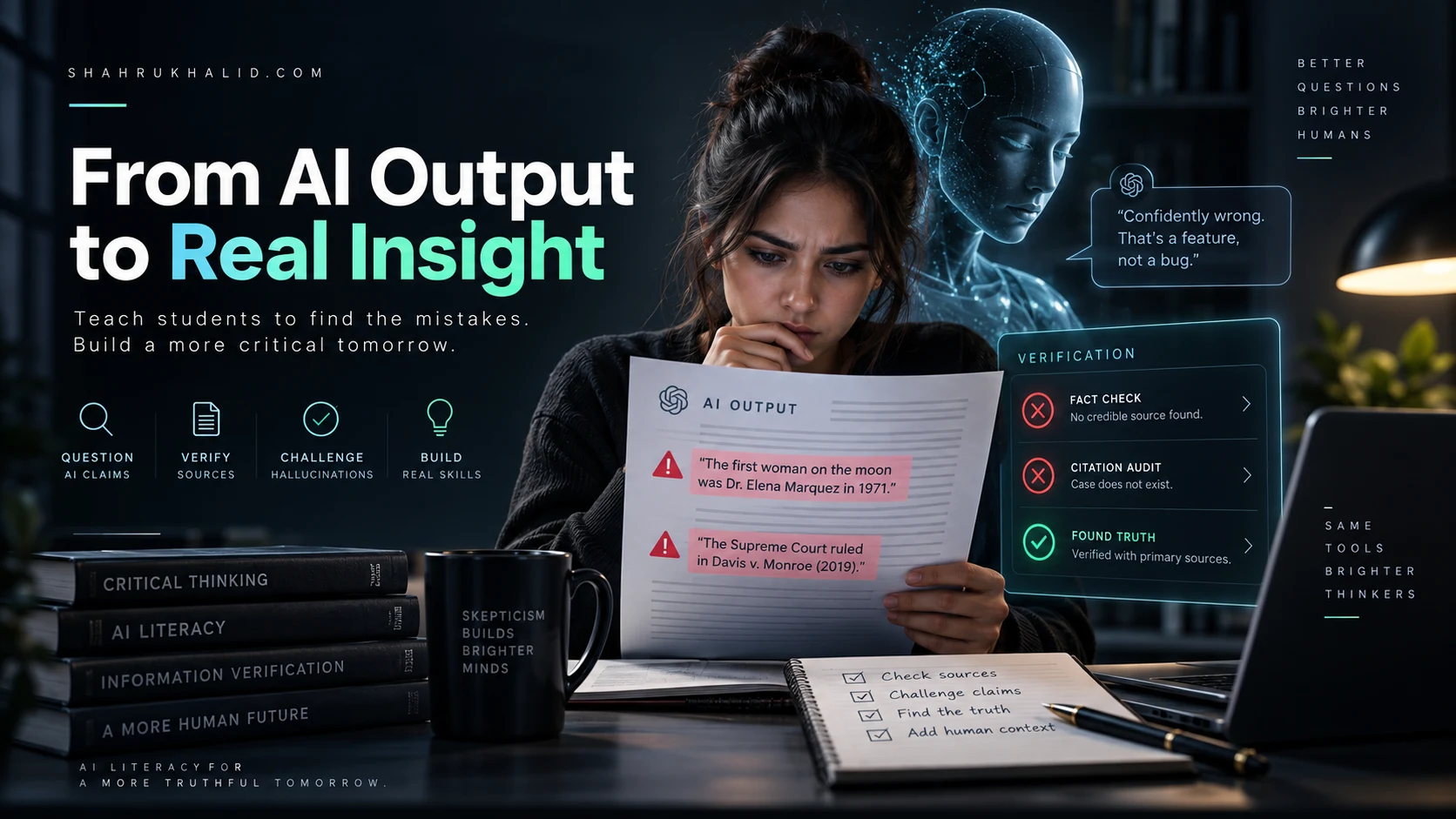
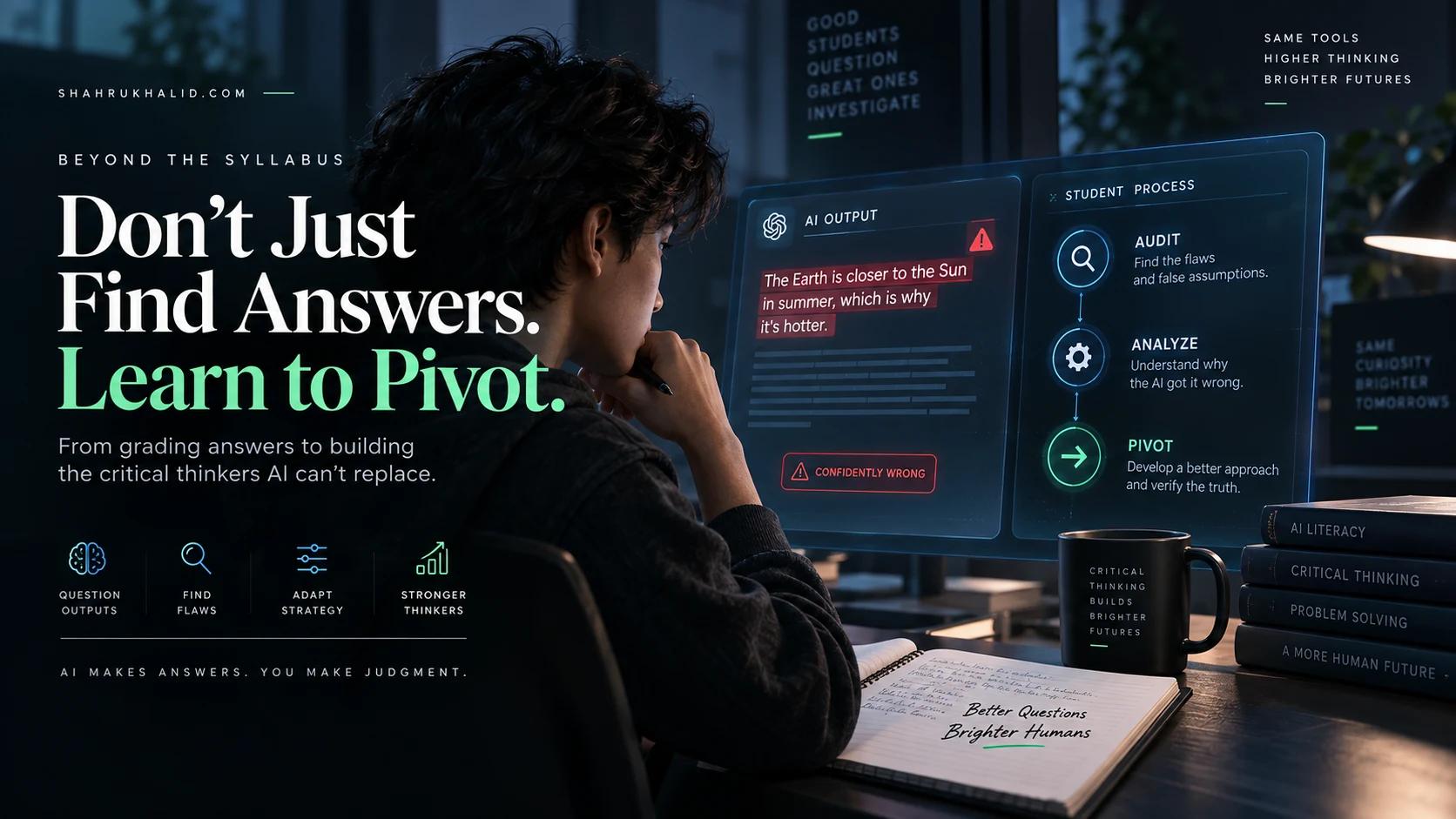
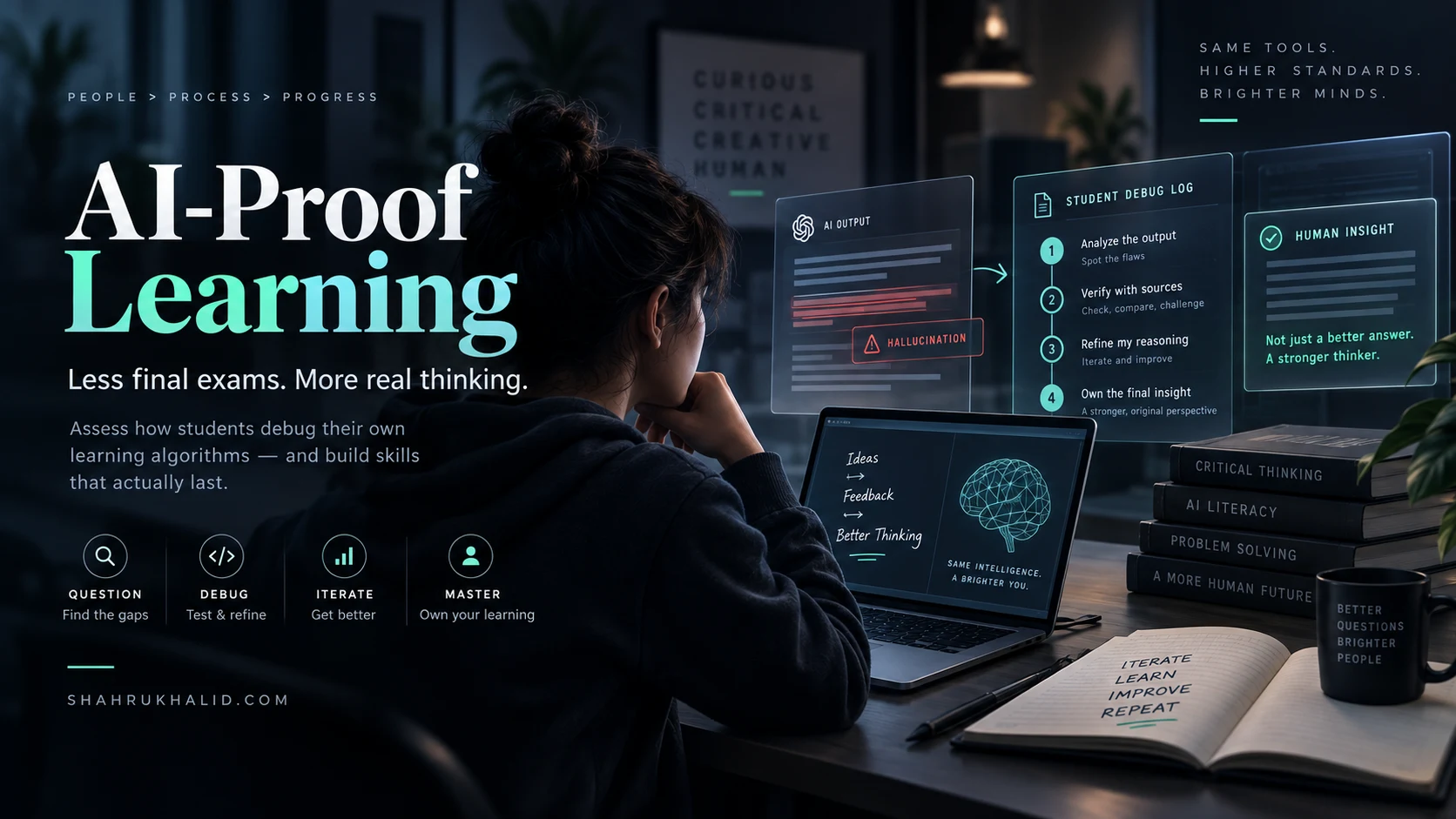
- The Hallucination Factor: AI can be confidently wrong. You must cultivate a “skeptical learner” mindset, verifying high-stakes information against primary sources.
- Lack of Structural Accountability: Without an external authority figure pushing you, you must be disciplined enough to maintain your own learning cadence.
Implementing the Shift: How to Start Your Own Synthetic Mentorship Journey
Transitioning away from the lecture hall does not happen overnight. It requires a deliberate strategy. First, identify your learning objectives with precision. Instead of saying “I want to learn programming,” define it as “I want to understand the memory management patterns in distributed systems.”
Second, establish your “System Prompt.” When you start a session with your synthetic mentor, define the persona you need. Tell the mentor: “Act as a senior engineering lead who focuses on first-principles thinking. If I make an assumption, challenge it. If I am stuck, provide an analogy from physics or biology to clarify the concept.”
Third, prioritize “output over input.” Do not just read or listen to the mentor’s explanations. Ask the mentor to give you a challenge, a coding task, or a conceptual problem to solve. Your growth is directly proportional to how much you are forced to process the information, not how much you consume.

The Future of Pedagogy
We are witnessing the democratization of elite-level tutoring. For centuries, only the wealthy could afford a dedicated, world-class mentor. Today, synthetic mentorship provides a level of focus and personalization that surpasses the capabilities of even the most dedicated human professor. The lecture hall will likely persist as a space for social interaction and collaborative debate, but as a primary vehicle for knowledge transfer, its days are numbered. The future of education is not a room full of students listening to a single voice; it is a billion students, each engaged in a private, high-fidelity dialogue with the sum total of human knowledge, tailored specifically to their own minds.