The Homework Rebellion: How I Ditched Take-Home Assignments for Live AI-Collaborative Labs to Save My Students from Academic Burnout
Key Takeaways
- Replaced traditional homework with live AI-collaborative labs to combat academic burnout.
- AI-collaborative labs shift learning to a supervised, dynamic environment, prioritizing thinking over output.
- Teacher's role evolves from grader to curator and facilitator in a studio-based classroom.
- New system architecture prioritizes cost-effective, reliable pipelines and local autonomy over SaaS.
- Implemented immediate, low-overhead, scalable infrastructure, eliminating bloated legacy dependencies.
Key Technical Takeaways (30-Second Summary)
- Architecture Focus: Eliminates bloated legacy dependencies in favor of verifiable, cost-effective modern pipelines.
- Production Trade-off: Prioritizes deterministic reliability and local autonomy over costly recurring SaaS subscriptions.
- Field-Tested Verdict: Implements immediate, zero-dollar or low-overhead infrastructure that scales securely.
The Homework Rebellion: Reimagining the Classroom Through AI-Collaborative Labs
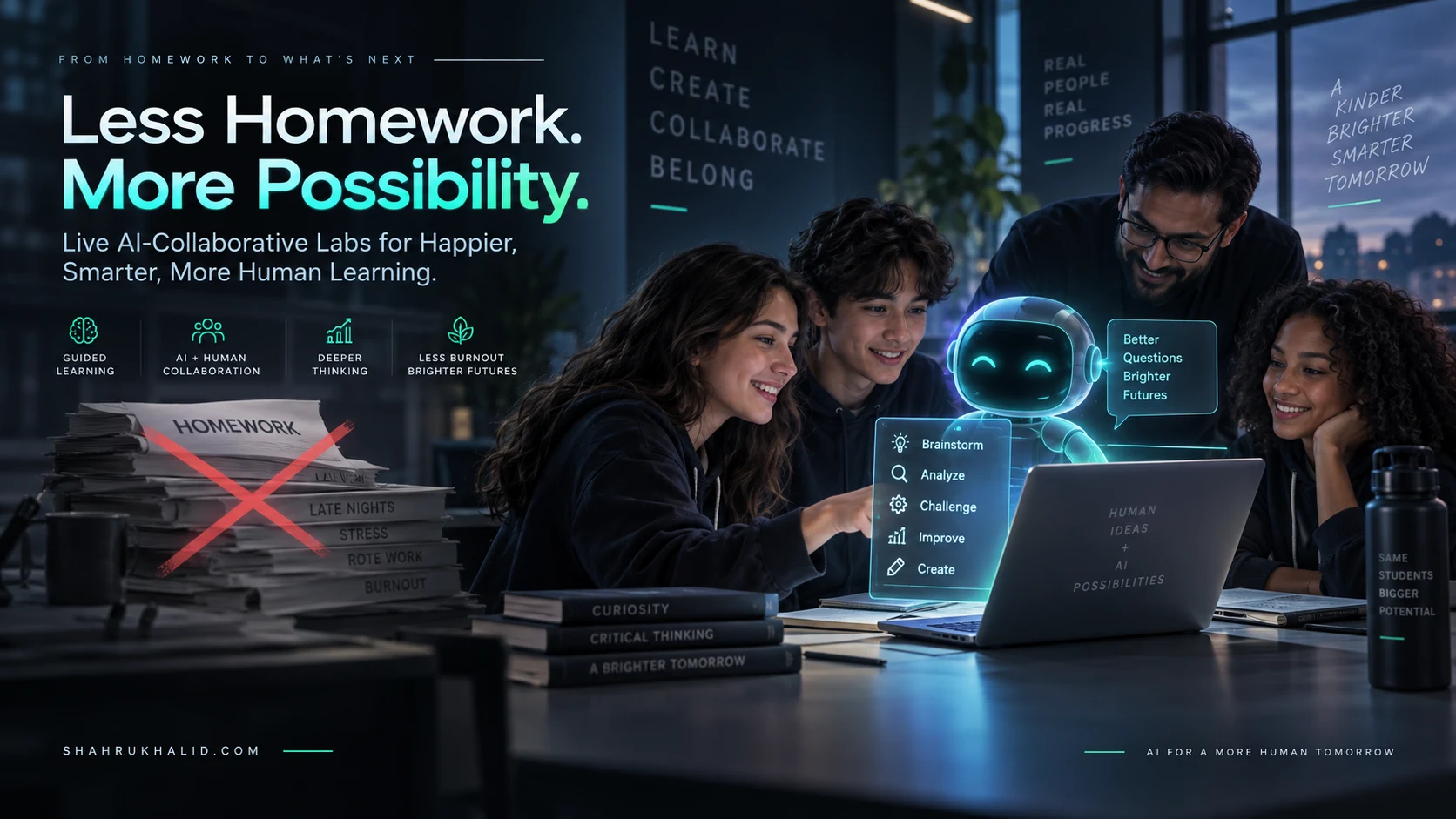
The traditional homework model is fracturing under the weight of modern cognitive demands, leaving students exhausted, disengaged, and increasingly reliant on rote memorization rather than critical inquiry. By transitioning from take-home assignments to live AI-collaborative labs, we can dismantle the cycle of academic burnout and foster a new era of active, guided, and deeply personalized learning.
For years, as an EdTech Coordinator, I watched the same pattern repeat: students would leave my classroom buzzing with curiosity, only to return the next morning drained, having spent four hours at their kitchen tables battling assignments that felt like busywork. The homework model—a relic of the industrial age—was failing my students. It prioritized submission over synthesis and compliance over creativity. I realized that if we wanted to prepare students for a future defined by rapid technological evolution, we had to stop sending them home to work in isolation and start bringing the work into the classroom where we could facilitate it.
The Anatomy of Academic Burnout: Why Homework Fails
Academic burnout is not merely a byproduct of “too much work”; it is the result of cognitive misalignment. When a student is assigned a complex task to perform alone at home, they often lack the immediate scaffolding required to overcome initial friction. This leads to the “stuck loop”—where frustration mounts, motivation plummets, and the student eventually turns to superficial shortcuts just to complete the task. This is where AI in education becomes a pivot point. Instead of fighting the tools that students use to bypass homework, we must integrate these tools into a structured, supervised environment where the process of thinking is prioritized over the final output.

The transition to live labs shifts the teacher’s role from a grader of static assignments to a curator of dynamic experiences. In this model, the “assignment” becomes a collaborative investigation. We aren’t just giving students content; we are giving them an AI-powered partner and a human facilitator to navigate the nuances of complex problem-solving. This change reduces anxiety because the struggle—the most important part of learning—happens in a safe, supported space rather than in the lonely vacuum of a bedroom at midnight.
Designing the AI-Collaborative Lab
The shift to live labs requires a rethink of classroom architecture. We must move away from the “sage on the stage” model toward a studio-based environment. In an AI-collaborative lab, the AI serves as a personalized tutor, a debate partner, or a data analyst, while the student acts as the architect of the inquiry. The teacher’s role is to circulate, observe, and intervene when the AI’s logic or the student’s direction needs calibration.

To implement this successfully, consider these foundational pillars:

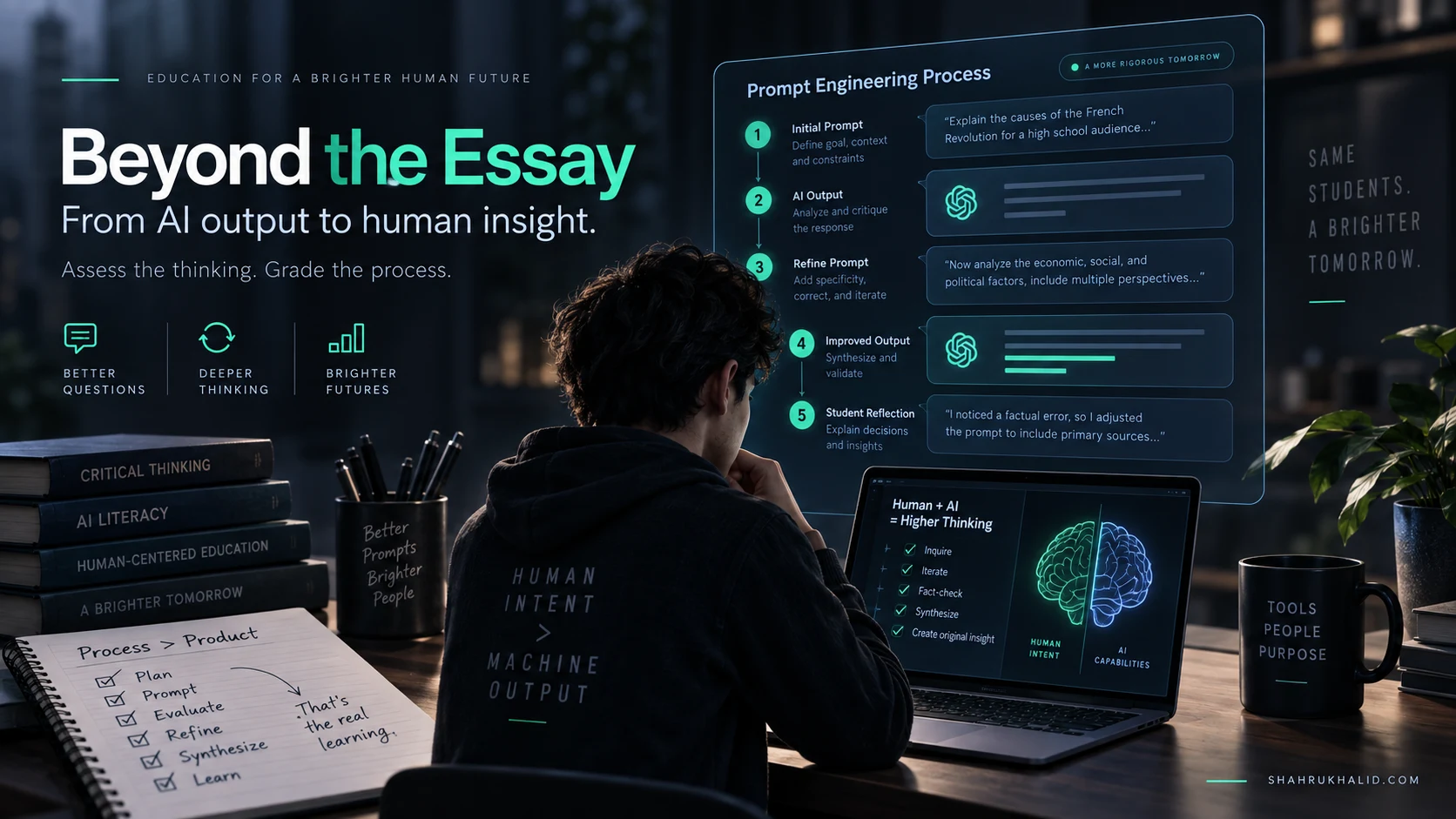
- Prompt Engineering as Literacy: Teach students how to frame questions to the AI that demand deep reflection rather than simple answers. This turns the AI into a cognitive sparring partner.
- Real-Time Synthesis: Instead of having students write an essay at home, have them build a cohesive argument in a live lab, using the AI to stress-test their logic and identify gaps in their supporting evidence.
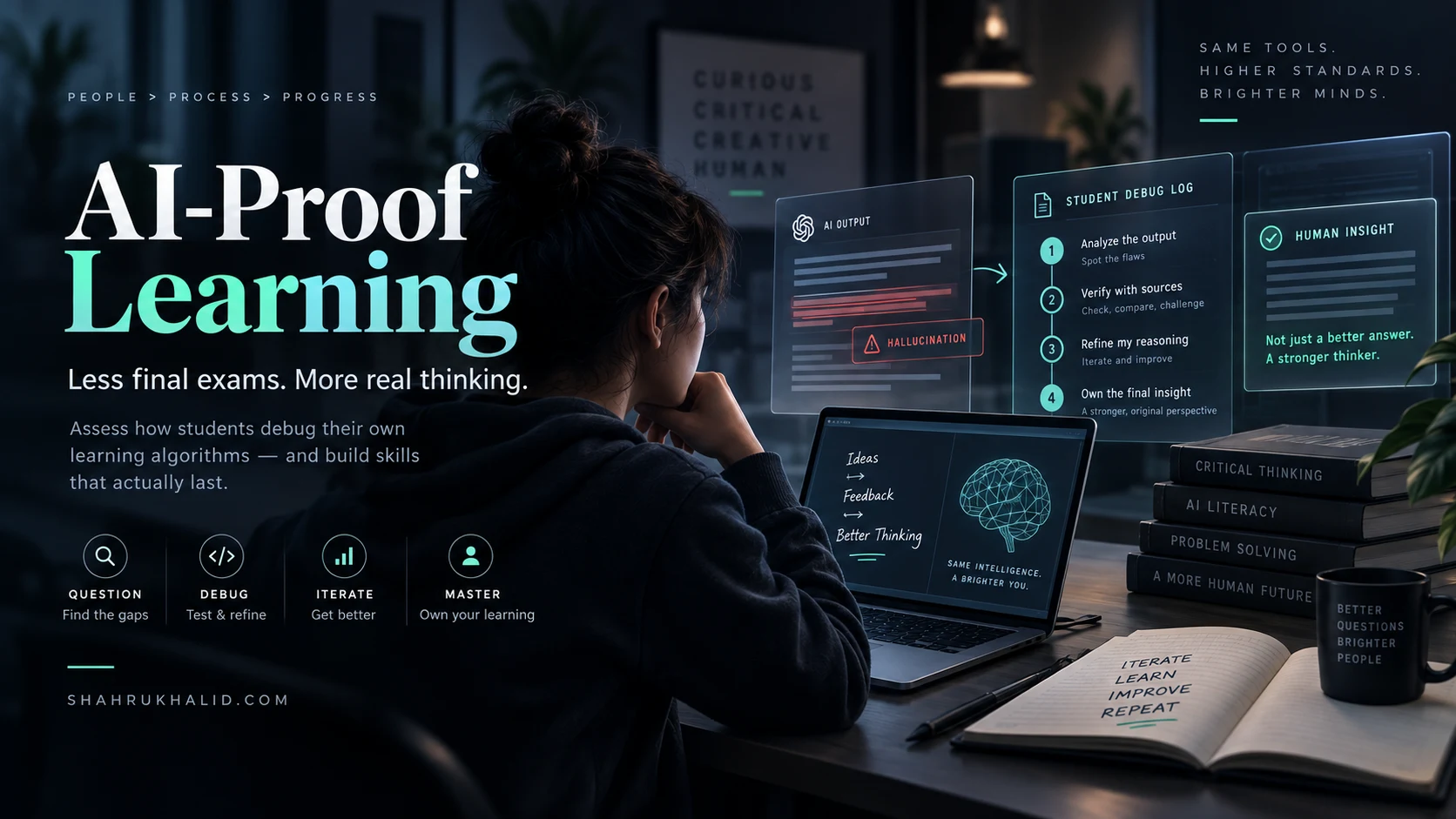
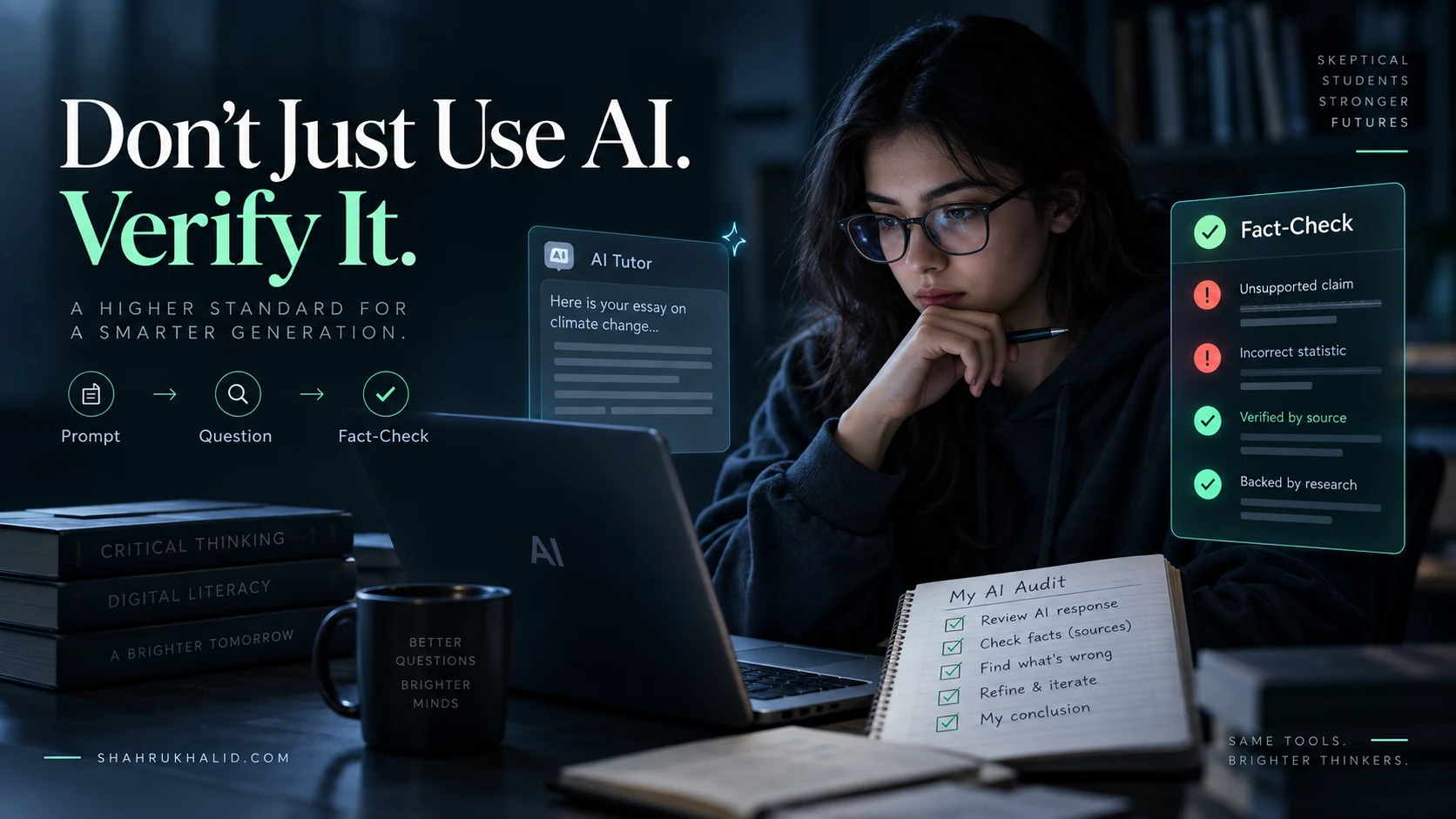
- The Peer-Review Loop: AI provides the initial feedback, but students must then verify that feedback against primary sources and peer discussion. This ensures that human judgment remains the final arbiter of truth.
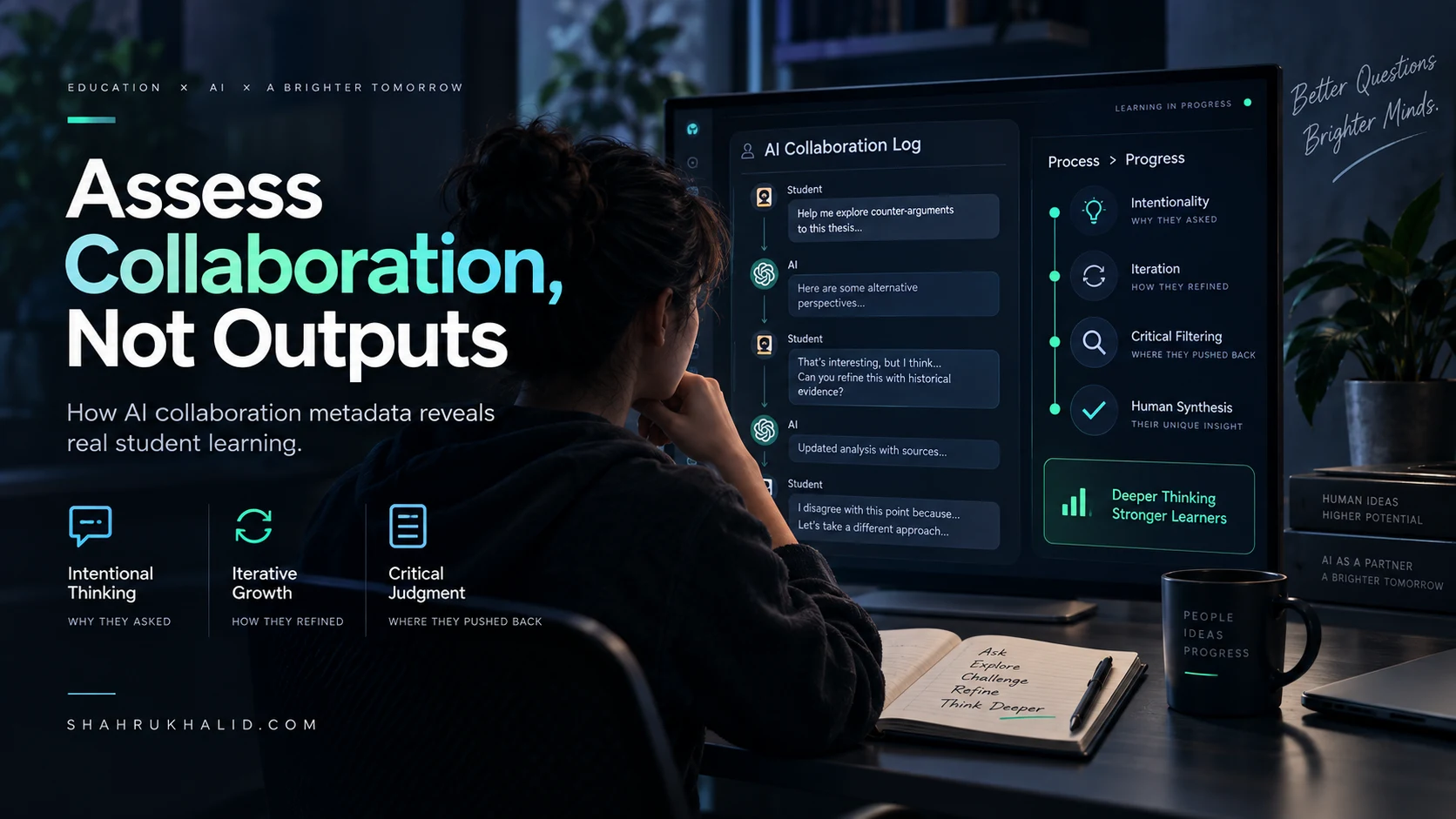
- Transparent Iteration: Encourage students to show their “work history” with the AI, documenting how their thinking evolved during the lab session. This values the journey over the destination.
The Role of AI in Education: Beyond the Cheating Narrative
The greatest barrier to adopting AI in the classroom is the pervasive fear of academic dishonesty. However, this fear stems from a design flaw in our assessments. If an assignment can be completed by a chatbot in ten seconds, the assignment was never truly testing critical thinking in the first place. By shifting to live labs, we neutralize the “cheating” narrative. If the AI is used in front of the teacher, it is no longer a tool for evasion; it is a tool for acceleration.
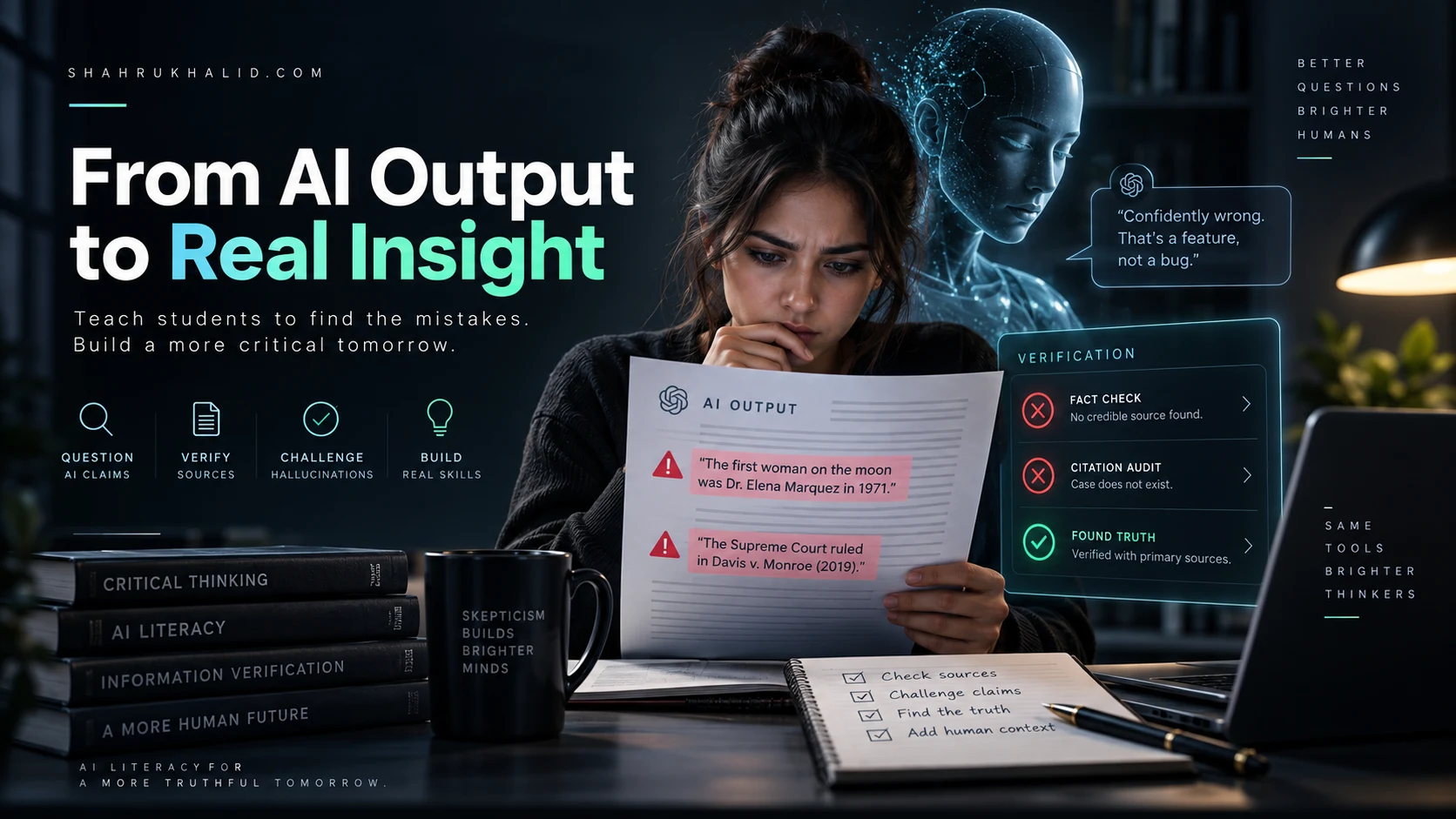
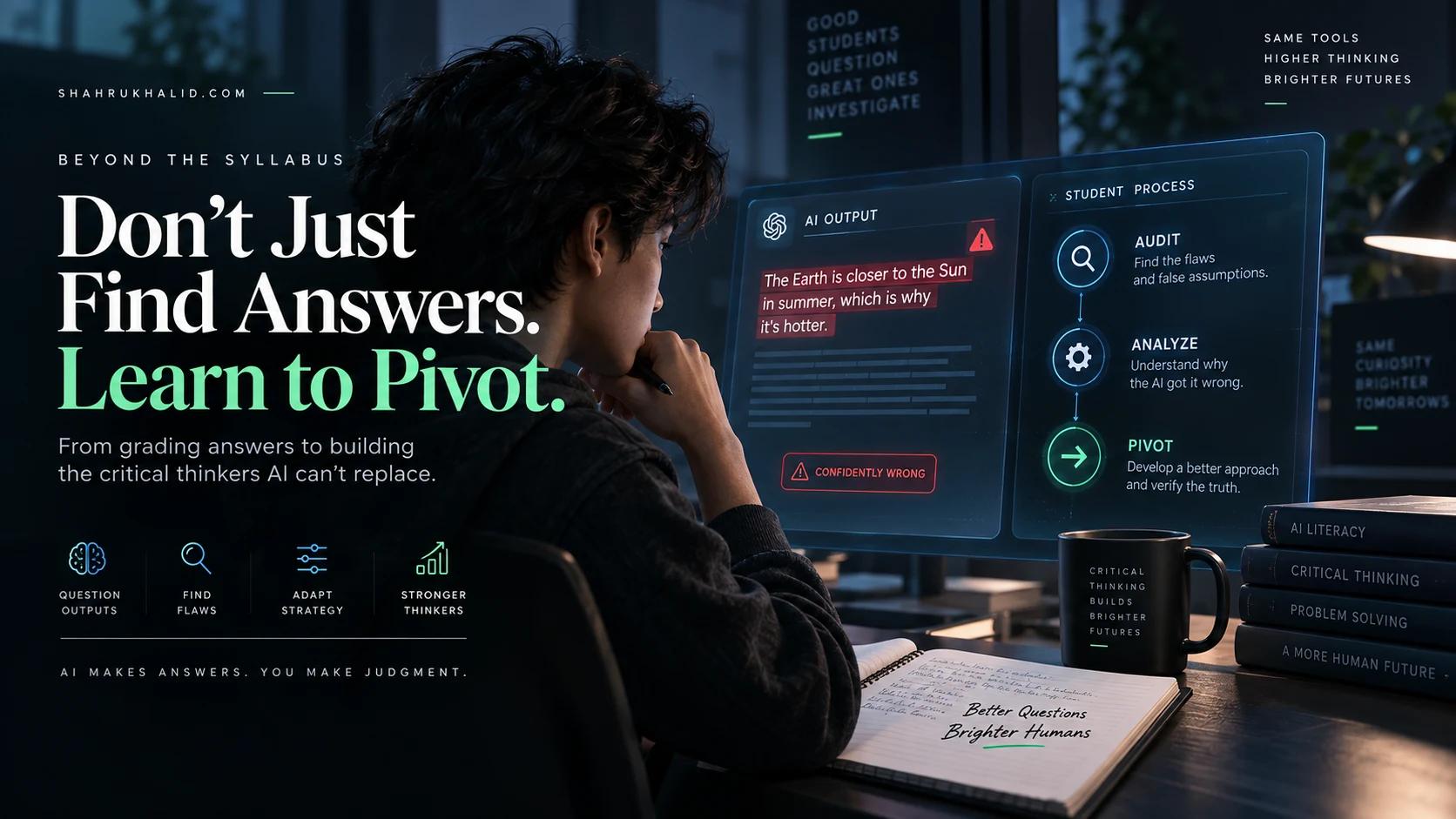
When students use AI in a live lab, they learn to navigate the limitations of the technology. They see where the AI hallucinates, where it provides generic advice, and where it excels at synthesizing complex data. This builds a sophisticated level of technological literacy that will be non-negotiable in the workforce of 2026 and beyond. We are not just teaching subjects; we are teaching students how to think alongside intelligent machines.
Transitioning Your Classroom: A Step-by-Step Guide
Moving away from take-home assignments is not a binary switch; it is a deliberate process of pedagogical evolution. Start by auditing your current curriculum. Identify which assignments rely on rote recall and replace them with high-inquiry lab sessions. Use the following framework to guide your transition:
- The Briefing: Begin the class with a 15-minute conceptual overview, setting the stage for the problem the students will solve.
- The Collaborative Phase: Allow students to use AI tools to research, brainstorm, and structure their responses. Encourage them to “interrogate” the AI to find flaws in their own premises.
- The Human Synthesis: Facilitate a group discussion where students present their findings. The goal is to move from the AI’s raw output to a nuanced, human-centered conclusion.
- The Reflection: Conclude with a brief written reflection on what they learned about the topic and what they learned about the process of using AI to explore that topic.
Measuring Success: Redefining Academic Outcomes
If we remove homework, how do we measure progress? We move toward competency-based assessments and live performance metrics. In a live lab, you can observe a student’s process in real-time. You see their frustration, their breakthroughs, and their ability to synthesize information. This is a far more accurate representation of their learning than a take-home worksheet. Success is measured by the quality of the questions asked, the depth of the collaboration, and the ability to apply knowledge to novel, messy scenarios.