Why I Stopped Assigning Homework and Started Teaching Students to Train Their Own Personal AI Research Assistants

Key Takeaways
- Traditional homework is obsolete; AI makes rote assignments ineffective for learning or assessing critical thought.
- Educators should shift from assigning homework to teaching students to train personal AI research assistants.
- This approach redefines students as AI architects, orchestrating knowledge engines rather than consuming information.
- Training AI involves curating data, advanced prompt engineering, and iterative refinement for deep subject mastery.
- The goal is to move students from repetitive cognitive labor to high-level critical thinking and knowledge orchestration.
The Death of Homework and the Birth of the AI-Augmented Scholar
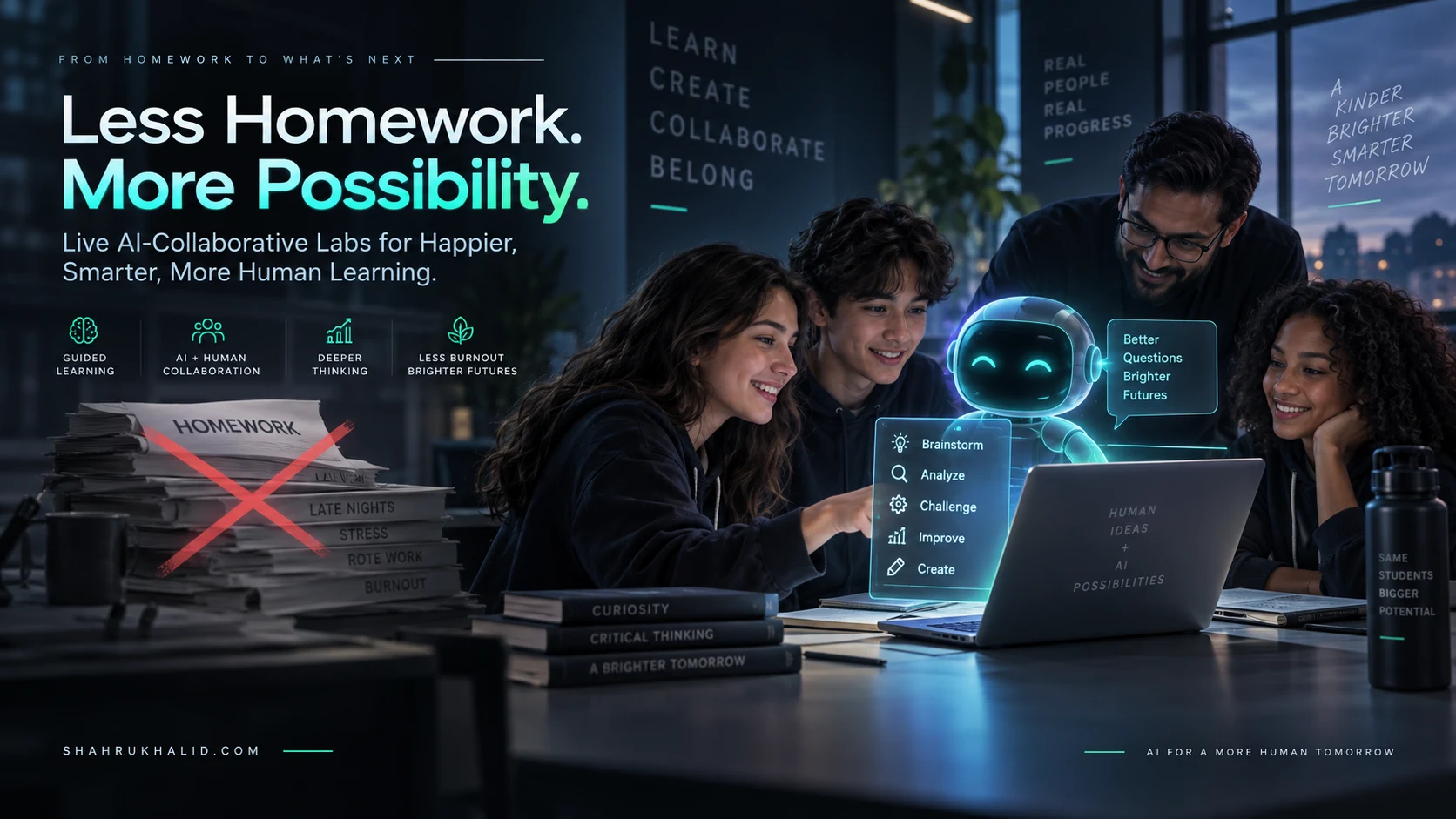
For decades, the educational system has treated homework as a necessary ritual of rote reinforcement, yet we have reached a breaking point where traditional assignments no longer measure intelligence, but rather the speed of a student’s search engine queries. I stopped assigning homework not because I wanted to lighten the load, but because I realized that forcing students to perform repetitive cognitive labor is a disservice in an era where every student can, and should, train their own personal AI research assistant to handle the heavy lifting of information synthesis.
The Cognitive Stagnation of Traditional Homework
Traditional homework was built on the premise of the “factory model” of schooling—standardized inputs leading to standardized outputs. When we assign a worksheet or a rote essay, we aren’t testing mastery; we are testing the student’s ability to replicate information they have already processed in class. In the current landscape of AI in education, this model is fundamentally broken. If a student can prompt a model to write a summary of a chapter in seconds, the assignment itself is no longer a tool for learning; it is an obstacle to it.
I watched my students struggle with “busy work” that stifled their curiosity. They were spending hours formatting citations and organizing notes, leaving them zero time for the high-level critical thinking that actually defines an educated mind. The shift away from homework is not about removing rigor; it is about shifting the focus from output to orchestration. By teaching students to train their own AI research assistants, we move them from being mere consumers of information to becoming conductors of a personal knowledge engine.

Redefining the Student as an AI Architect
The transition starts with a shift in mental models. A student is no longer a passive receptacle of knowledge; they are the architect of a digital cognitive partner. When we talk about “training” an AI research assistant, we aren’t talking about writing complex machine learning code or managing server clusters. We are talking about teaching students how to curate data, define parameters, and iterate on the feedback loops that make a Large Language Model effective for their specific learning goals.
This process involves three foundational pillars:
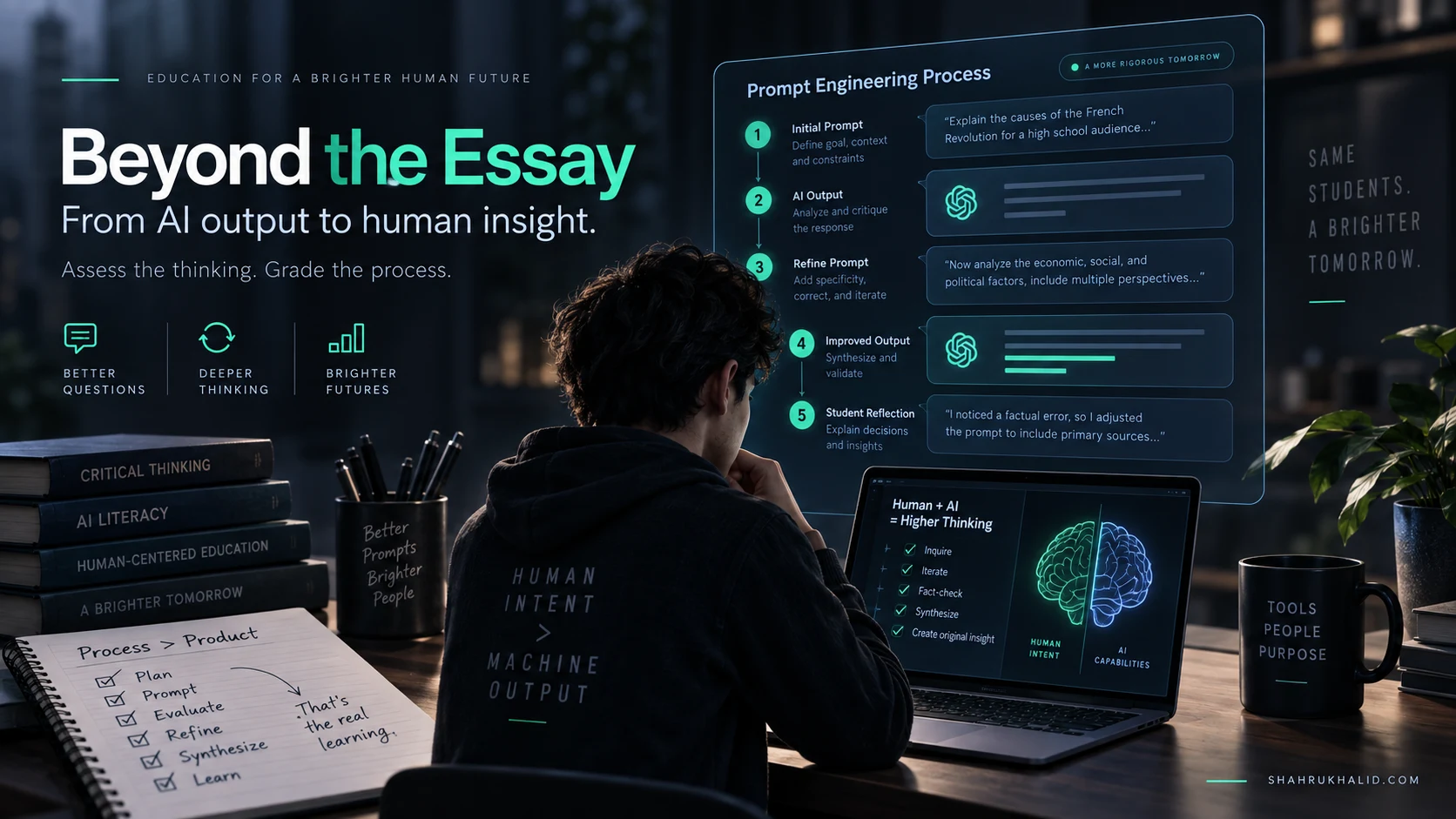
- Knowledge Curation: Students learn to feed their AI high-quality, vetted sources rather than relying on the “hallucinations” of a generic web-search model.
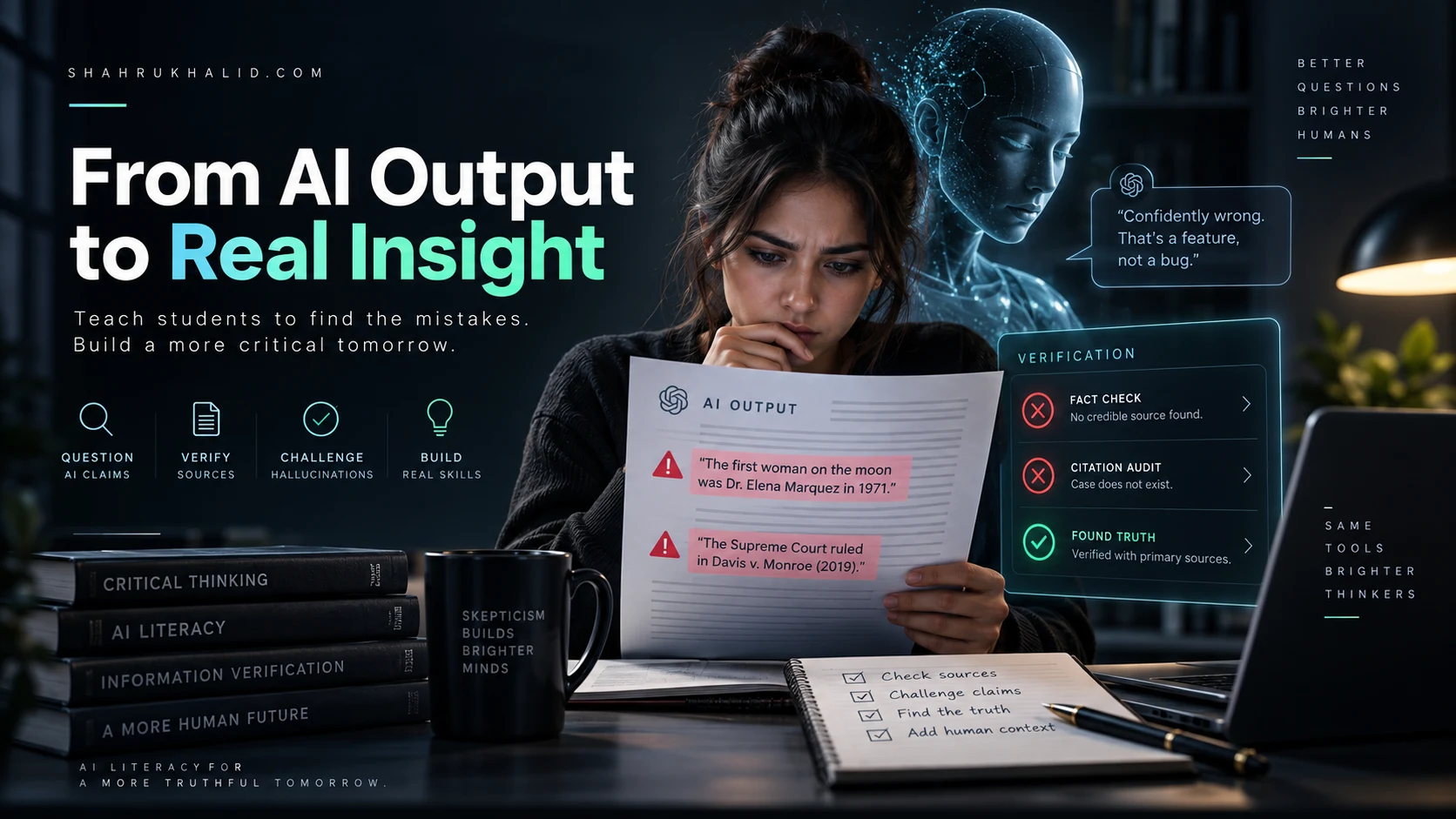
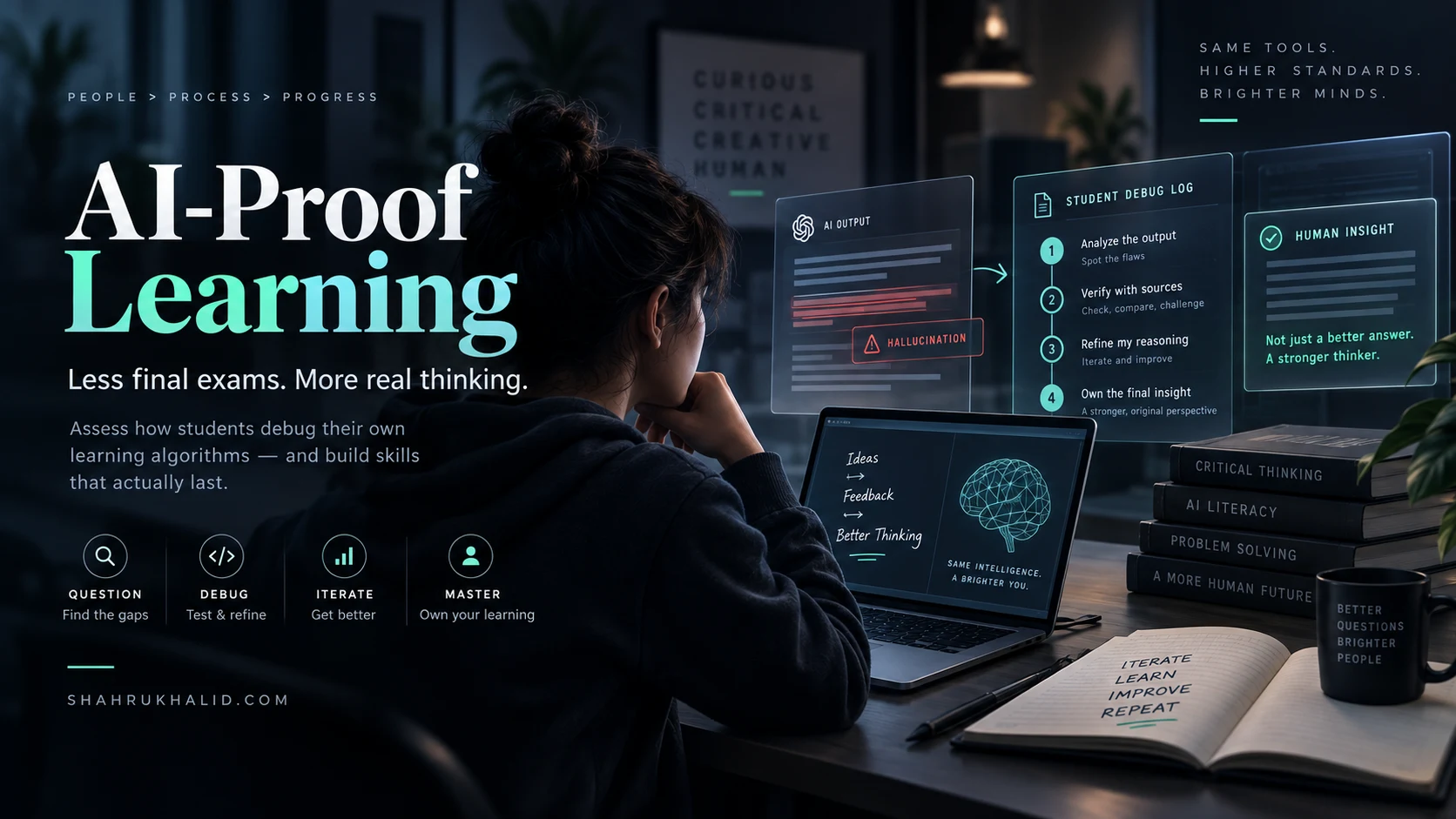
- Prompt Engineering as Logic Formulation: Instead of asking the AI to “write an essay,” students learn to ask the AI to “act as a critical reviewer of my thesis, identifying logical fallacies and gaps in historical evidence.”
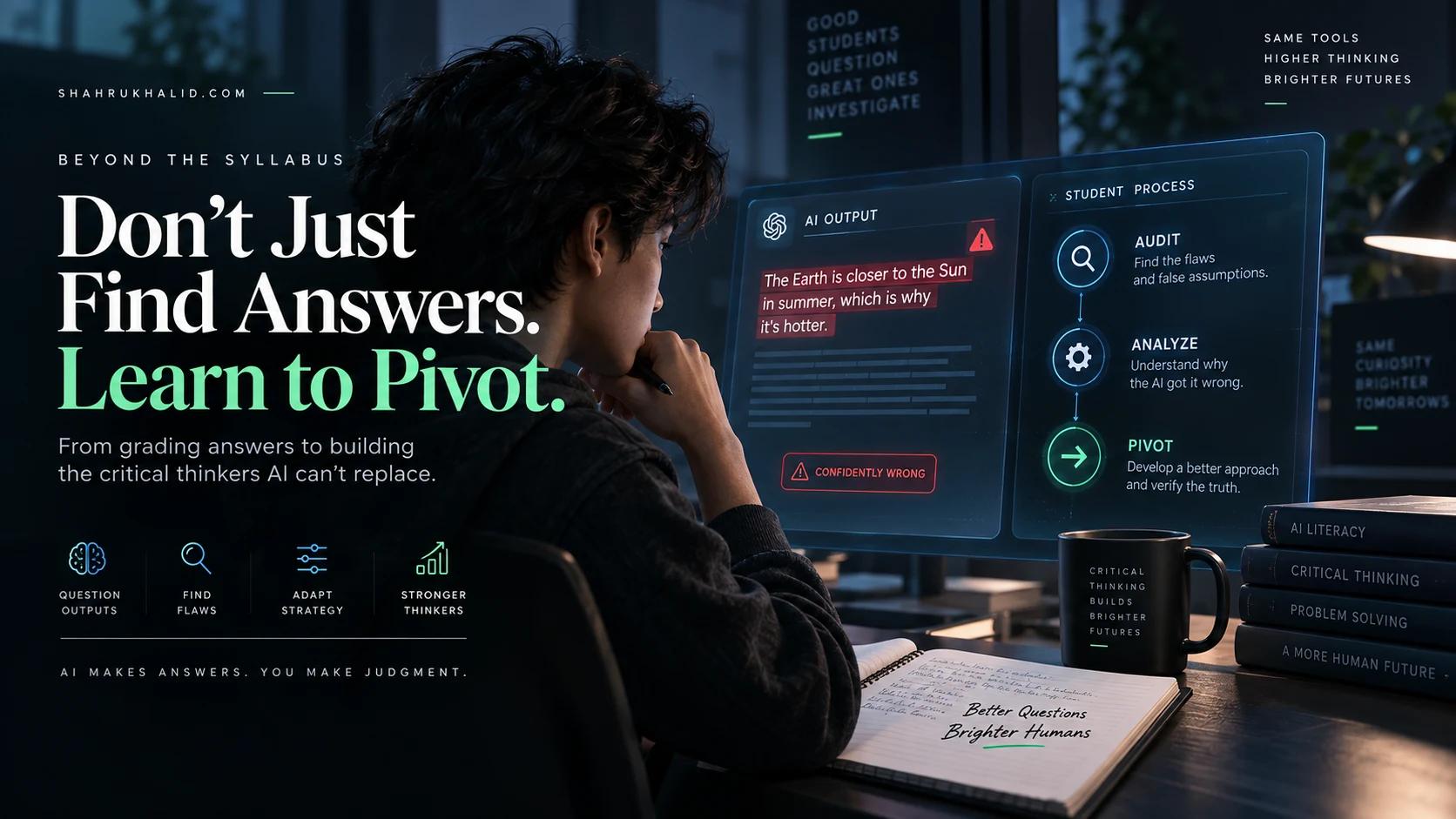
- Iterative Refinement: The student treats the AI like a junior researcher, correcting its errors and refining its tone, which forces the student to demonstrate deep mastery of the subject matter.
The Pedagogy of the Personal Knowledge Engine
In my classroom, the “homework” is now the development of a personal digital library. Students spend their time outside of class curating a knowledge base—a collection of articles, data points, and primary sources—that they then use to “teach” their AI assistant how to think about a specific topic. If we are studying the Industrial Revolution, a student doesn’t just read the textbook; they gather primary accounts, economic data, and sociological critiques to feed into their assistant.
This approach leverages AI in education to foster true critical thinking. When the student asks their assistant to compare the economic impacts of the steam engine versus the internal combustion engine, they must first verify the assistant’s output against their curated data. They become the editor-in-chief of their own learning. This process transforms the student from a student of the teacher into a student of the subject, utilizing technology as a force multiplier for their own intellect.
Navigating the 2026 Landscape of AI Tools
By 2026, the barrier to entry for training personal AI has collapsed. We are moving away from monolithic, one-size-fits-all models toward personalized, modular agents. Students now have access to “notebook-style” AI interfaces where they can upload specific PDFs, datasets, and lecture transcripts to create a closed-loop environment. This prevents the AI from wandering into irrelevant internet noise and keeps it focused on the specific academic domain at hand.
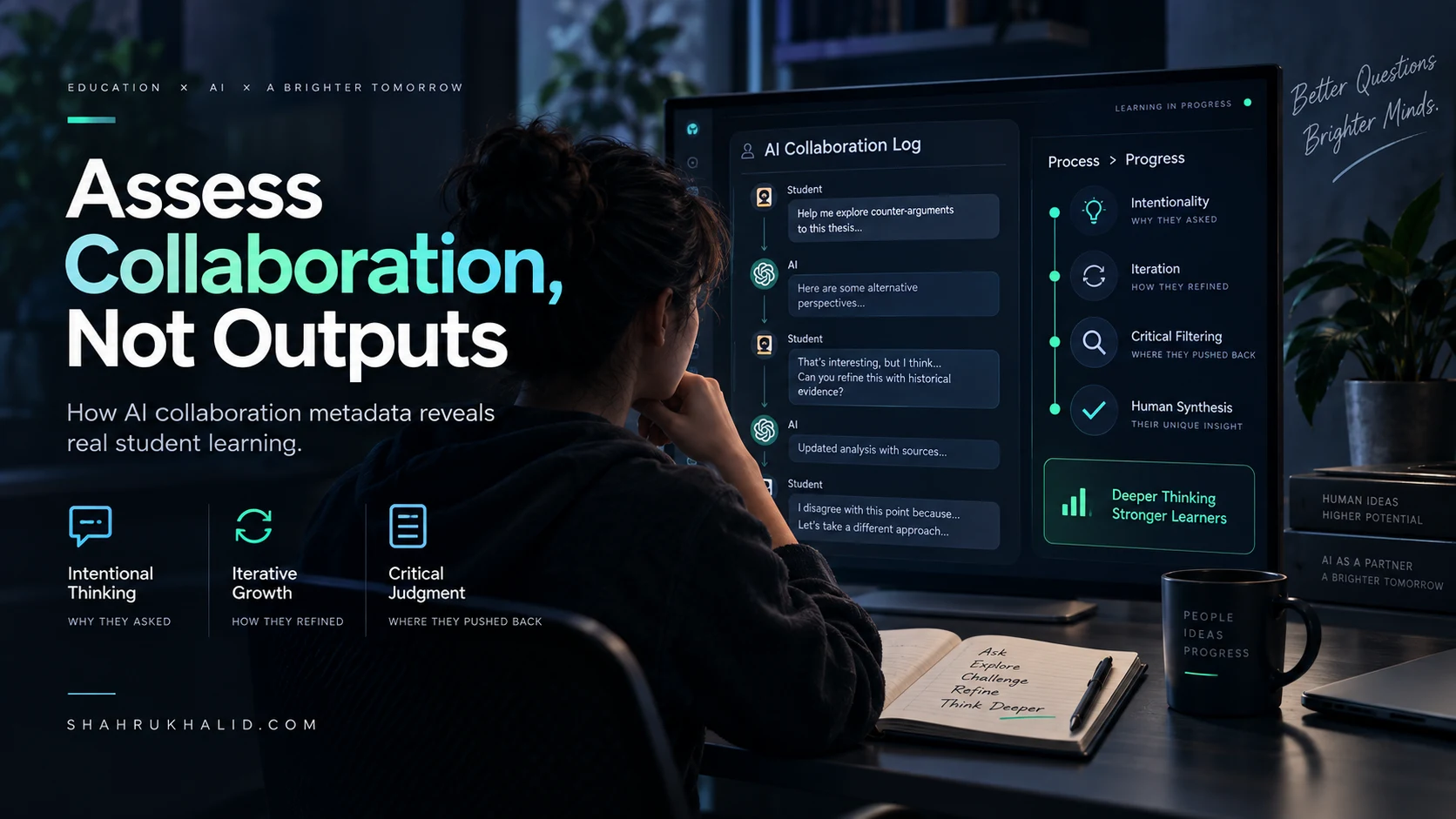
The focus for teachers is no longer on grading homework but on auditing the AI’s “training data” and the student’s interaction history. This is the new frontier of assessment. I don’t look at a finished product anymore; I look at the conversation log between the student and their AI. I look for the moments where the student challenged the AI, corrected its assumptions, or forced it to synthesize conflicting viewpoints. That is where the real learning happens.
Overcoming the Fear of Academic Integrity
The immediate pushback I receive from colleagues is the fear of cheating. If students have AI assistants, won’t they just let the AI do the work? My response is simple: if the work can be done entirely by an AI, it wasn’t worth doing in the first place. When we design assignments that require the student to demonstrate the process of training their assistant—showing the evidence they gathered, the prompts they iterated on, and the critiques they performed—cheating becomes impossible because the “work” is the intellectual journey, not the final document.
We must embrace the reality that AI in education is not a threat to the human mind, but a mirror reflecting our own need to upgrade our pedagogical standards. If our assessments cannot withstand the presence of an AI, our assessments are the problem, not the students.