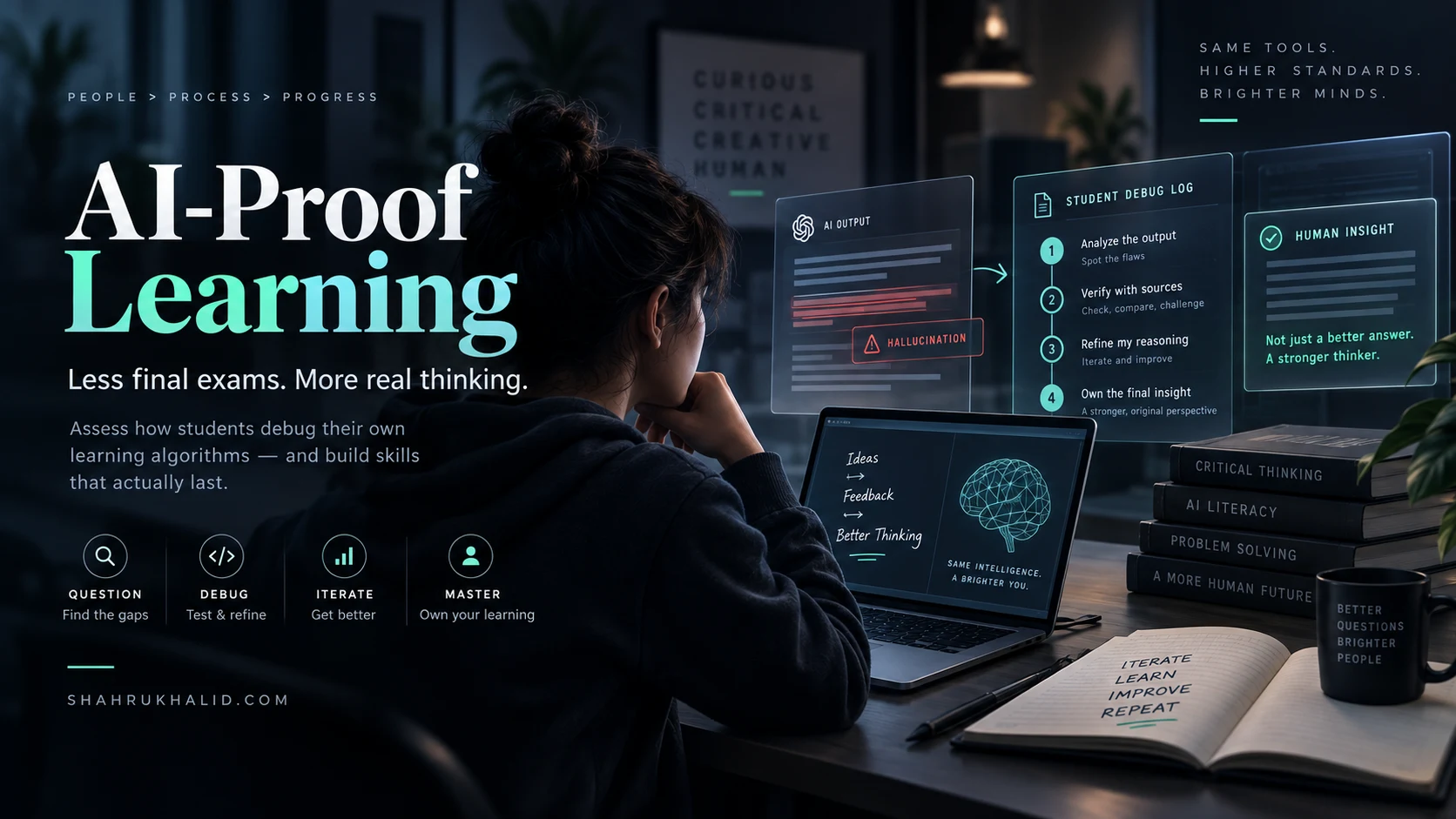
Beyond the Prompt: Why I Stopped Teaching Students to Ask AI Questions and Started Teaching Them to Build Their Own Learning Engines
Key Takeaways
- Prompt engineering fosters dependency and bypasses cognitive struggle, hindering true intellectual growth.
- Shift pedagogy from asking AI questions to students building personalized learning engines for knowledge construction.
- A learning engine is a personal system for intake, verification, and creative knowledge synthesis.
- Students become knowledge architects, building systems to test hypotheses, not just information consumers.
- AI functions as a component within student-led systems, extending cognition, not as a magic answer button.
The Death of the Prompt: Moving Toward Cognitive Architecture
For the past two years, the educational landscape has been obsessed with the “perfect prompt,” effectively turning students into glorified search engine operators rather than critical thinkers. As an EdTech coordinator, I have realized that teaching students to merely ask AI questions is a pedagogical dead end; instead, we must shift our focus to teaching them how to build their own personalized learning engines that curate, synthesize, and iterate on knowledge over time.
The Fallacy of the Prompt-Engineering Pedagogy
When we teach students “prompt engineering,” we are inadvertently teaching them to treat AI as an oracle—a black box that spits out answers in exchange for the right incantation. This is not AI literacy education; it is merely a new form of digital window shopping. In a classroom environment, this creates a dependency cycle where the student’s intellectual growth is tethered to the quality of the AI’s output rather than the depth of their own inquiry.
The problem with the “prompting” mindset is that it is transactional. You ask, you receive, you move on. Learning, however, is not a series of transactions; it is a cumulative process of building mental models. When a student treats AI as a search engine, they bypass the messy, beautiful work of cognitive struggle—the very struggle that creates long-term memory and conceptual mastery. To fix this, we must stop teaching students to extract information and start teaching them to construct architecture.
From Information Retrieval to Knowledge Synthesis
A learning engine is not a chat interface; it is a personal system for information intake, verification, and creative output. In my work as an EdTech coordinator, I have begun shifting my curriculum to focus on what I call “Cognitive Scaffolding.” Instead of asking an AI to “write an essay on the Industrial Revolution,” I guide students to build a system that cross-references primary sources, challenges historical biases, and synthesizes conflicting viewpoints.
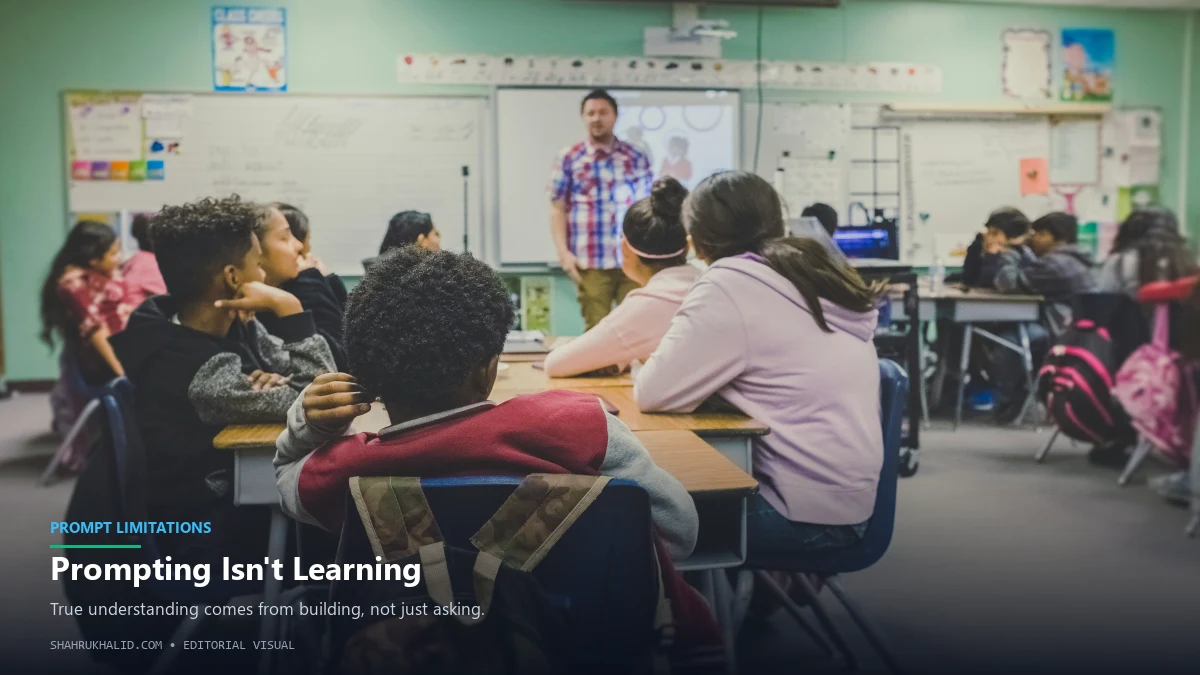
This approach changes the student’s role from a consumer to an architect. They are no longer asking for the “truth”; they are building a framework to test hypotheses. By treating AI as a component within a larger, student-led system, we move away from the “magic button” fallacy and toward a nuanced understanding of how synthetic intelligence can extend human cognition.
The Four Pillars of Personal Learning Engines
If we want to foster true AI literacy education, we must provide students with the structural components necessary to manage their intellectual growth. These four pillars transform the student from a passive user into a proactive designer of their own cognitive environment:
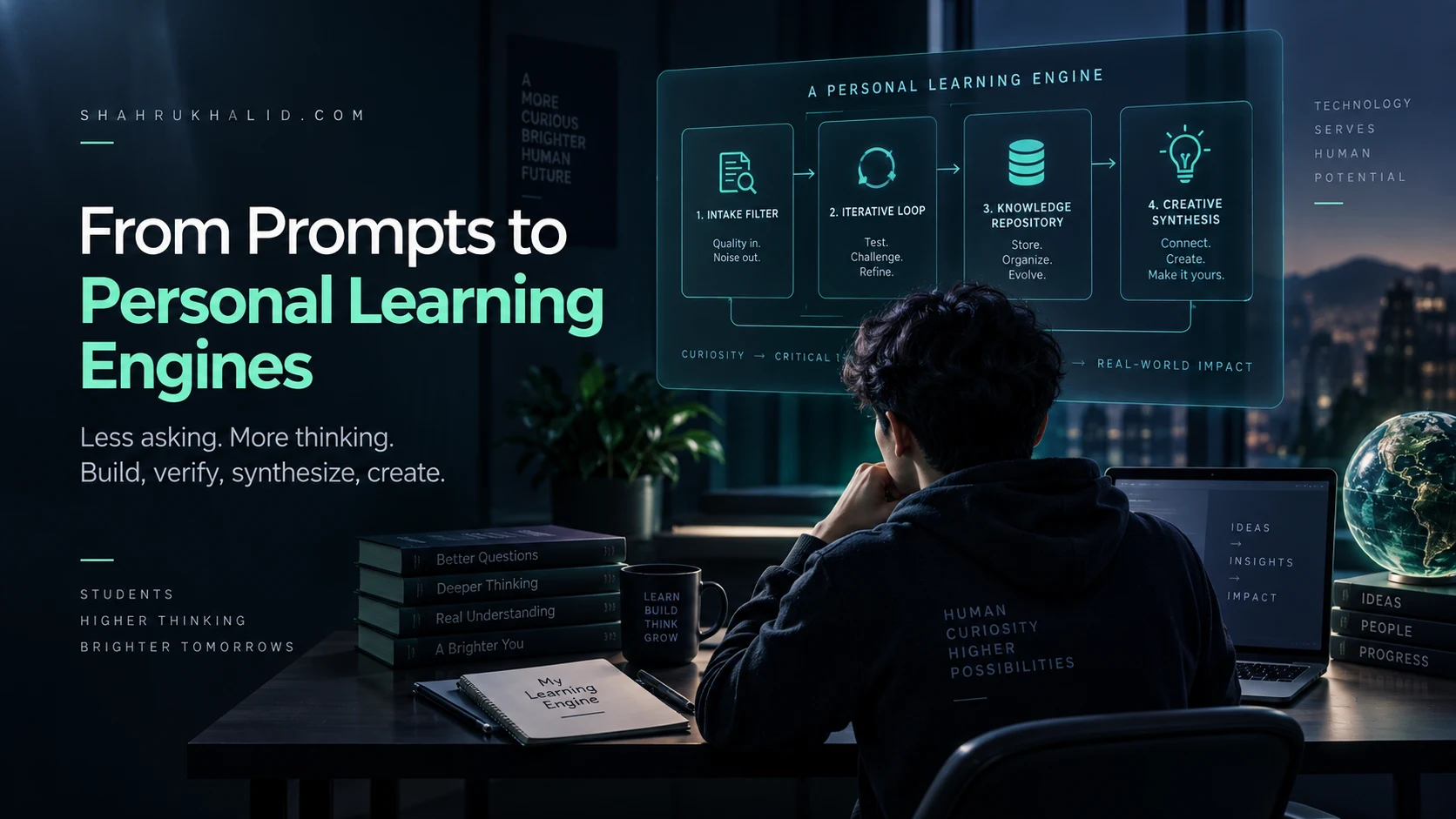
- The Intake Filter: Students must learn to evaluate the quality of data before it ever reaches their AI tools. This involves teaching them how to identify source credibility, recognize logical fallacies, and determine the “signal-to-noise” ratio of their chosen datasets.
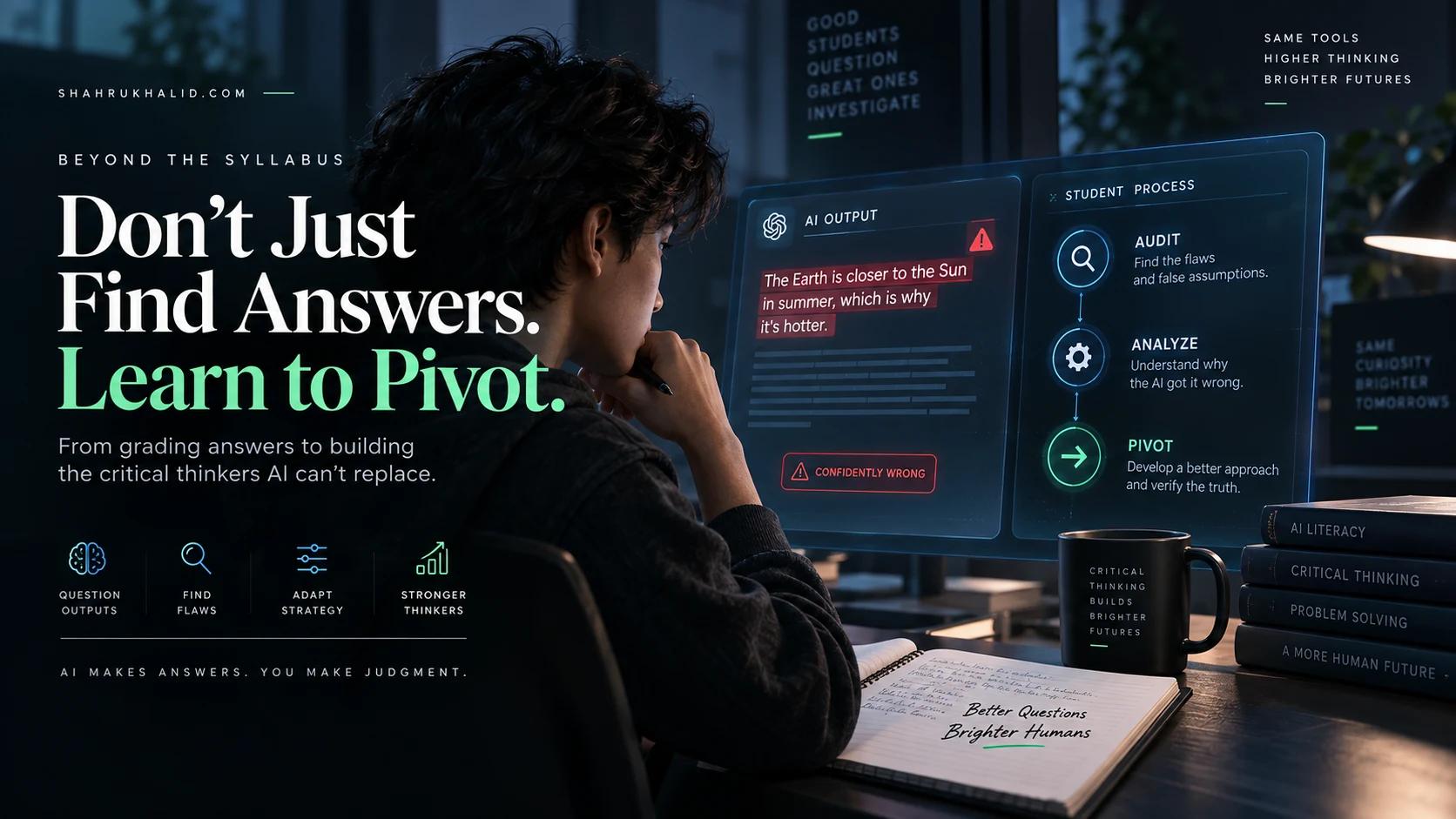
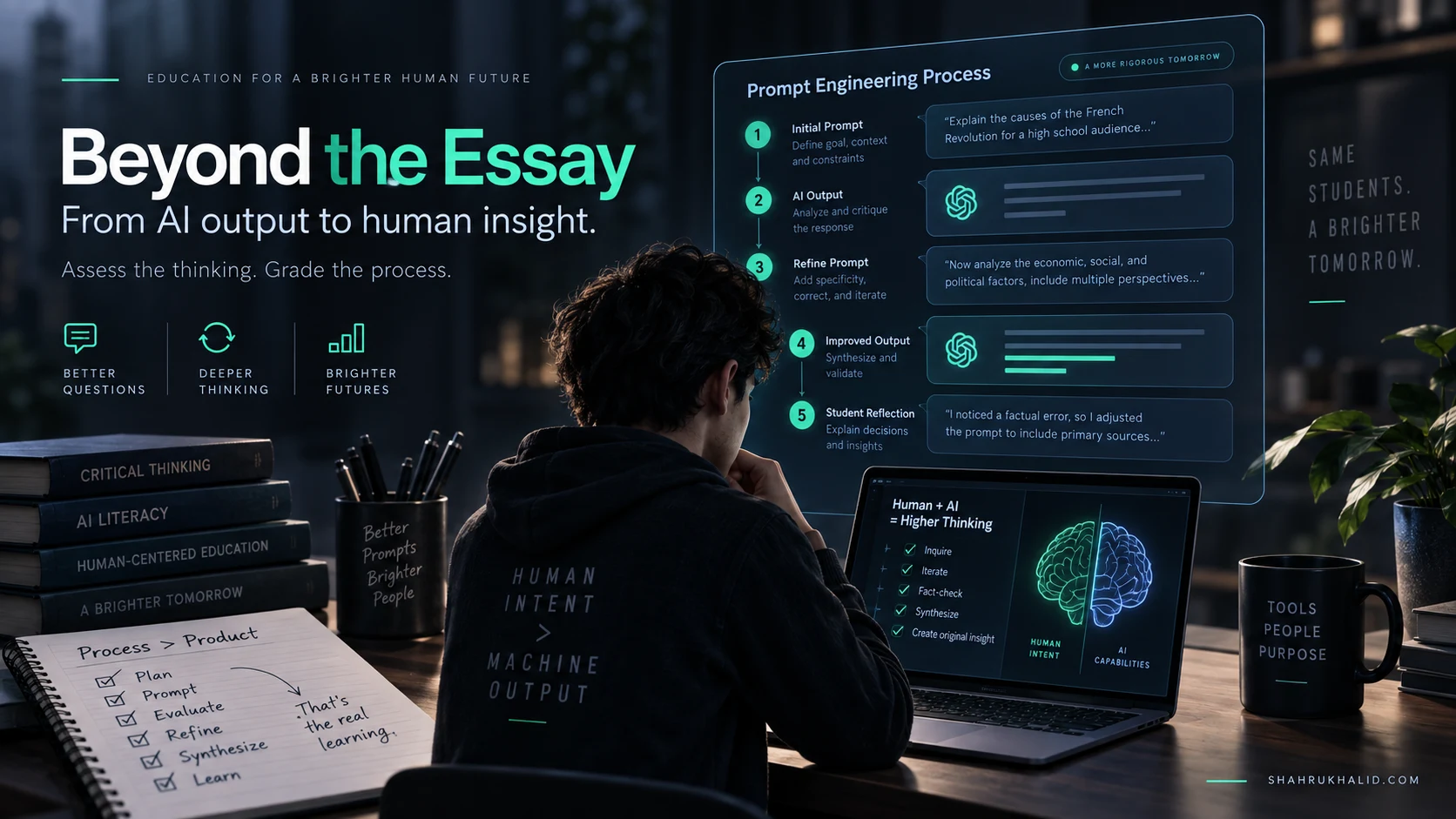
- The Iterative Loop: A learning engine requires constant feedback. Students should be taught to “stress test” AI outputs by asking the machine to argue against its own previous answers. This builds metacognitive awareness—the ability to think about one’s own thinking.
- The Knowledge Repository: Learning is fleeting if it isn’t stored. I encourage students to maintain a “Personal Knowledge Base” where they archive the insights gained from their AI interactions. This moves the learning from a temporary chat window into a structured, searchable, and evolving personal library.
- The Creative Synthesis: The final stage of the engine is output. The student must take the synthesized data and perform a task that requires human intuition, such as applying historical concepts to a modern social issue or creating a piece of art that challenges a technical assumption.
Designing the Classroom for Cognitive Autonomy
As educators, our role is to act as the “system architects” for the classroom. We must stop policing the use of generative AI and start designing assessments that rely on the student’s ability to manage their learning engine. If an assignment can be completed by a single prompt, the assignment is the problem, not the student’s use of technology.
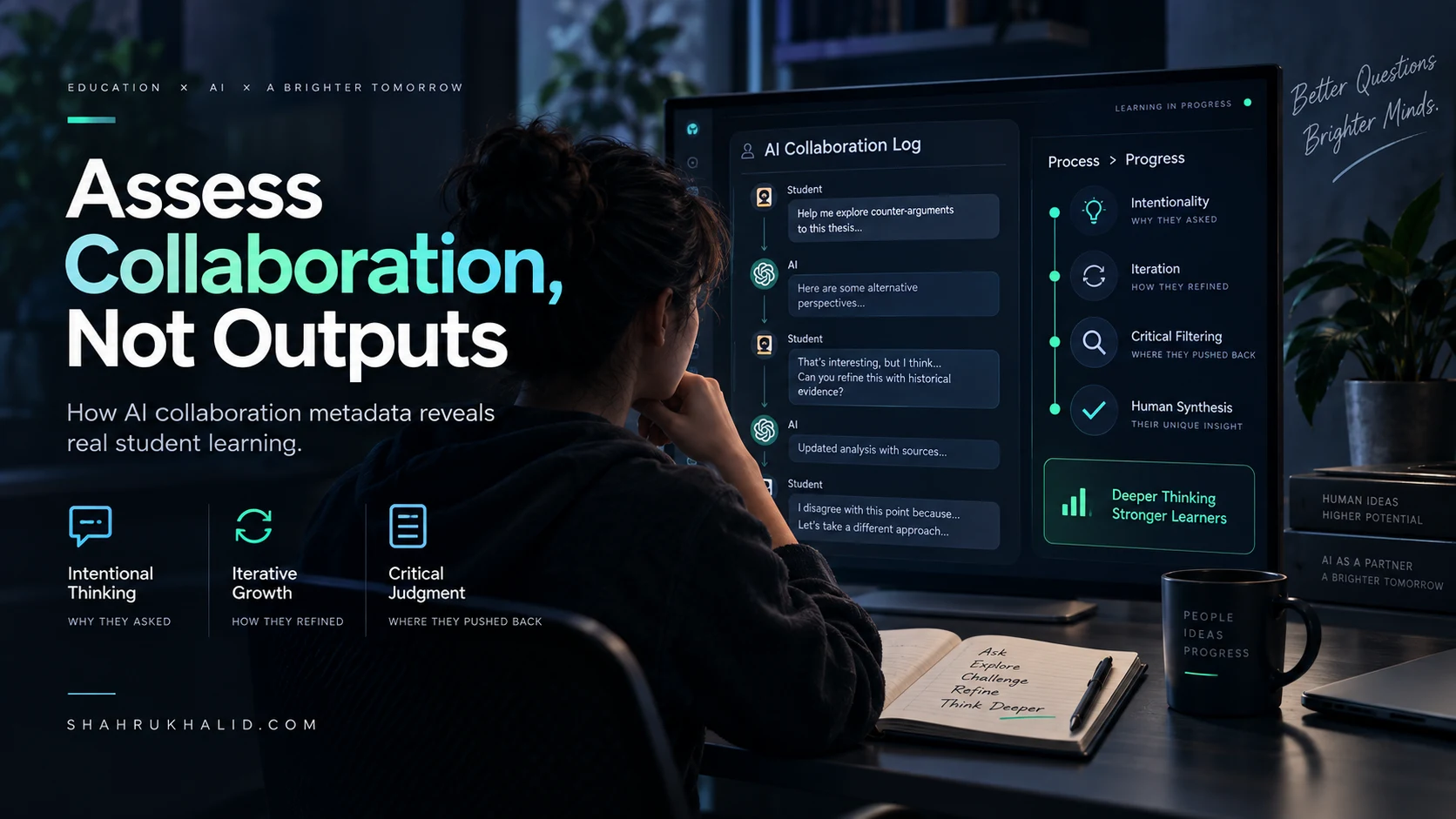
In practice, this means moving toward long-form, inquiry-based projects. For example, rather than a final paper, students might be tasked with maintaining a “Research Log” that documents how they used AI to refine their questions, how they verified AI-generated data, and where they intentionally departed from the AI’s suggestions to insert their own unique perspective. This is the essence of AI literacy education: the ability to maintain human agency while leveraging machine speed.
The Future of Agency in the Age of Synthesis
We are entering an era where the ability to “know” things is less valuable than the ability to “verify” and “synthesize” things. When students build their own learning engines, they are essentially building an external cognitive layer. They are learning how to manage the flow of information, how to direct the focus of their tools, and how to maintain a critical distance from automated outputs.
The transition from “prompting” to “engineering learning” is not just a shift in terminology; it is a shift in power. By teaching students to build their own engines, we are giving them the tools to remain the masters of their own intellectual development, ensuring that technology serves them rather than the other way around.