The Classroom Without Walls: How I Replaced Textbooks with Real-Time AI Mentorship to Spark Student Curiosity Again
Key Takeaways
- AI mentorship replaces static textbooks, shifting students to active, iterative discovery.
- AI provides real-time, personalized scaffolding, connecting curriculum to student interests and current data.
- Teachers become learning architects, leveraging AI as a 24/7 tutor and research assistant.
- AI mentors engage students in Socratic dialogue, challenging assumptions with latest scientific consensus.
- Implementing AI requires a deliberate pedagogical shift, moving beyond static curricula to dynamic learning.
The Classroom Without Walls: How I Replaced Textbooks with Real-Time AI Mentorship to Spark Student Curiosity Again
For decades, the standard textbook served as the static anchor of the classroom, offering a curated but frozen snapshot of human knowledge that rarely survived the first month of a school year. By replacing these obsolete paper relics with real-time AI mentorship, I discovered that we aren’t just updating our tools; we are fundamentally shifting the student’s relationship with curiosity from a passive reception of facts to an active, iterative pursuit of discovery.
As an EdTech coordinator, I have spent the last several years watching the friction between traditional curricula and the modern digital landscape. We teach students to navigate a world that is moving at exponential speeds, yet we ask them to learn from resources that are updated every five to seven years. The integration of AI in education is not about replacing the teacher; it is about removing the wall between the student and the vast, dynamic ocean of information that defines our current era. When a student asks, “Why does this matter?” they no longer receive a pre-canned answer from a textbook chapter; they engage in a Socratic dialogue with an AI mentor that connects the curriculum to today’s headlines, their personal interests, and the specific gaps in their understanding.
The Death of the Static Curriculum
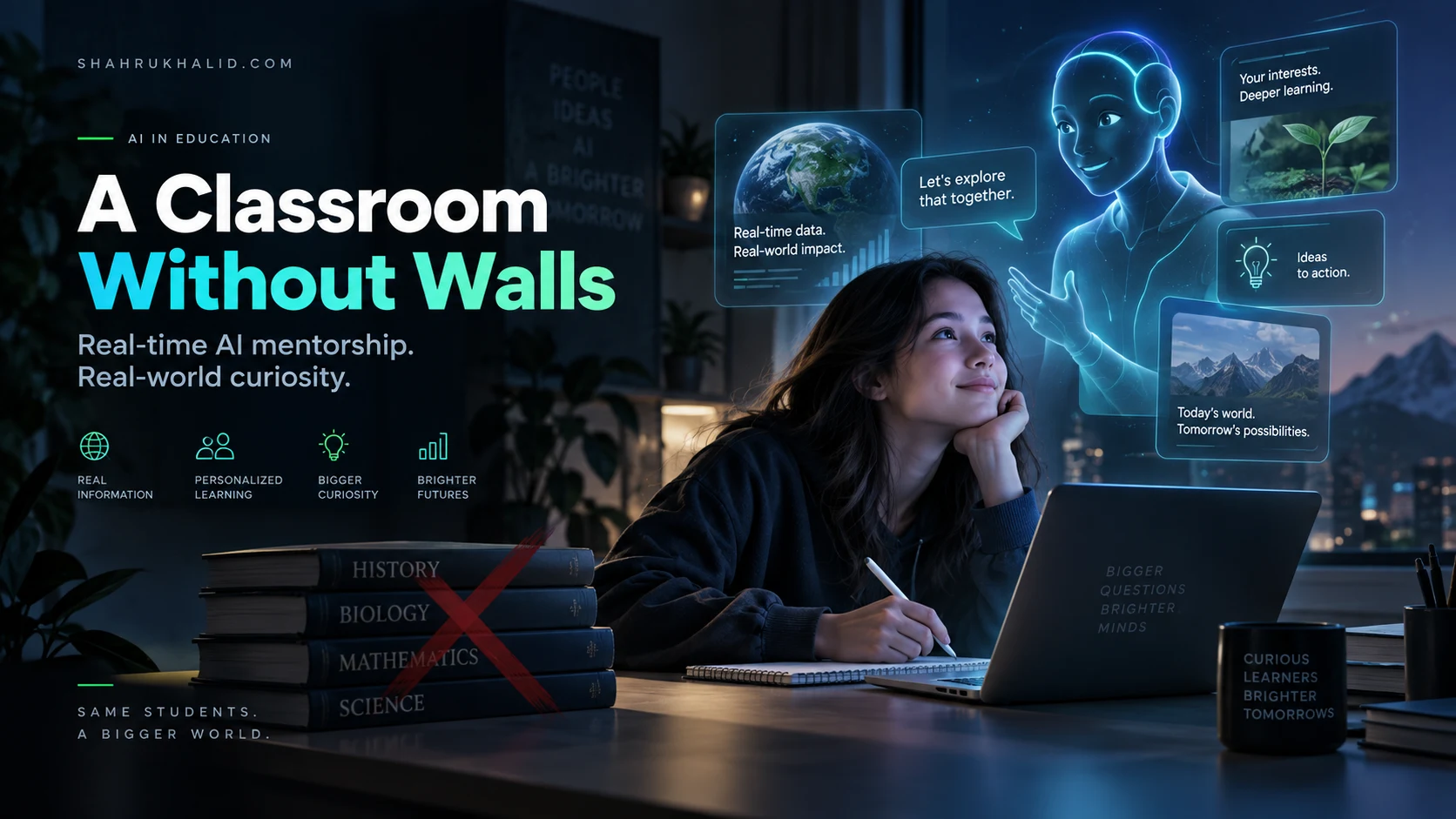
The textbook is a closed system. It is a one-way street where information flows from the author to the student, with no room for dialogue or adjustment. When we introduce AI in education, we are effectively opening the classroom walls. Imagine a student studying the impact of climate change. In a traditional setting, they might read a three-year-old graph in a textbook. In my classroom, the student engages with an AI mentor to analyze real-time data feeds from current satellite imagery and environmental sensors. The mentor guides them through the complexity, asks them to formulate a hypothesis, and challenges their assumptions based on the latest scientific consensus.
This shift requires us to stop viewing the teacher as the primary source of truth and start viewing them as the architect of the learning environment. The AI mentor acts as a 24/7 tutor, a sounding board, and a research assistant. It provides the “scaffolding”—a pedagogical term for the support provided during the learning process—that is tailored to the individual learner’s pace. If a student is struggling with a foundational concept in biology, the AI doesn’t just repeat the text; it rephrases the explanation using an analogy that resonates with that specific student’s hobbies or previous experiences.
Designing the AI-Augmented Learning Workflow
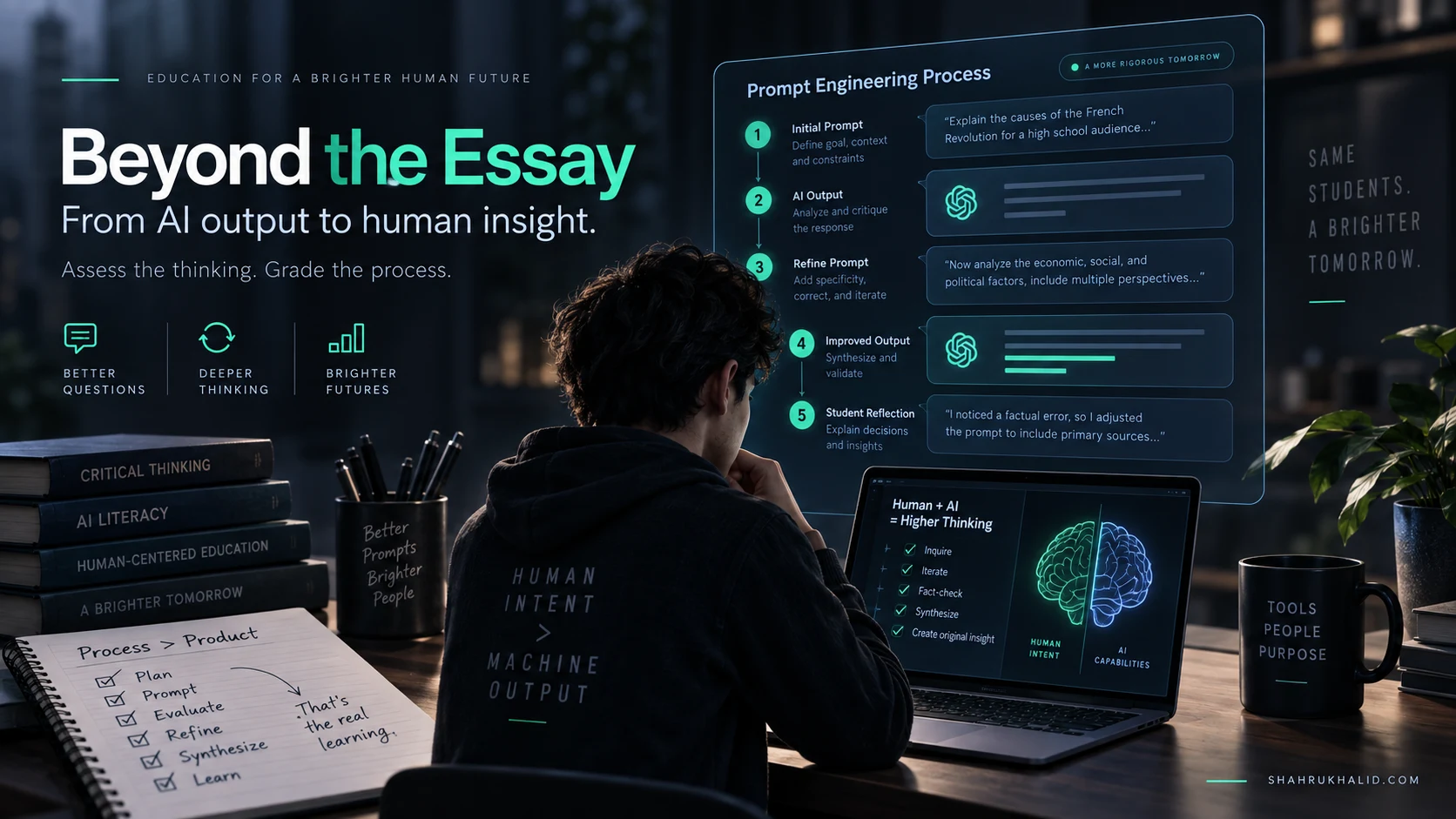
Implementing AI in education is not a “plug-and-play” scenario; it requires a deliberate shift in pedagogical strategy. The first step I took was to define the “AI Persona.” We configured our tools to act not as answer-machines, but as mentors. If a student asks for the answer to a math problem, the AI is programmed to ask, “What part of the process is currently blocking your progress?” instead of providing the solution. This distinction is vital. We are fostering critical thinking, not outsourcing the cognitive load to an algorithm.
The workflow for a typical project now looks like this:
- The Provocation: Instead of opening a book, we start with a real-world problem or a “big question.”
- The Exploration: Students use AI mentors to gather diverse perspectives, check facts, and synthesize information from multiple reputable sources.
- The Synthesis: Students create a deliverable—a podcast, a digital model, or a persuasive essay—that demonstrates their mastery.
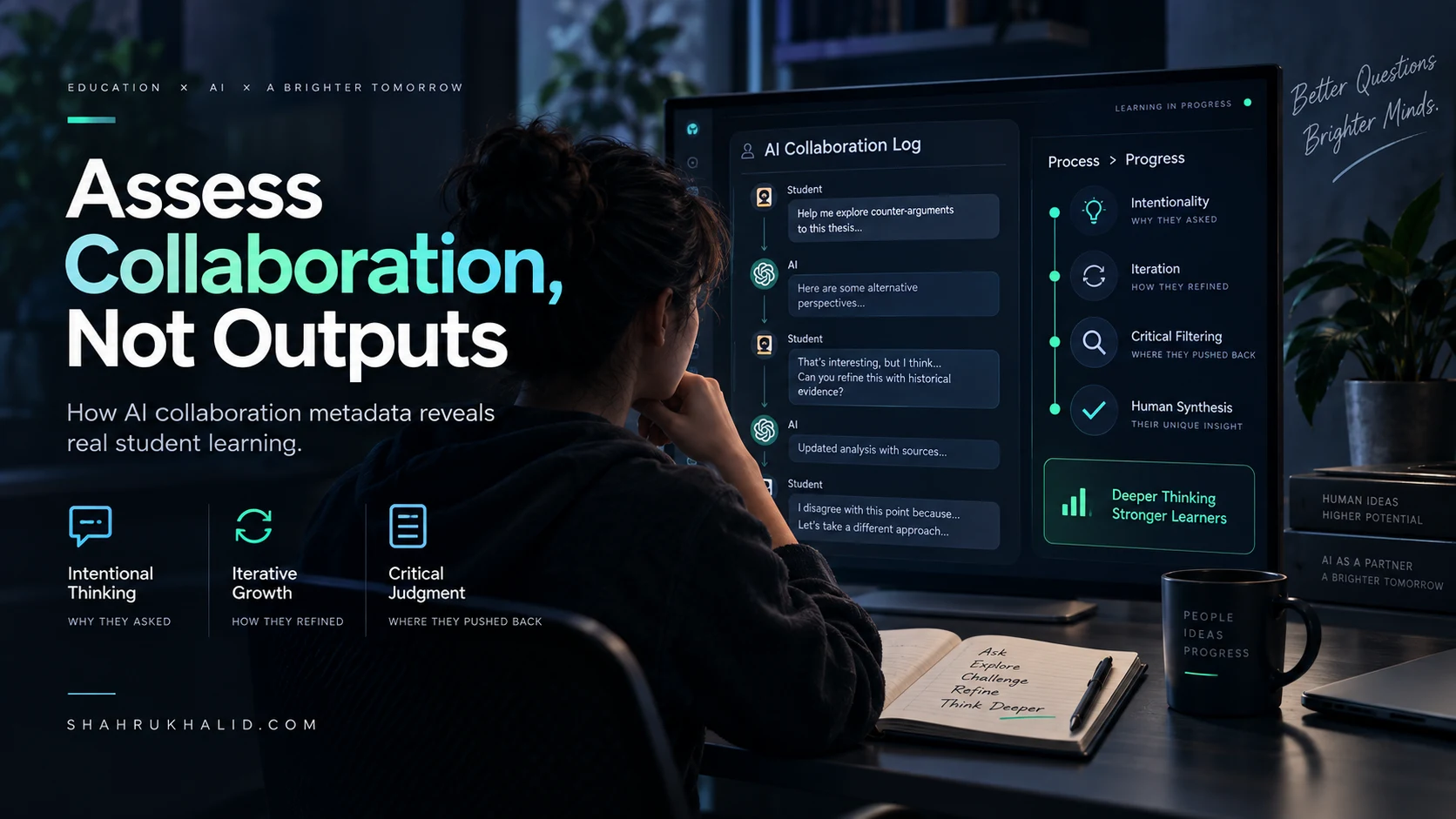
- The Reflection: The AI mentor helps the student evaluate their own learning process, highlighting where they struggled and how they overcame those hurdles.
The Human Element in a Digital Ecosystem
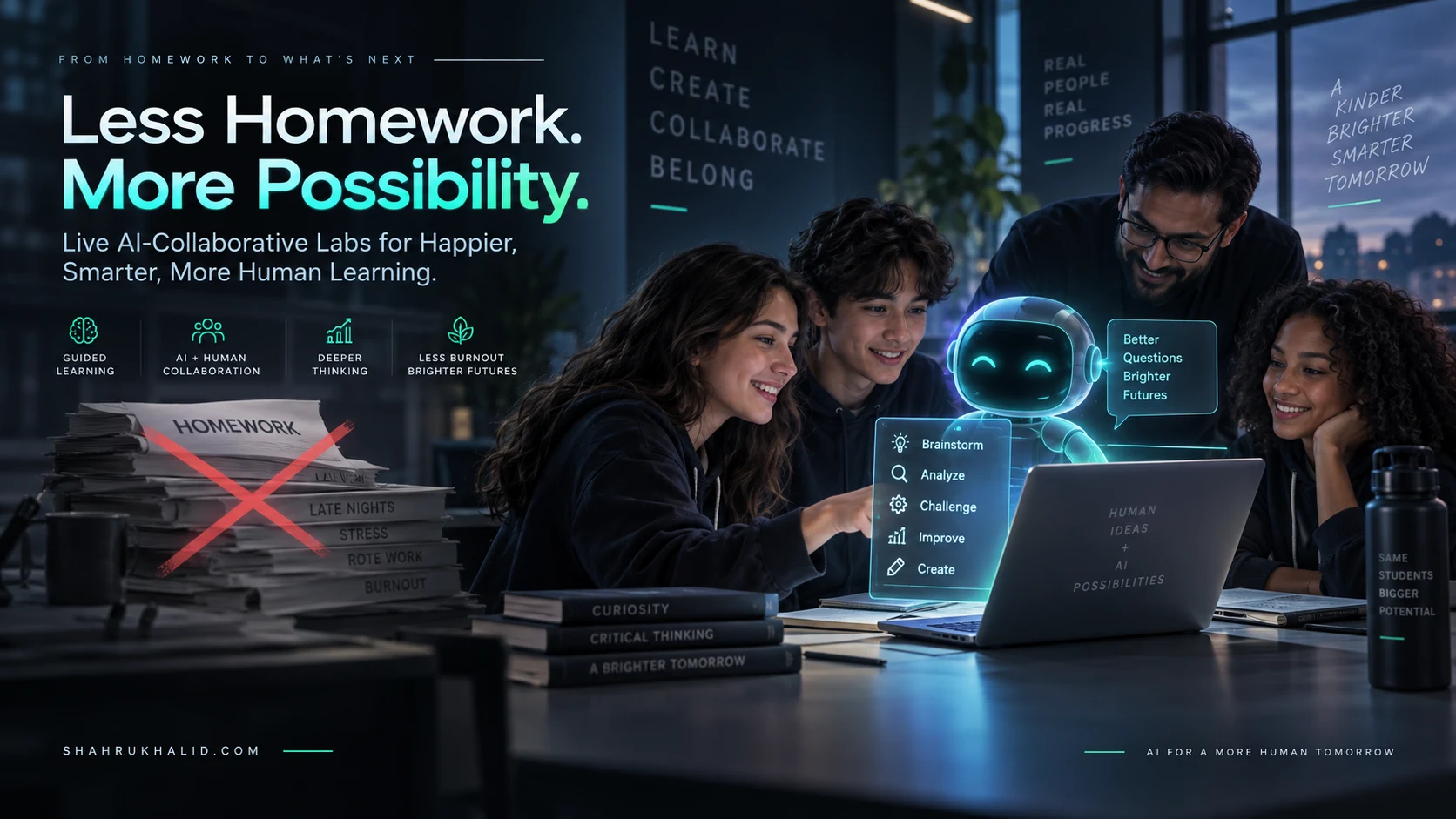
Critics often worry that AI in education will lead to isolation, but my experience has been the opposite. By offloading the repetitive, foundational tasks of information delivery to the AI, I have regained hours of instructional time to facilitate deeper, human-centric discussions. I am no longer standing at the front of the room lecturing; I am circulating, coaching, and observing. I am helping students navigate the ethics of AI, teaching them how to verify the outputs they receive, and facilitating peer-to-peer collaboration that the AI cannot replicate.
The “Classroom Without Walls” is about agency. When students realize they have access to a tool that can explain quantum physics, help them debug a line of code, or critique their creative writing in real-time, their engagement spikes. They stop asking, “Will this be on the test?” and start asking, “How can I build this better?” That curiosity is the ultimate goal of any educational system. The AI is simply the catalyst that makes that level of personalization possible at scale.
Navigating the Challenges of Implementation
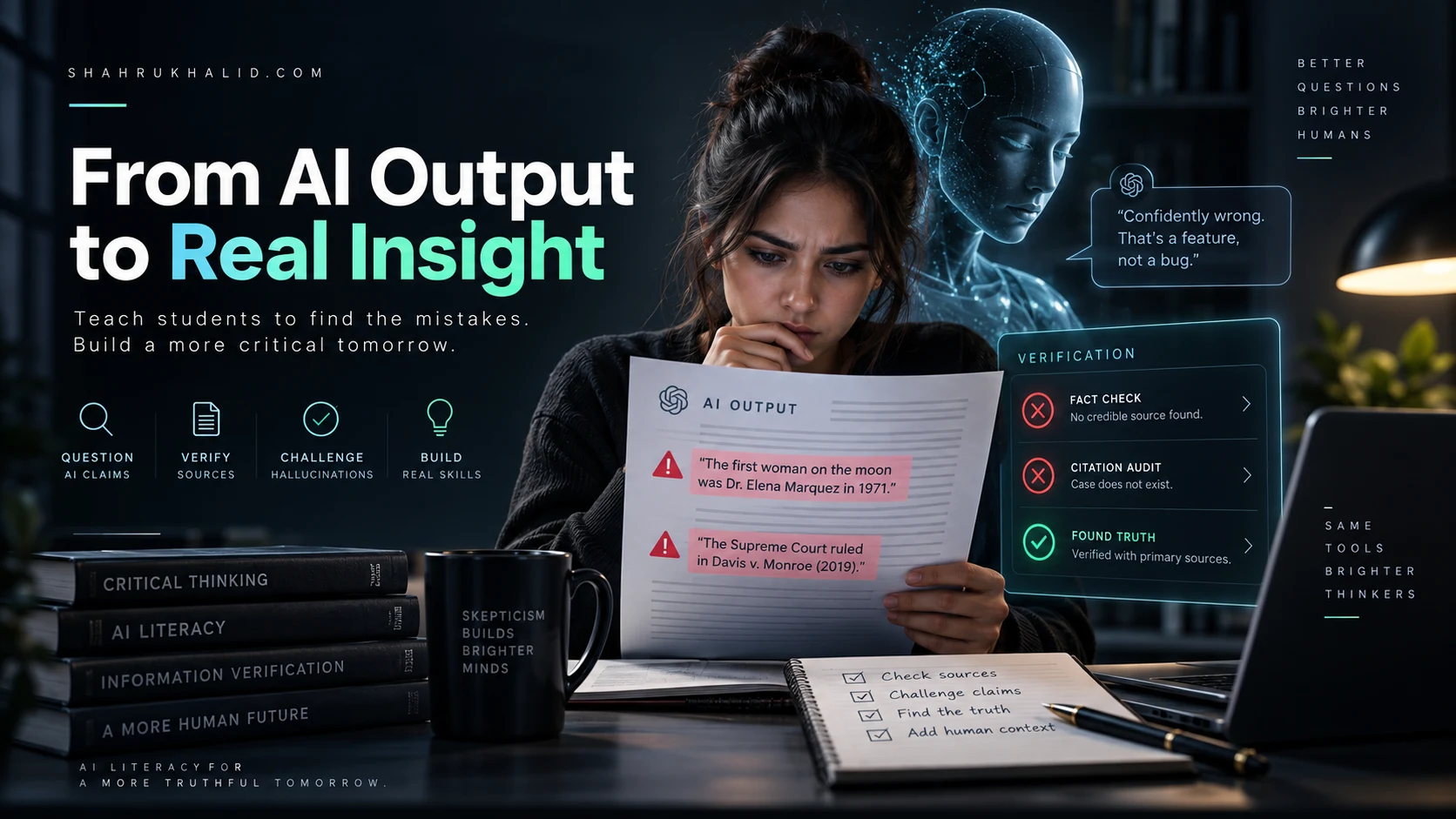
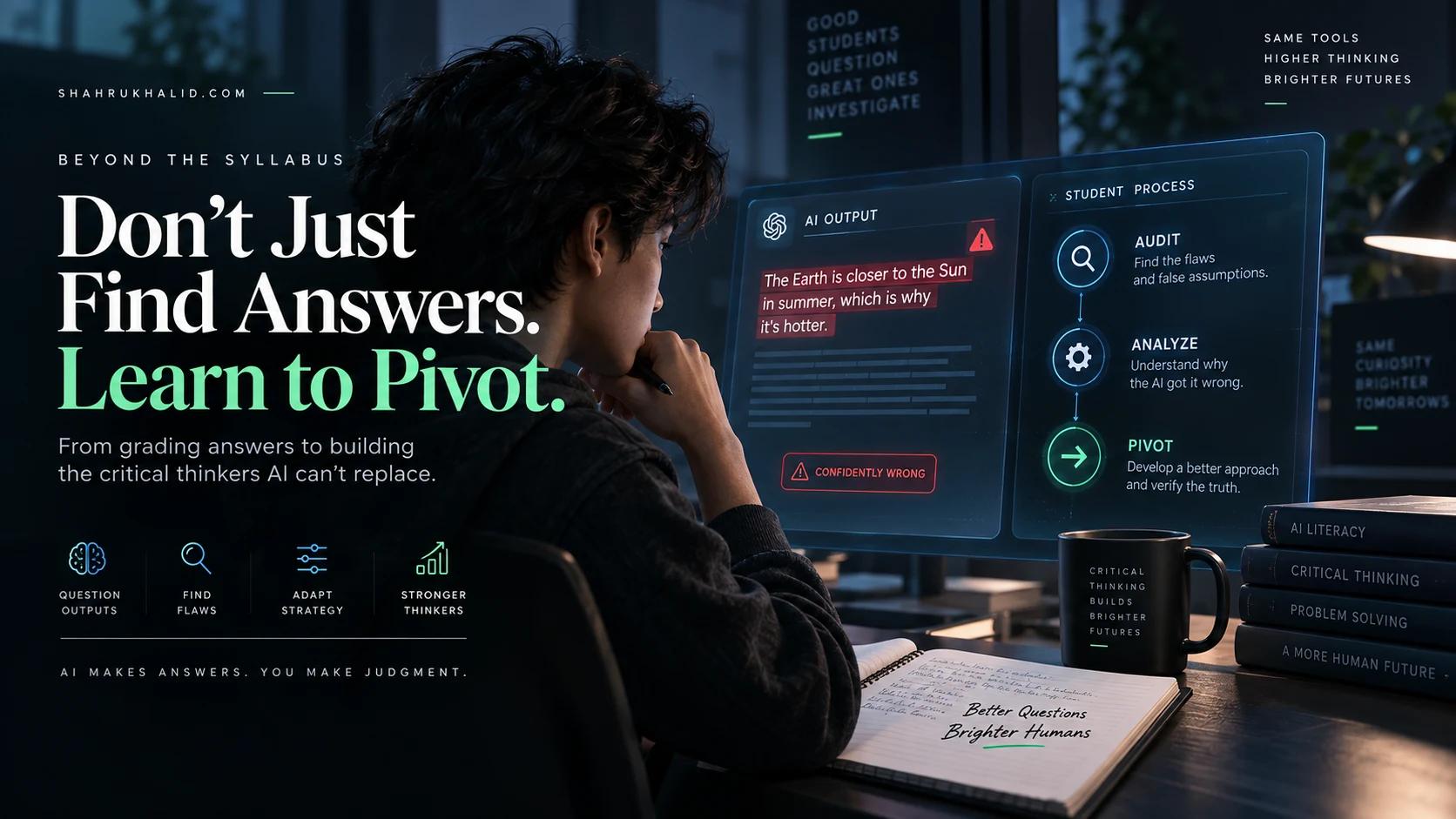
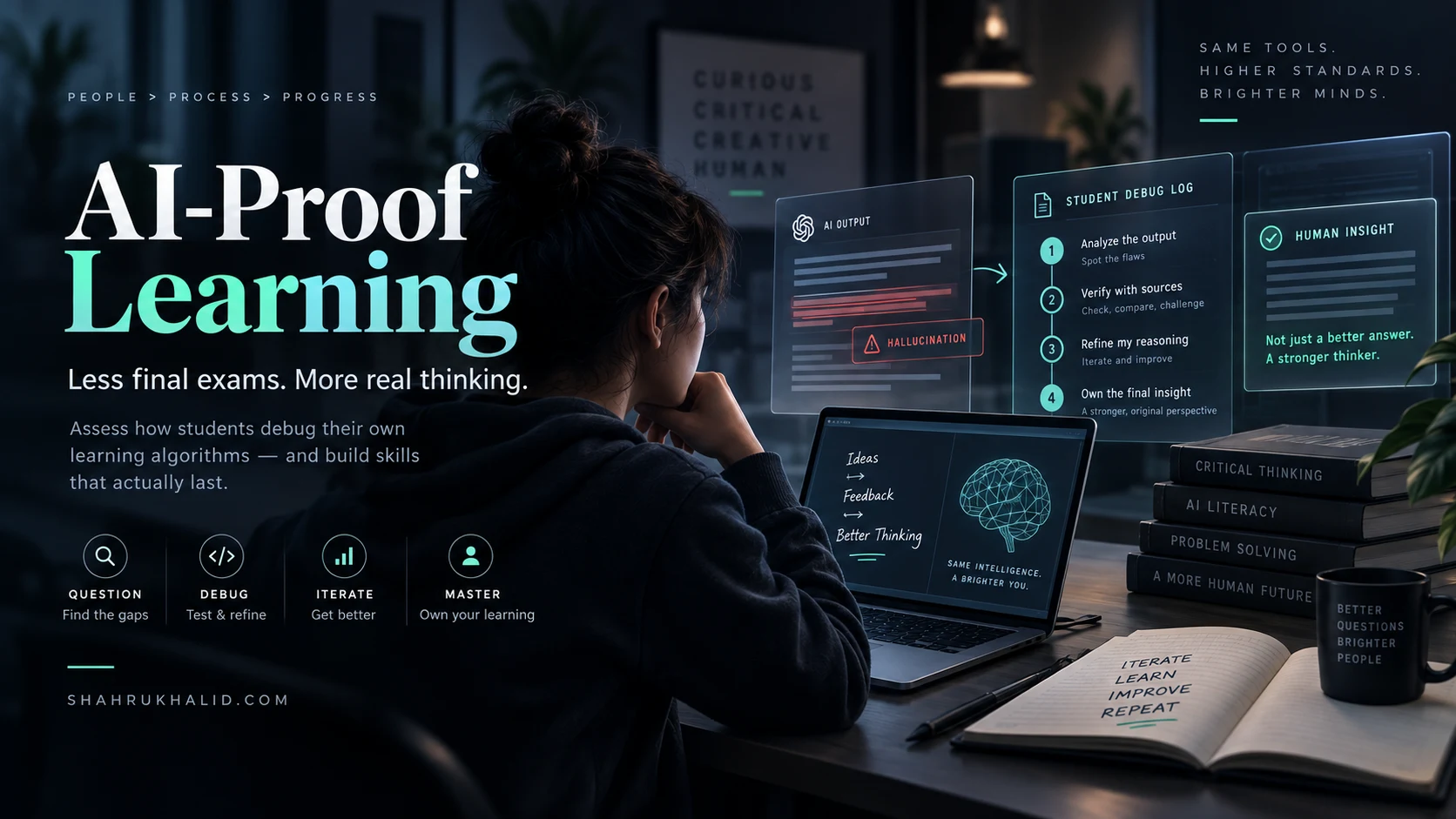
Transitioning away from textbooks is not without its hurdles. You will face resistance from stakeholders who equate “learning” with “the presence of a textbook.” You will also need to address the very real concerns regarding data privacy and the potential for AI “hallucinations.” My advice is to start with transparency. Teach your students how the AI works. Show them its limitations. When the AI gets something wrong—and it will—use that as a teachable moment. A classroom that treats an AI error as a collaborative investigation into truth is a classroom that is teaching actual, high-level digital literacy.
We must also ensure equity. The digital divide is a persistent threat, and we must ensure that all students have access to the hardware and connectivity required to participate in this new ecosystem. Technology should be a bridge, not a barrier. By focusing on low-bandwidth, text-based AI interactions, we can ensure that even students with limited home connectivity can still benefit from the personalized guidance that AI provides during school hours.