Cracking the Code: Your International Schools 2026 Digital Ecosystem for IB Success
Key Takeaways
- A robust digital ecosystem is an interconnected network of tools, not isolated apps, for IB success.
- Ecosystems must seamlessly integrate digital resources to purposefully enhance every IB learning outcome.
- The ecosystem encompasses LMS, SIS, assessment, communication, and devices, ensuring components 'talk' to each other.
- Essential for IB success, it supports inquiry, critical thinking, and personalized learning by 2026.
- It's about crafting a living, breathing digital environment that empowers every student and educator.
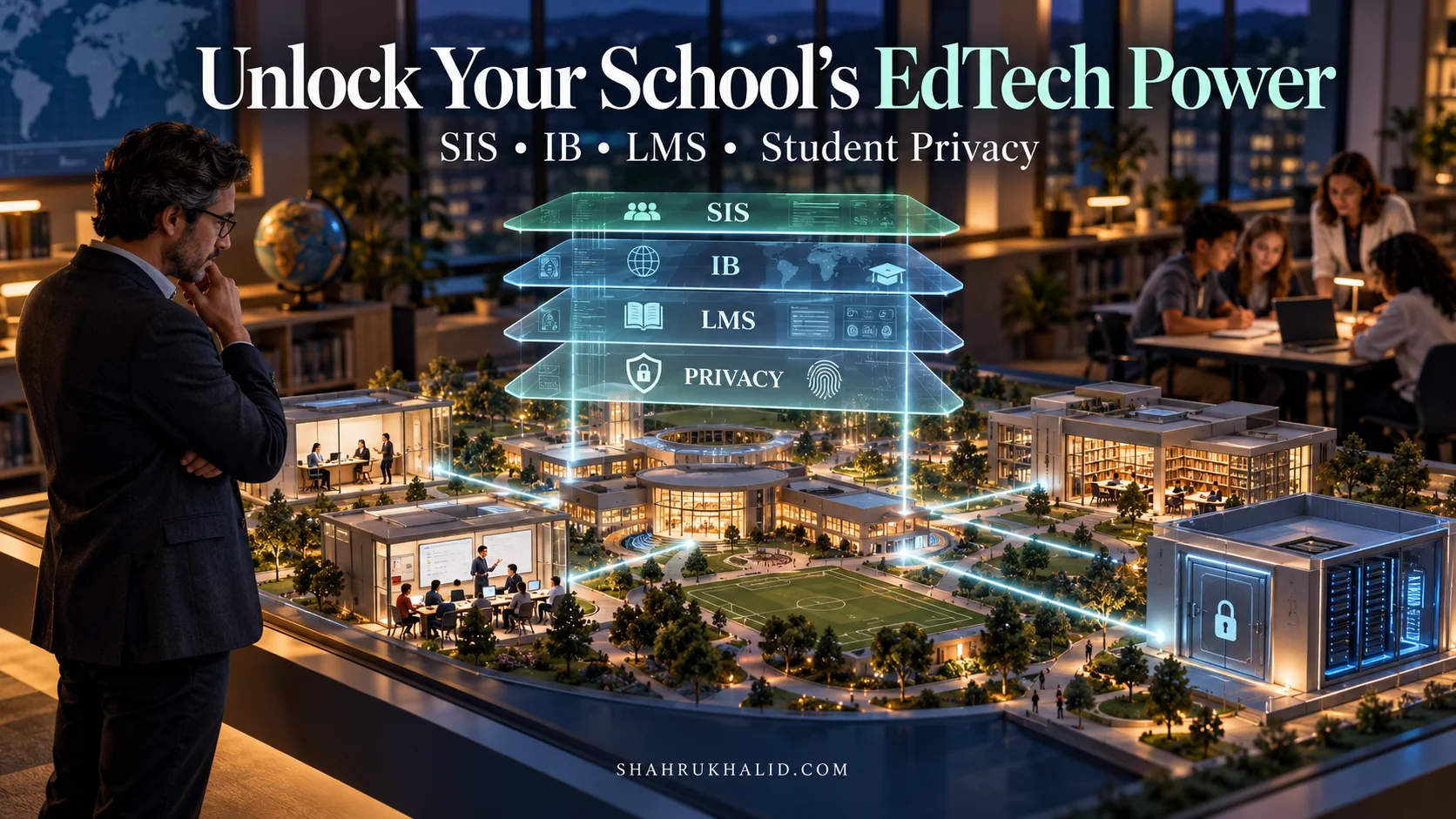
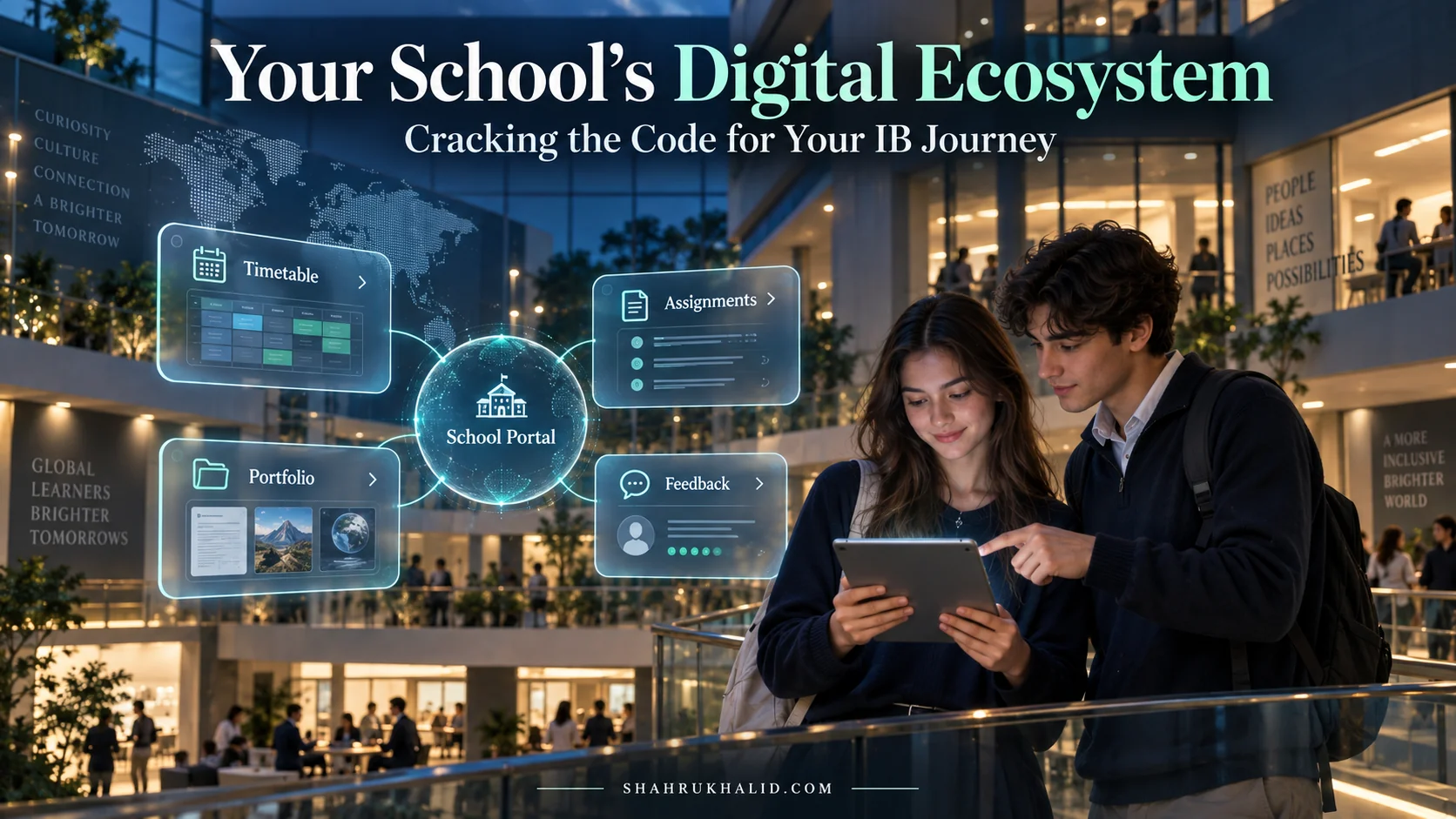
So, what exactly is a digital ecosystem for international IB schools? Imagine your school as a vibrant, interconnected city. Each building, each road, each park serves a unique purpose, but they all work together to create a thriving community. A digital ecosystem is much the same: it’s a thoughtfully designed, interconnected network of digital tools, platforms, and resources that seamlessly support every aspect of teaching, learning, and administration within an IB school. It’s about making sure that from a PYP student’s first inquiry to a DP student’s final extended essay, technology isn’t just present, but purposeful, enhancing every learning outcome.
###
Comprehensive Foundations & Concept Primer
Welcome, future EdTech leaders! I’m Mahnoor, and I’ve spent years researching how technology can truly transform learning, especially within the unique, inquiry-driven world of the International Baccalaureate. Today, we’re not just talking about software; we’re talking about building a digital heart for your school that beats in rhythm with the IB philosophy. By 2026, simply having a few digital tools won’t cut it. We need a cohesive, dynamic International Schools IB Digital Ecosystem.
###
Understanding the Digital Ecosystem: More Than Just Apps
Let’s start with a simple analogy. Think of a natural ecosystem – a forest, for instance. It’s not just a collection of trees. It’s a complex web of plants, animals, soil, water, and sunlight, all interacting and depending on each other. If one part thrives, it often benefits others. If one part struggles, the whole system can be affected.
Now, apply that to your school. Your digital ecosystem isn’t just your learning management system (LMS) or your video conferencing tool. It’s the interconnectedness of all your digital resources: your student information system, your assessment platforms, your communication tools, your digital libraries, your collaborative spaces, and even the devices your students and teachers use. The goal is for these components to “talk” to each other, sharing information and creating a smooth, intuitive experience for everyone. This is how we move beyond isolated digital tools to a truly integrated International Schools IB Digital Ecosystem.
###
Why This Is Essential for IB Success in 2026
The IB program, with its emphasis on inquiry, critical thinking, global citizenship, and holistic development, is perfectly poised to leverage a well-designed digital ecosystem. By 2026, the global educational landscape will demand even greater agility, personalization, and access.
- Personalized Learning Journeys: Imagine a student struggling with a specific concept in DP Physics. Their digital ecosystem could automatically suggest supplementary resources, connect them with a peer mentor, or even offer AI-powered feedback on their practice problems. This level of personalization is incredibly difficult without integrated systems.
- Enhanced Inquiry and Collaboration: The IB thrives on inquiry. A robust digital ecosystem provides students with access to vast digital libraries, research databases, and collaborative platforms that transcend classroom walls. They can work on group projects with peers across continents, share findings instantly, and co-create knowledge in ways previously unimaginable.
- Streamlined Assessment and Feedback: From formative assessments in PYP to summative assessments in DP, technology can revolutionize how feedback is given and received. Digital portfolios, online rubrics, and automated feedback tools can provide timely, actionable insights, allowing students to reflect and improve continuously – a core tenet of the IB Learner Profile.
- Global Connectivity and Cultural Understanding: International schools inherently foster global perspectives. A digital ecosystem can amplify this by connecting students with classrooms worldwide, facilitating virtual exchanges, and providing access to diverse cultural resources, truly embodying the IB’s mission.
- Future-Proofing Your School: The pace of technological change is relentless. Building a thoughtful ecosystem means you’re not just reacting to new trends but proactively designing a flexible, scalable infrastructure that can adapt to future innovations, ensuring your school remains at the forefront of educational excellence.
###
Core Principles: The Pillars of Your Digital Ecosystem
As we embark on this journey, let’s establish some foundational principles. These aren’t just buzzwords; they are the guiding stars for every decision you’ll make:
- Interoperability: This is a fancy word for saying your tools should “play nicely” together. Imagine trying to build with LEGOs if none of the bricks fit. Frustrating, right? Interoperability means your student data from one system can easily flow into another, reducing manual entry and ensuring a holistic view of each student.
- User-Centric Design: Every component of your ecosystem must be designed with the end-user in mind – students, teachers, parents, and administrators. Is it intuitive? Is it easy to learn? Does it solve a real problem for them? If not, it won’t be adopted.
- Data Security & Privacy: In an increasingly digital world, protecting sensitive student and school data is paramount. Your ecosystem must be built on secure foundations, adhering to global data protection regulations like GDPR. This isn’t just a technical requirement; it’s a trust imperative.
- Scalability & Flexibility: Your school will grow, and technology will evolve. Your ecosystem needs to be able to expand to accommodate more users and integrate new tools without requiring a complete overhaul every few years.
- Pedagogical Alignment: This is crucial for IB schools. Every digital tool and platform must directly support the IB’s pedagogical principles – inquiry-based learning, conceptual understanding, global contexts, and the Learner Profile. Technology should serve pedagogy, not the other way around.
By embracing these principles, we’re not just building a collection of tools; we’re crafting a strategic asset that will drive your school’s mission forward.
###
Prerequisites & Complete Environment Setup
Alright, now that we understand the ‘why,’ let’s roll up our sleeves and talk about the ‘how.’ Before we even think about specific software, we need to lay a solid foundation. Think of this as preparing the ground before planting a garden. You wouldn’t just scatter seeds anywhere, would you? You’d test the soil, ensure proper drainage, and plan your layout. This module is about that crucial planning and conceptual setup for your International Schools IB Digital Ecosystem.
###
Assessing Your Current Digital Landscape: A Digital Health Check
Before you can build something new, you need to understand what you already have. Many schools jump straight to buying new tools, only to find they already have something similar, or that the new tool clashes with existing systems.
Step 1: Inventory Your Current Tools.
Grab a pen and paper, or open a spreadsheet. List every single digital tool, platform, and system currently used in your school. Don’t forget the obscure ones!
- Learning Management System (LMS): (e.g., ManageBac, Canvas, Google Classroom, Moodle)
- Student Information System (SIS): (e.g., Blackbaud, PowerSchool, OpenApply)
- Communication Platforms: (e.g., Email, Slack, Microsoft Teams, school-specific apps)
- Assessment Tools: (e.g., Turnitin, Exam.net, specific subject software)
- Collaboration Tools: (e.g., Google Workspace, Microsoft 365, Miro)
- Digital Libraries/Resource Hubs: (e.g., Follett Destiny, specific databases)
- Device Management: (e.g., Jamf, Google Admin Console)
- Any specialized subject software: (e.g., design software, science simulations)
Step 2: Evaluate Each Tool's Effectiveness and Integration.
For each item on your list, ask:
- Is it widely used and effective? (Be honest!)
- Does it align with IB pedagogy?
- Does it integrate with other tools? (e.g., Does your LMS talk to your SIS?)
- What are its strengths and weaknesses?
- Is it secure and compliant with data privacy regulations?
This “digital health check” will reveal your strengths, your redundancies, and your critical gaps. You might find you have three different communication tools, causing confusion, or that your SIS doesn’t connect to anything, creating data silos.
###
Defining Your Vision & Strategic Goals for 2026
With your current landscape understood, it’s time to dream big, but strategically. What do you want your International Schools IB Digital Ecosystem to achieve by 2026? This isn’t just about technology; it’s about educational outcomes.
- Student-Centric Goals:
- Example: “By 2026, every student will have a personalized learning dashboard that tracks their progress across all IB subjects and provides tailored resources.”
- Example: “Students will seamlessly collaborate on interdisciplinary IB projects using integrated digital workspaces, regardless of their physical location.”
- Teacher-Centric Goals:
- Example: “Teachers will spend 20% less time on administrative tasks due to automated data flow between systems, allowing more time for pedagogical innovation.”
- Example: “Teachers will have access to real-time, actionable insights into student learning, enabling differentiated instruction and timely interventions.”
- School-Wide Goals:
- Example: “Our digital ecosystem will foster a stronger sense of community by providing intuitive communication channels for students, teachers, and parents.”
- Example: “The school’s data privacy and security protocols will be robust and transparent, building trust within our community.”
These goals will act as your compass, guiding every decision about tool selection, integration, and implementation.
###
Establishing Foundational Principles & Policies
Before you start configuring anything, you need to establish the rules of the road. These are your “environment configuration” settings at a strategic level.
- Data Governance Policy: Who owns the data? How is it collected, stored, accessed, and used? What are the retention policies? This is complex but vital. Consider how you’ll comply with regulations like GDPR or local equivalents.
- Interoperability Standards: Decide on the technical standards your tools must adhere to. This might involve using APIs (Application Programming Interfaces – basically, a set of rules that allows different software programs to talk to each other) or specific data formats. This is where platforms like Google’s developer documentation (ai.google.dev/docs) can offer insights into how major tech players approach integration and data handling, even if you’re not building your own AI.
- User Access & Permissions: Clearly define roles and permissions for different users (students, teachers, parents, admin). Who can see what? Who can edit what? This ensures security and prevents accidental data breaches.
- Professional Development Strategy: Technology is only as good as the people using it. A robust, ongoing professional development plan for teachers and staff is not an afterthought; it’s a prerequisite. How will you ensure everyone is comfortable and proficient with the new tools?
- Change Management Plan: Introducing new technology can be met with resistance. How will you communicate changes, involve stakeholders, and support users through the transition? This is about empathy and clear communication.
By meticulously working through these prerequisites, you’re not just setting up an environment; you’re building a resilient, future-ready framework for your International Schools IB Digital Ecosystem. This strategic groundwork is often overlooked, but it’s the secret sauce to long-term success.
###
Core Implementation Architecture & Workflow Blueprint
Now that we’ve laid the strategic groundwork, it’s time to visualize how all the pieces of our International Schools IB Digital Ecosystem will fit together. Think of this module as drawing the blueprint for a magnificent building. We’re not pouring concrete yet, but we’re sketching out where the walls, rooms, and connections will be, ensuring everything flows logically and efficiently.
###
The Hub-and-Spoke Model: Your Ecosystem’s Central Nervous System
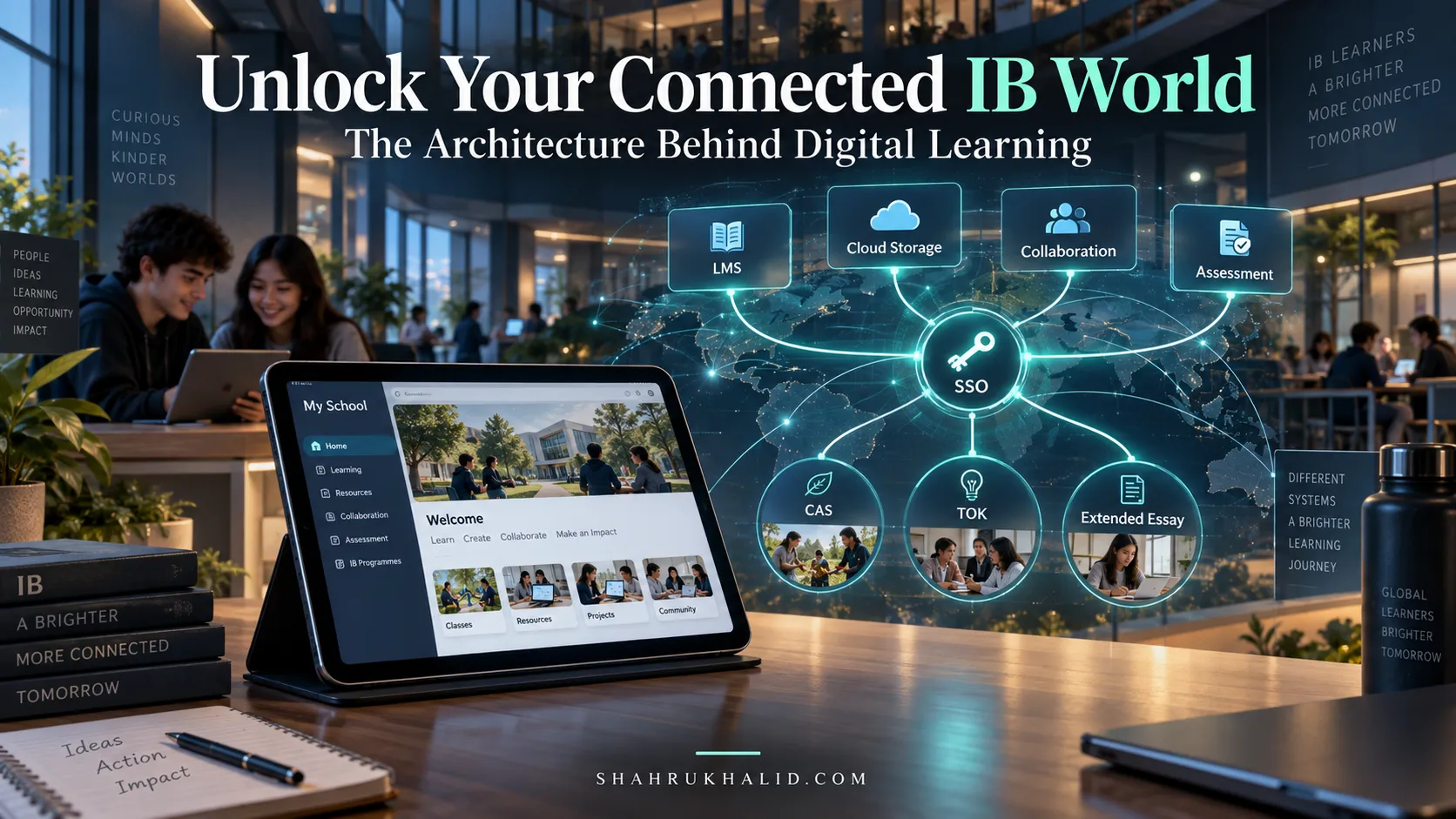
For most international IB schools, a “hub-and-spoke” model proves incredibly effective. Imagine a bicycle wheel: the central hub is your core platform, and the spokes are all the other specialized tools that connect to it.
- The Hub (Your Core LMS/SIS): This is often your Learning Management System (LMS) or your Student Information System (SIS), or sometimes a tightly integrated combination of both. This platform acts as the central repository for student data, grades, attendance, course content, and communication. For IB schools, an LMS that natively supports IB program structures (PYP, MYP, DP, CP units, assessments, ATL skills) is a huge advantage.
- The Spokes (Specialized Tools): These are the best-of-breed tools that excel in specific functions and integrate with your hub.
- Communication: Email, school apps, video conferencing.
- Collaboration: Google Workspace, Microsoft 365, Miro.
- Assessment: Turnitin, online exam platforms, digital portfolios.
- Content Creation: Interactive whiteboards, multimedia tools.
- Library & Research: Digital databases, e-book platforms.
- Wellbeing & Counseling: Dedicated platforms for student support.
The key here is that the spokes connect to the hub, minimizing data entry and ensuring a unified experience.
###
Workflow Blueprint: A Student’s Journey Through the Ecosystem
Let’s walk through a typical student’s journey to illustrate how these components interact. Imagine a DP student, Maya, working on her Extended Essay.
Visual Card Structure: Maya's Extended Essay Journey
| Stage | Digital Ecosystem Component | How it Supports Maya & IB | Integration Point |
| :——– | :—————————— | :—————————————————————————————————————————————————————————————————————————————————————————————————————————————————————————————————————————————————————————————————————————————————————————————————————————————————————————————————————————————————————————————————————————————————————————————————————————————————————————————————————————————————————————————————————————————————————————————————————————————————————————————————————————————————————————————————————————————————————————————————————————————————————————————————————————————————————————————————————————————————————————————————————————————————————————————————————————————————————————————————————————————————————————————————————————————————————————————————————————————————————————————————————————————————————————————————————————————————————————————————————————————————————————————————————————————————————————————————————————————————————————————————————————————————————————————————————————————————————————————————————————————————————————————————————————————————————————————————————————————————————————————————————————————————————————————————————————————————————————————————————————————————————————————————————————————————————————————————————————————————————————————————————————————————————————————————————————————————————————————————————————————————————————————————————————————————————————————————————————————————————————————————————————————————————————————————————————————————————————————————————————————————————————————————————————————————————————————————————————————————————————————————————————————————————————————————————————————————————————————————————————————————————————————————————————————————————————————————————————————————————————————————————————————————————————————————————————————————————————————————————————————————————————————————————————————————————————————————————————————————————————————————————————————————————————————————————————————————————————————————————————————————————————————————————————————————————————————————————————————————————————————————————————————————————————————————————————————————————————————————————————————————————————————————————————————————————————————————————————————————————————————————————————————————————————————————————————————————————————————————————————————————————————————————————————————————————————————————————————————————————————————————————————————————————————————————————————————————————————————————————————————————————————————————————————————————————————————————————————————————————————————————————————————————————————————————————————————————————————————————————————————————————————————————————————————————————————————————————————————————————————————————————————————————————————————————————————————————————————————————————————————————————————————————————————————————————————————————————————————————————————————————————————————————————————————————————————————————————————————————————————————————————————————————————————————————————————————————————————————————————————————————————————————————————————————————————————————————————————————————————————————————————————————————————————————————————————————————————————————————————————————————————————————————————————————————————————————————————————————————————————————————————————————————————————————————————————————————————————————————————————————————————————————————————————————————————————————————————————————————————————————————————————————————————————————————————————————————————————————————————————————————————————————————————————————————————————————————————————————————————————————————————————————————————————————————————————————————————————————————————————————————————————————————————————————————————————————————————————————————————————————————————————————————————————————————————————————————————————————————————————————————————————————————————————————————————————————————————————————————————————————————————————————————————————————————————————————————————————————————————————————————————————————————————————————————————————————————————————————————————————————————————————————————————————————————————————————————————————————————————————————————————————————————————————————————————————————————————————————————————————————————————————————————————————————————————————————————————————————————————————————————————————————————————————————————————————————————————————————————————————————————————————————————————————————————————————————————————————————————————————————————————————————————————————————————————————————————————————————————————————————————————————————————————————————————————————————————————————————————————————————————————————————————————————————————————————————————————————————————————————————————————————————————————————————————————————————————————————————————————————————————————————————————————————————————————————————————————————————————————————————————————————————————————————————————————————————————————————————————————————————————————————————————————————————————————————————————————————————————————————————————————————————————————————————————————————————————————————————————————————————————————————————————————————————————————————————————————————————————————————————————————————————————————————————————————————————————————————————————————————————————————————————————————————————————————————————————————————————————————————————————————————————————————————————————————————————————————————————————————————————————————————————————————————————————————————————————————————————————————————————————————————————————————————————————————————————————————————————————————————————————————————————————————————————————————————————————————————————————————————————————————————————————————————————————————————————————————————————————————————————————————————————————————————————————————————————————————————————————————————————————————————————————————————————————————————————————————————————————————————————————————————————————————————————————————————————————————————————————————————————————————————————————————————————————————————————————————————————————————————————————————————————————————————————————————————————————————————————————————————————————————————————————————————————————————————————————————————————————————————————————————————————————————————————————————————————————————————————————————————————————————————————————————————————————————————————————————————————————————————————————————————————————————————————————————————————————————————————————————————————————————————————————————————————————————————————————————————————————————————————————————————————————————————————————————————————————————————————————————————————————————————————————————————————————————————————————————————————————————————————————————————————————————————————————————————————————————————————————————————————————————————————————————————————————————————————————————————————————————————————————————————————————————————————————————————————————————————————————————————————————————————————————————————————————————————————————————————————————————————————————————————————————————————————————————————————————————————————————————————————————————————————————————————————————————————————————————————————————————————————————————————————————————————————————————————————————————————————————————————————————————————————————————————————————————————————————————————————————————————————————————————————————————————————————————————————————————————————————————————————————————————————————————————————————————————————————————————————————————————————————————————————————————————————————————————————————————————————————————————————————————————————————————————————————————————————————————————————————————————————————————————————————————————————————————————————————————————————————————————————————————————————————————————————————————————————————————————————————————————————————————————————————————————————————————————————————————————————————————————————————————————————————————————————————————————————————————————————————————————————————————————————————————————————————————————————————————————————————————————————————————————————————————————————————————————————————————————————————————————————————————————————————————————————————————————————————————————————————————————————————————————————————————————————————————————————————————————————————————————————————————————————————————————————————————————————————————————————————————————————————————————————————————————————————————————————————————————————————————————————————————————————————————————————————————————————————————————————————————————————————————————————————————————————————————————————————————————————————————————————————————————————————————————————————————————————————————————————————————————————————————————————————————————————————————————————————————————————————————————————————————————————————————————————————————————————————————————————————————————————————————————————————————————————————————————————————————————————————————————————————————————————————————————————————————————————————————————————————————————————————————————————————————————————————————————————————————————————————————————————————————————————————————————————————————————————————————————————————————————————————————————————————————————————————————————————————————————————————————————————————————————————————————————————————————————————————————————————————————————————————————————————————————————————————————————————————————————————————————————————————————————————————————————————————————————————————————————————————————————————————————————————————————————————————————————————————————————————————————————————————————————————————————————————————————————————————————————————————————————————————————————————————————————————————————————————————————————————————————————————————————————————————————————————————————————————————————————————————————————————————————————————————————————————————————————————————————————————————————————————————————————————————————————————————————————————————————————————————————————————————————————————————————————————————————————————————————————————————————————————————————————————————————————————————————————————————————————————————————————————————————————————————————————————————————————————————————————————————————————————————————————————————————————————————————————————————————————————————————————————————————————————————————————————————————————————————————————————————————————————————————————————————————————————————————————————————————————————————————————————————————————————————————————————————————————————————————————————————————————————————————————————————————————————————————————————————————————————————————————————————————————————————————————————————————————————————————————————————————————————————————————————————————————————————————————————————————————————————————————————————————————————————————————————————————————————————————————————————————————————————————————————————————————————————————————————————————————————————————————————————————————————————————————————————————————————————————————————————————————————————————————————————————————————————————————————————————————————————————————————————————————————————————————————————————————————————————————————————————————————————————————————————————————————————————————————————————————————————————————————————————————————————————————————————————————————————————————————————————————————————————————————————————————————————————————————————————————————————————————————————————————————————————————————————————————————————————————————————————————————————————————————————————————————————————————————————————————————————————————————————————————————————————————————————————————————————————————————————————————————————————————————————————————————————————————————————————————————————————————————————————————————————————————————————————————————————————————————————————————————————————————————————————————————————————————————————————————————————————————————————————————————————————————————————————————————————————————————————————————————————————————————————————————————————————————————————————————————————————————————————————————————————————————————————————————————————————————————————————————————————————————————————————————————————————————————————————————————————————————————————————————————————————————————————————————————————————————————————————————————————————————————————————————————————————————————————————————————————————————————————————————————————————————————————————————————————————————————————————————————————————————————————————————————————————————————————————————————————————————————————————————————————————————————————————————————————————————————————————————————————————————————————————————————————————————————————————————————————————————————————————————————————————————————————————————————————————————————————————————————————————————————————————————————————————————————————————————————————————————————————————————————————————————————————————————————————————————————————————————————————————————————————————————————————————————————————————————————————————————————————————————————————————————————————————————————————————————————————————————————————————————————————————————————————————————————————————————————————————————————————————————————————————————————————————————————————————————————————————————————————————————————————————————————————————————————————————————————————————————————————————————————————————————————————————————————————————————————————————————————————————————————————————————————————————————————————————————————————————————————————————————————————————————————————————————————————————————————————————————————————————————————————————————————————————————————————————————————————————————————————————————————————————————————————————————————————————————————————————————————————————————————————————————————————————————————————————————————————————————————————————————————————————————————————————————————————————————————————————————————————————————————————————————————————————————————————————————————————————————————————————————————————————————————————————————————————————————————————————————————————————————————————————————————————————————————————————————————————————————————————————————————————————————————————————————————————————————————————————————————————————————————————————————————————————————————————————————————————————————————————————————————————————————————————————————————————————————————————————————————————————————————————————————————————————————————————————————————————————————————————————————————————————————————————————————————————————————————————————————————————————————————————————————————————————————————————————————————————————————————————————————————————————————————————————————————————————————————————————————————————————————————————————————————————————————————————————————————————————————————————————————————————————————————————————————————————————————————————————————————————————————————————————————————————————————————————————————————————————————————————————————————————————————————————————————————————————————————————————————————————————————————————————————————————————————————————————————————————————————————————————————————————————————————————————————————————————————————————————————————————————————————————————————————————————————————————————————————————————————————————————————————————————————————————————————————————————————————————————————————————————————————————————————————————————————————————————————————————————————————————————————————————————————————————————————————————————————————————————————————————————————————————————-