The End of the Homework Era: How My Students Traded Standardized Assignments for Personal AI Co-Pilots and Actually Started Learning
Key Takeaways
- The Death of the Worksheet: Why AI Co-Pilots Are Reclaiming the Classroom
- The Shift from Passive Submission to Active Synthesis
- Designing the AI-Augmented Learning Environment
- The Four Pillars of AI-Enhanced Pedagogy
- Overcoming the Fear of Academic Integrity
The Death of the Worksheet: Why AI Co-Pilots Are Reclaiming the Classroom
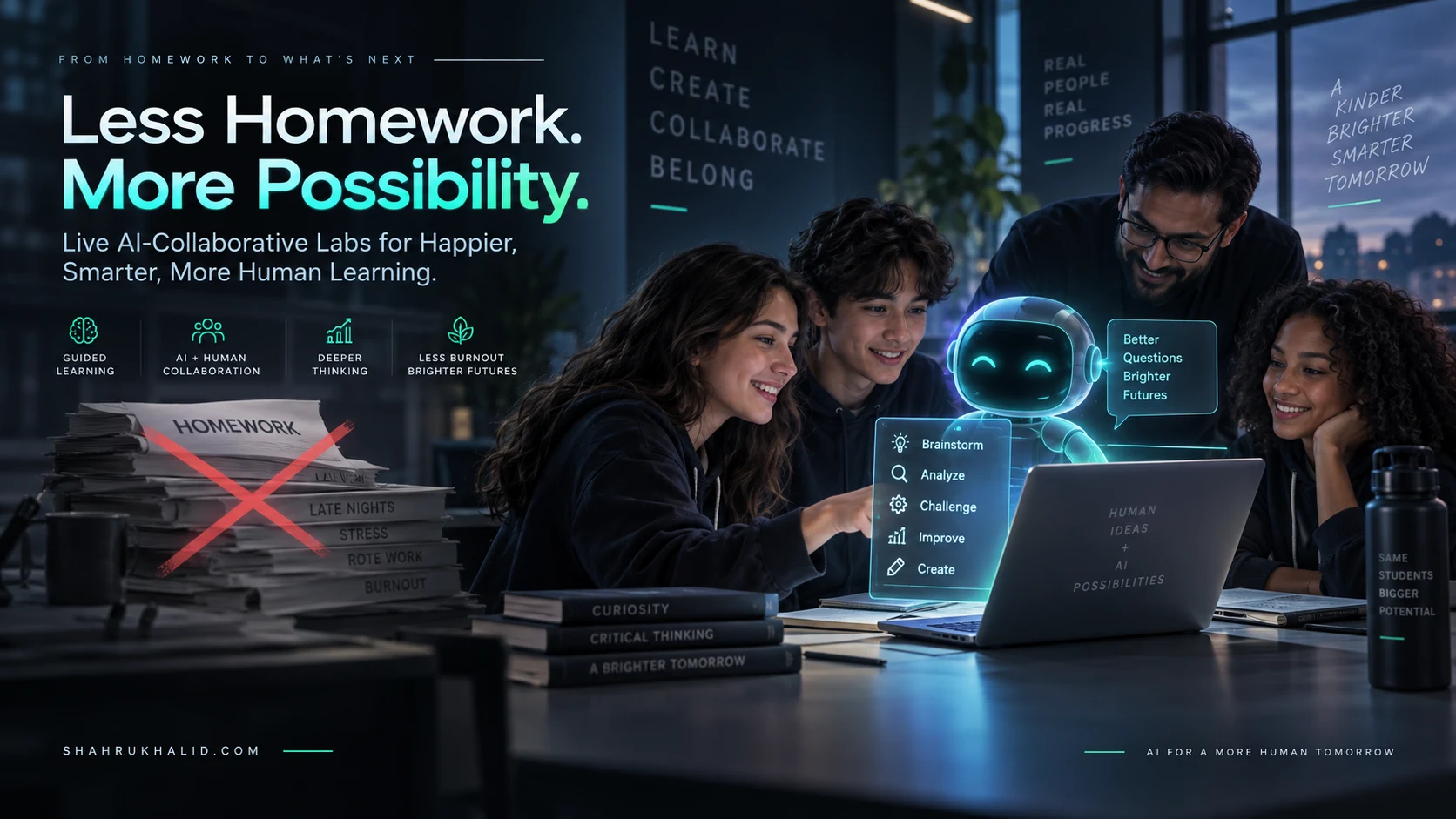
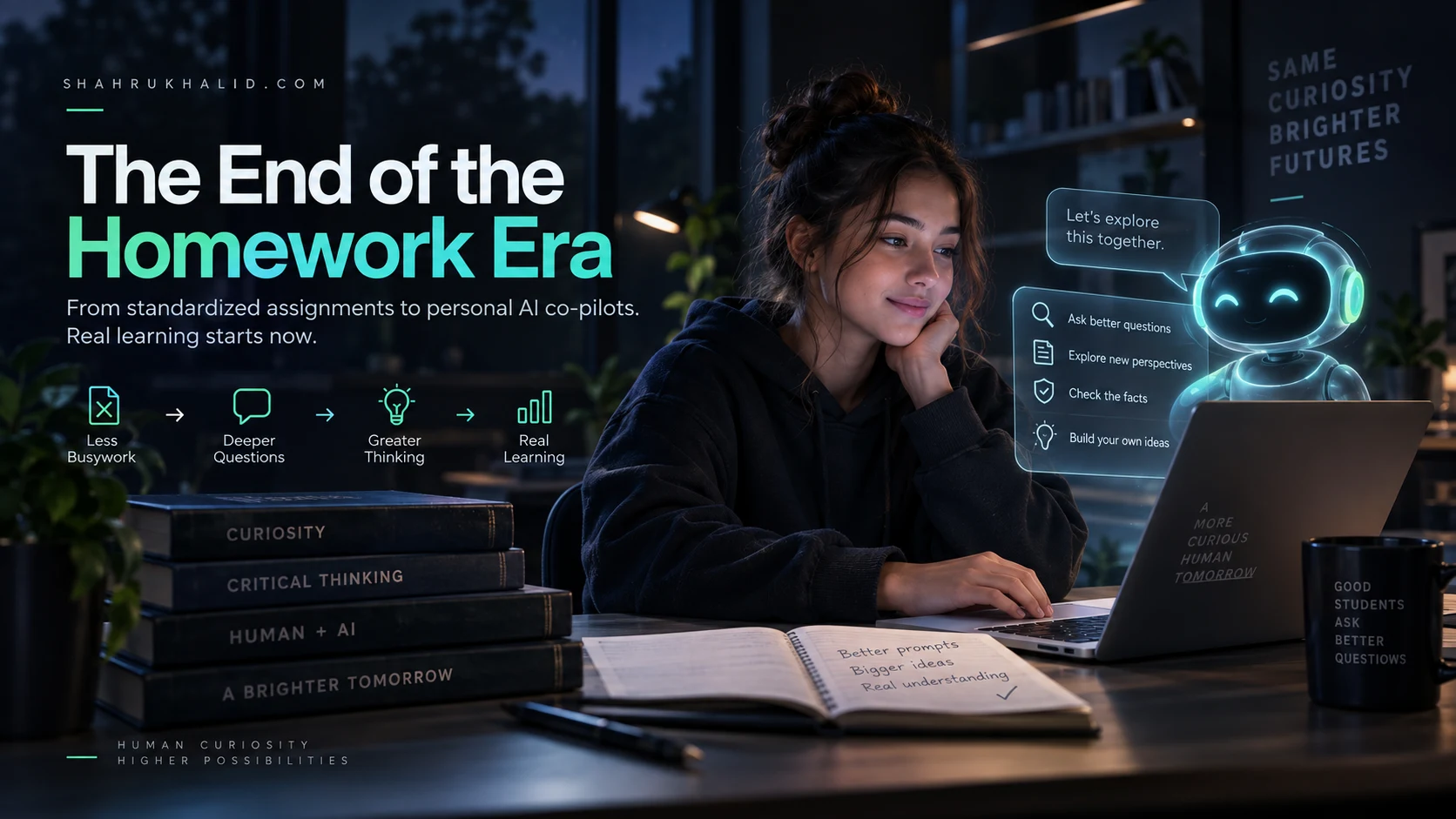
For decades, the standardized homework assignment has served as a blunt instrument of compliance rather than a scalpel for deep learning, but the arrival of generative AI has finally rendered this outdated model obsolete. By shifting our pedagogical focus from “assignment completion” to “co-pilot collaboration,” we aren’t just changing how students work; we are fundamentally restructuring the architecture of human intelligence in the digital age.
I remember sitting in my office as an EdTech Coordinator, staring at a stack of history essays that looked suspiciously uniform. It wasn’t just that they were uninspired; it was that they were perfectly polished, grammatically flawless, and entirely devoid of the student’s actual voice. When I confronted the class, the truth was simple: they weren’t cheating to get ahead; they were using AI to bypass a system that asked them to perform rote tasks that machines could do in seconds. That was the moment I realized the “Homework Era” was over. We weren’t dealing with a disciplinary crisis; we were dealing with a relevance crisis. If an assignment can be completed by a large language model in five seconds without the student learning anything, the assignment itself is the failure, not the student.
The Shift from Passive Submission to Active Synthesis
The traditional model of homework was built on the assumption of scarcity. In the past, information was locked in textbooks, and the teacher was the sole gatekeeper of knowledge. Students went home to “practice” what they had been told, effectively acting as data processors for the next day’s lecture. Today, information is ubiquitous. The challenge for the modern student is no longer acquisition; it is synthesis. When we introduce AI co-pilots into the learning flow, we move from a model of “I listen, then I do” to “I inquire, then I build.”
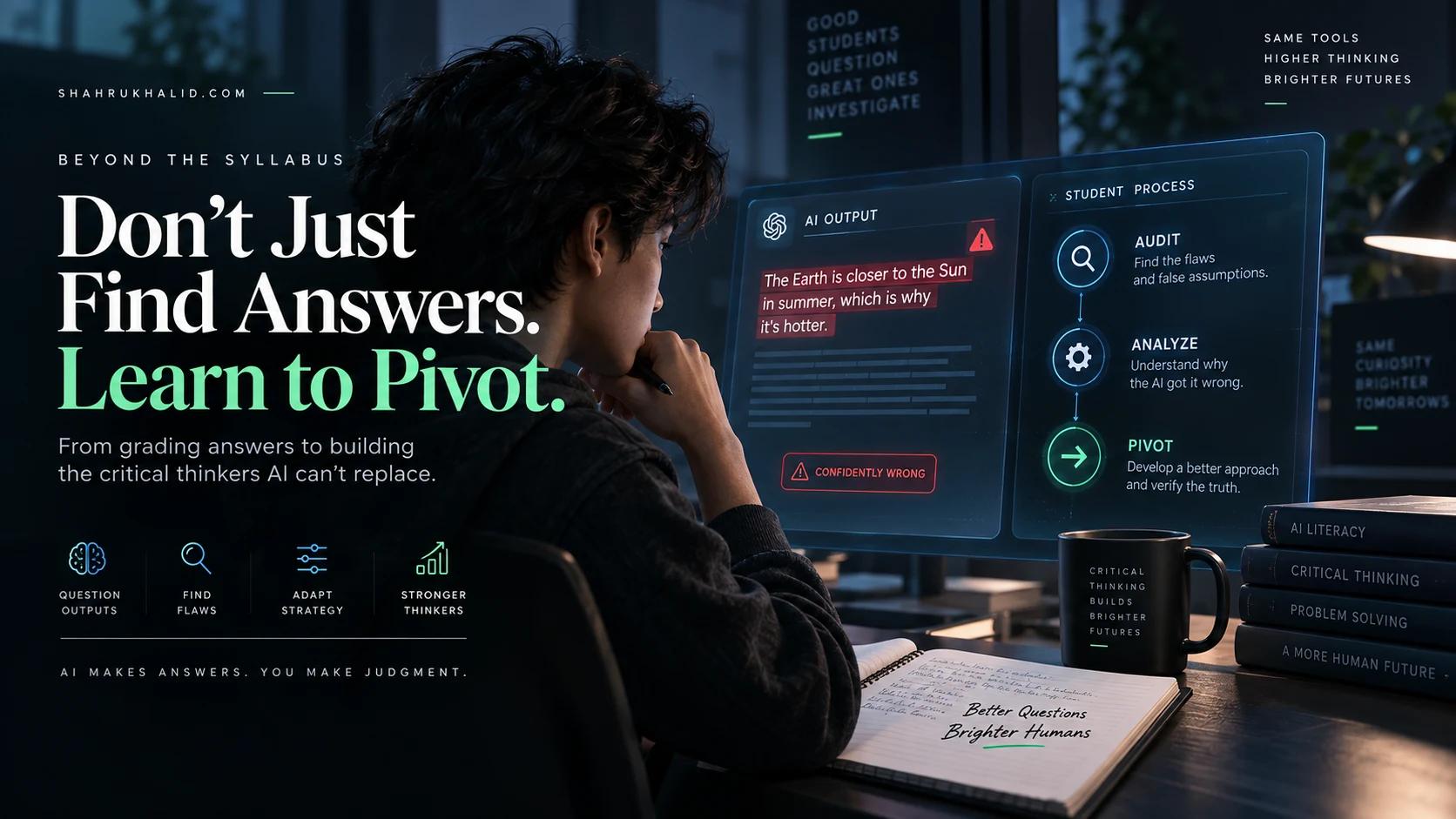
In my classrooms, we stopped assigning “write a summary of the Industrial Revolution.” Instead, we began assigning “use your AI co-pilot to construct a debate between an 18th-century textile mill owner and a modern environmental scientist.” This forces the student to become the architect of the conversation. They must prompt the AI, verify the historical accuracy of its claims, challenge its biases, and synthesize the conflicting perspectives into a coherent argument. The student is no longer a passive recipient of tasks; they are the manager of an intelligent system.
Designing the AI-Augmented Learning Environment
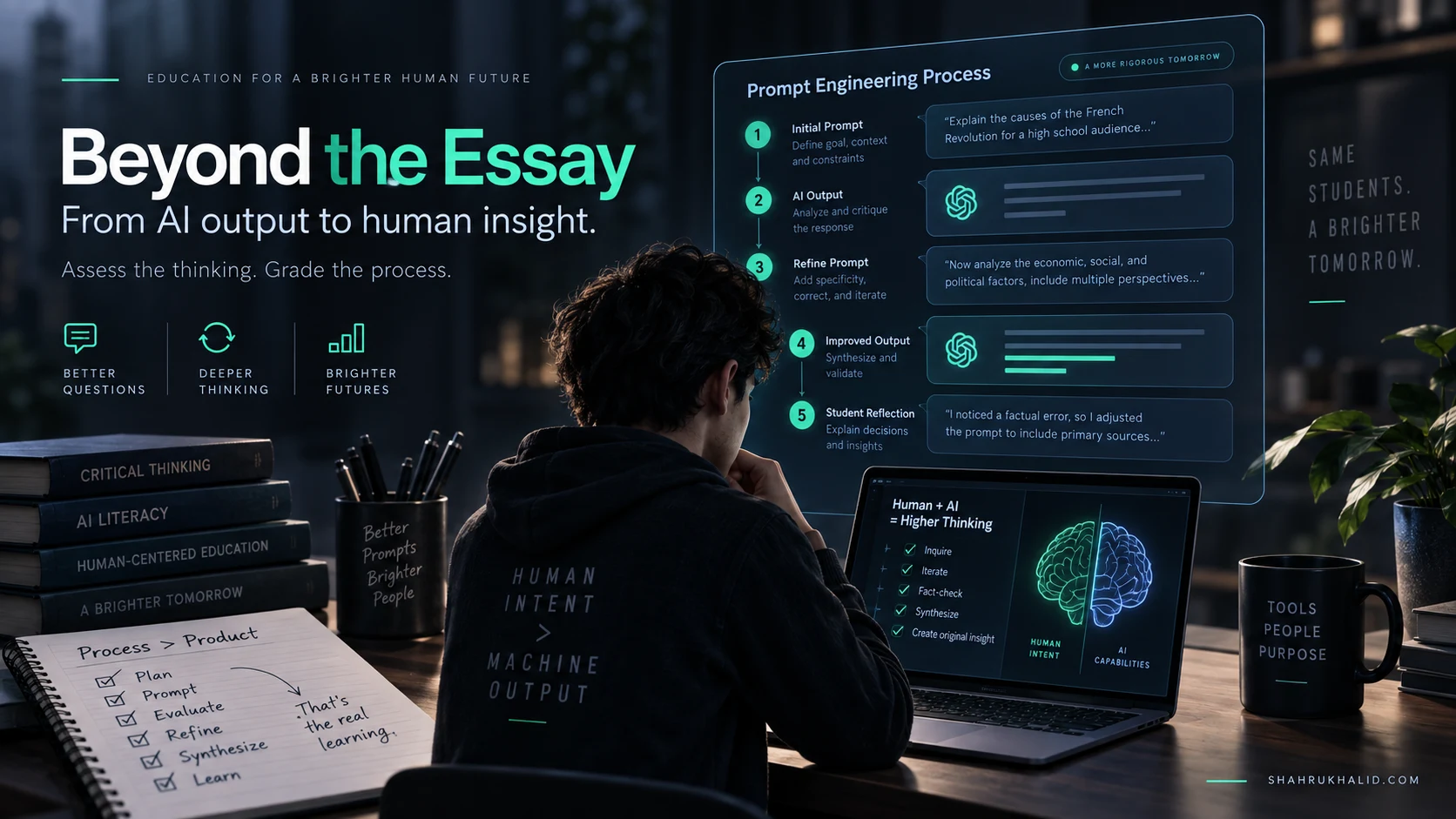
To successfully transition away from the homework era, we must rethink the digital infrastructure of our classrooms. It begins with the Learning Management System (LMS). Rather than using the LMS as a digital filing cabinet for PDF worksheets, we use it as a sandbox for collaborative inquiry. We encourage students to maintain a “Prompt Log”—a living document where they record not just the final output, but the iterative process of how they refined their inquiries to get better answers from their AI co-pilots.
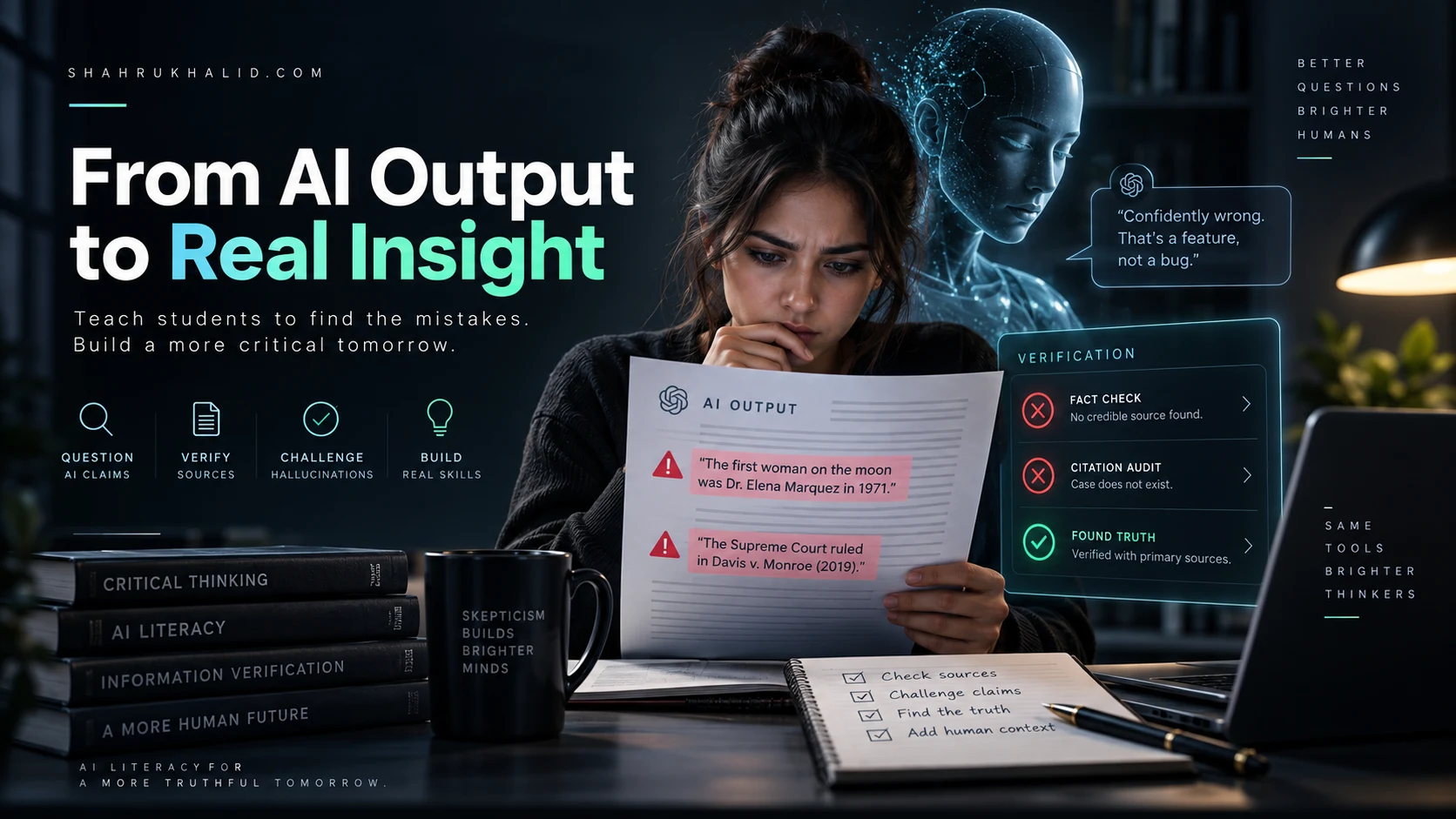
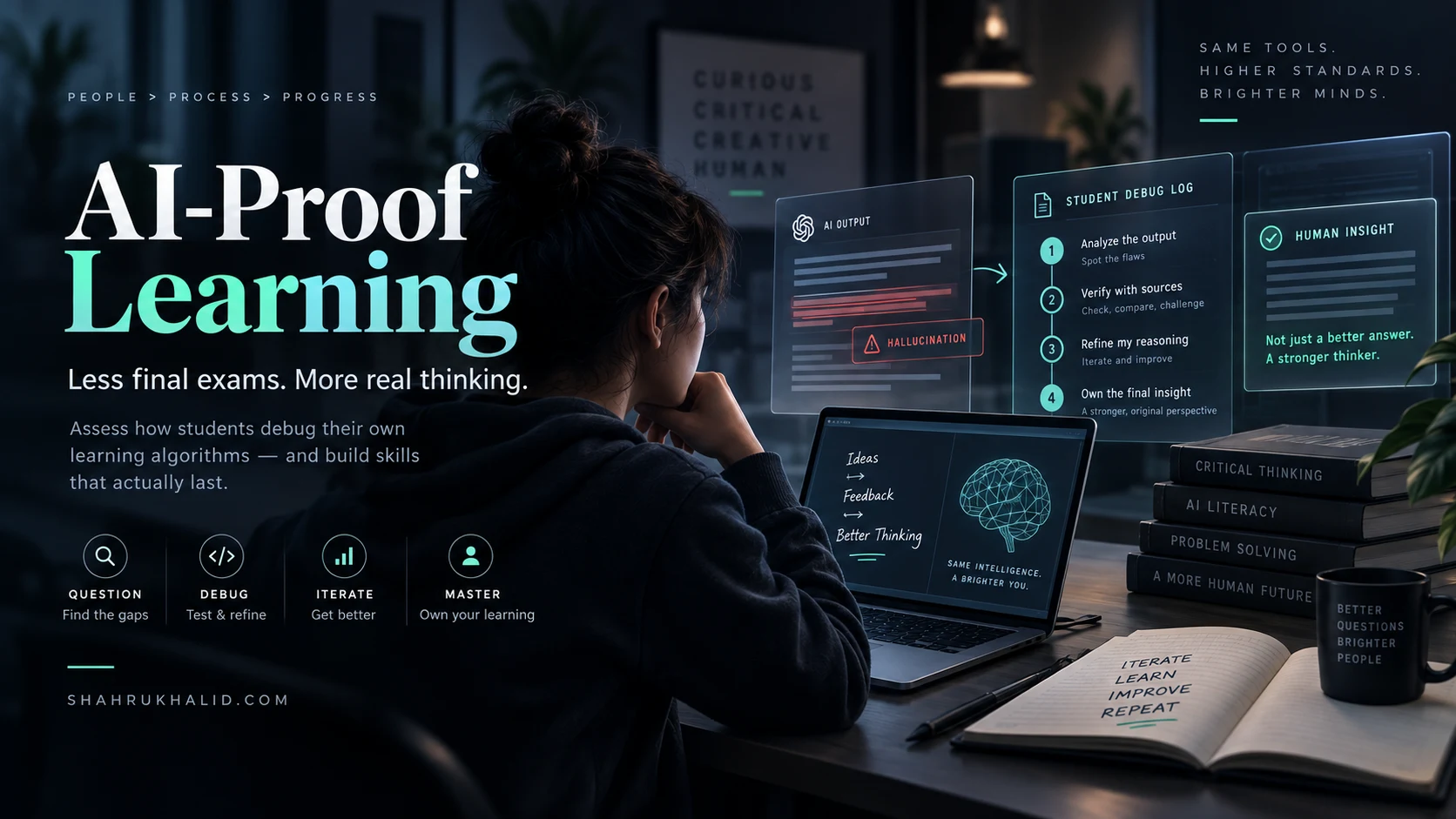
This process mirrors professional engineering workflows. Just as a software developer refines a query to get a specific output from a database, the student learns to refine their prompt to get a deeper insight from the AI. This is the new literacy: prompt engineering. It requires critical thinking, domain knowledge, and the ability to distinguish between a hallucinated fact and a verified truth. When students learn to “debug” their AI’s logic, they are actually learning to debug their own.
The Four Pillars of AI-Enhanced Pedagogy
Transitioning away from standardized assignments requires a new framework for evaluation. We shift our focus to these four pillars:
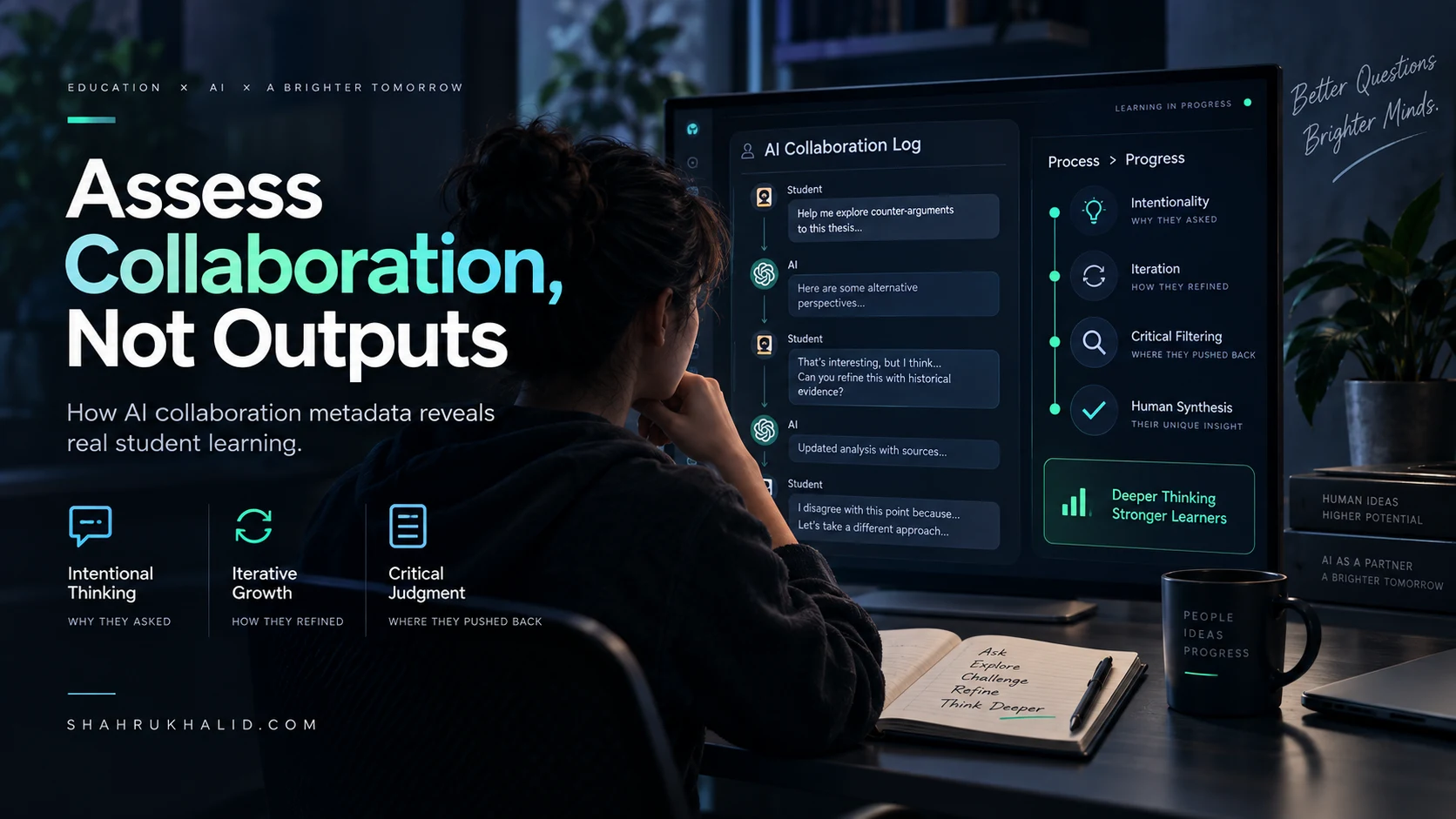
- Iterative Process Over Final Output: We grade the history of the conversation, not just the final essay. Did the student ask follow-up questions? Did they challenge the AI’s assumptions?
- Fact-Checking and Source Verification: Students are required to provide primary sources for every claim generated by their co-pilot, teaching them the vital skill of information literacy in an era of synthetic media.
- Cognitive Offloading vs. Cognitive Scaffolding: We teach students the difference between using AI to do the thinking for them (offloading) and using AI to provide a structure or a counter-perspective that helps them think more deeply (scaffolding).
- The “Human-in-the-Loop” Mandate: Every submission must include a reflection statement explaining how the student’s unique human insight shaped or corrected the AI’s output.
Overcoming the Fear of Academic Integrity
The biggest hurdle in abandoning the homework era is the fear that students will simply stop working. However, when we tie assignments to personal interest and real-world problem-solving, the “cheating” problem largely evaporates. Students don’t cheat when they are genuinely curious. They cheat when they are bored by busywork. By giving students agency over how they use their AI co-pilots, we turn the assignment into a personal project. When a student uses AI to help them understand complex calculus by explaining it through the lens of their favorite video game mechanics, they aren’t outsourcing their learning; they are contextualizing it.
As educators, our role shifts from being the “sage on the stage” to the “guide on the side.” We become mentors who help students navigate the ethics of AI, helping them understand that while an AI can generate a perfect summary, it cannot generate the passion, the nuance, or the lived experience that makes learning human. We are teaching them to partner with machines to expand their own capabilities, not to replace them.